Last Updated on October 11, 2018
The documentary film SUITS AND SAVAGES may have been produced more than ten years ago; but with the likes of India and the World Bank continuing to run roughshod over the needs and rights of Indigenous Peoples–in the name of conservation–the film could’ve made its debut yesterday.
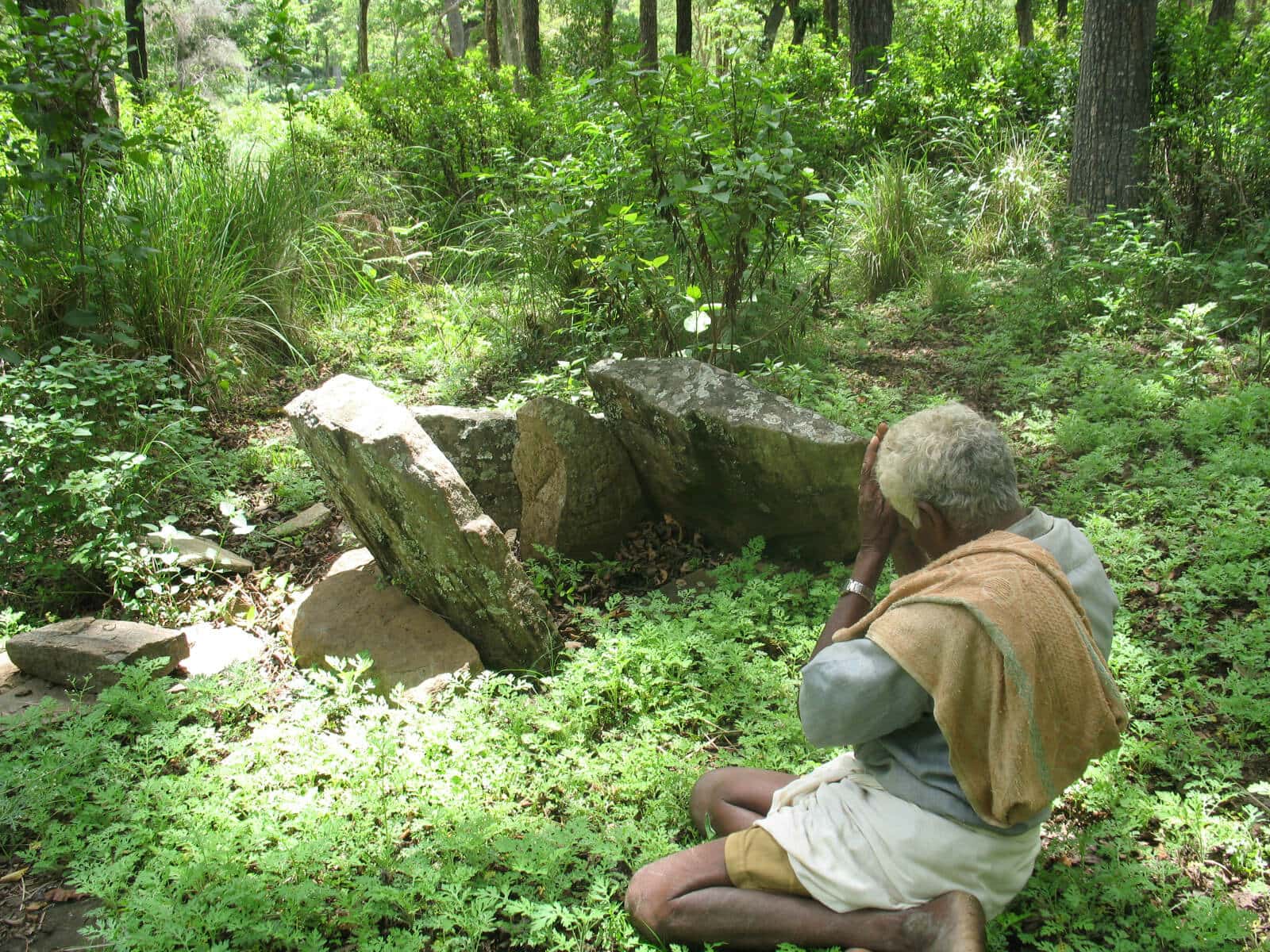
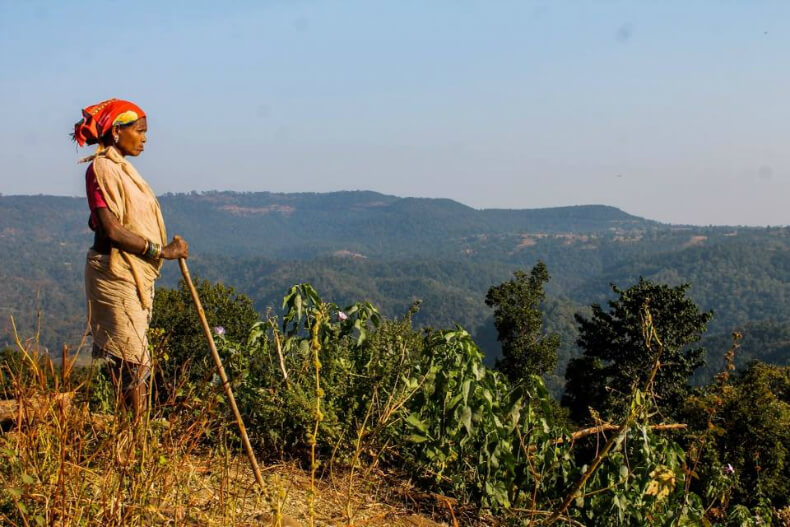
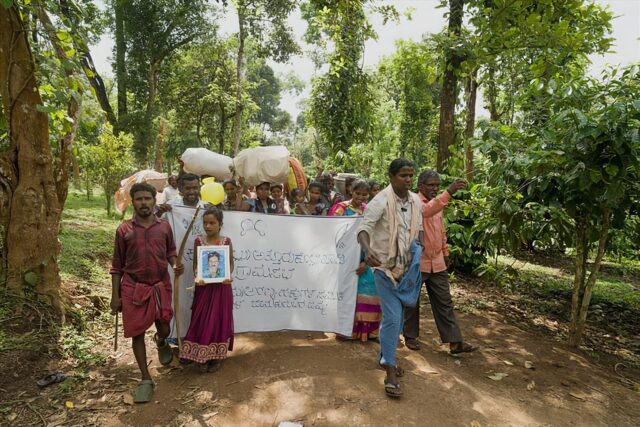
SUITS AND SAVAGES takes an up-close look at a Global Environment Facility/World Bank `ecodevelopment’ project – travelling between one remote tribe in South India and another, more powerful, in Washington DC. Spanning the gulf between their environments, the film features an emotional `video letter’ from forest dwellers to the World Bank, and a Bank economist’s response. The film pays special attention to a conservation project in the Nagarhole National Park, home to the endangered Bengal tiger, but also to several indigenous forest dwelling tribes who say they are being forced to leave the forest against their will, as an indirect result of the GEF/World Bank project.
Produced five years after SUITS AND SAVAGES, filmmaker and author Zoe Young returns to Nagarhole, Karnataka, South India, to explore the fate of the people, forest and World Bank/GEF-funded ‘India Ecodevelopment’ project. This film is included as an ‘extra’ on the new DVD of SUITS AND SAVAGES
Across the world right now, Indigenous peoples are facing a renewed assault on their lands, rights, and ways of life.
From extractive industries pushing deeper into ancestral territories, to governments rolling back hard-won protections,
the threat is global—and it is growing.
What makes this moment especially dangerous is how little attention it receives.
Stories like this are disappearing in real time. Mainstream media
barely covers it and the coverage is fragmented. The public is left without the context
needed to understand what is truly at stake.
That is exactly why IC Magazine exists..
For more than 20 years, IC has reported on Indigenous struggles worldwide — consistently, independently, and without compromise.
We don’t follow news cycles; we trace patterns. We don’t sensationalize; we provide context.
And when the world looks away, we stay focused.
But this work is increasingly difficult to sustain.
We refuse to lock our reporting behind a paywall. We don’t sell access through subscriptions.
And we don’t answer to advertisers. IC Magazine survives solely because readers like you choose to
support independent Indigenous journalism.
Please donate today if you can. Every contribution helps us to continue this crucial work.
Thank you,
John Ahni Schertow
Founder and Editor in Chief