Last Updated on April 10, 2025
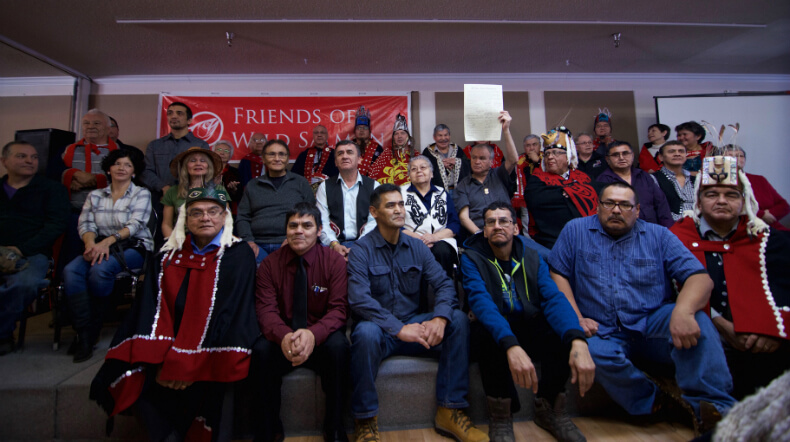
Prince Rupert, BC – The hereditary chiefs of Lelu Island have officially responded to a Prince Rupert Port Authority demand they halt construction.
Simoyget Yahaan (Donnie Wesley) and Gwishawaal (Ken Lawson), the Hereditary chiefs whose traditional territory include Lelu Island, responded with an open letter to Prime Minister Justin Trudeau. They also included Justice Minister Jody Wilson Raybould, Transport Minister Marc Garneau and local MP Nathan Cullen.
The letter asks Prime Minister Trudeau if he supports the port’s action, reminding him that Lelu Island is unceded territory, despite the port authority claiming jurisdiction over it. It also asks the Prime Minister if this is an example of his calls for a “renewed nation to nation relationship with Indigenous peoples”. The letter concludes with a demand that the port authority withdraw their letter, informing them that there are already plans for further development on Lelu Island for cultural spaces.
Hereditary Chief Yahaan (Donnie Wesley) of the Gitwilgyoots, stated, “What we’re building are permanent structures. Under Canadian law, our rights are protected to build whatever structure is needed to practice our Aboriginal rights and title”.
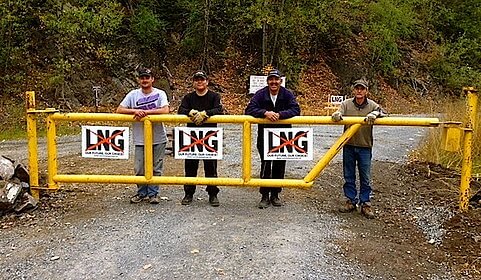
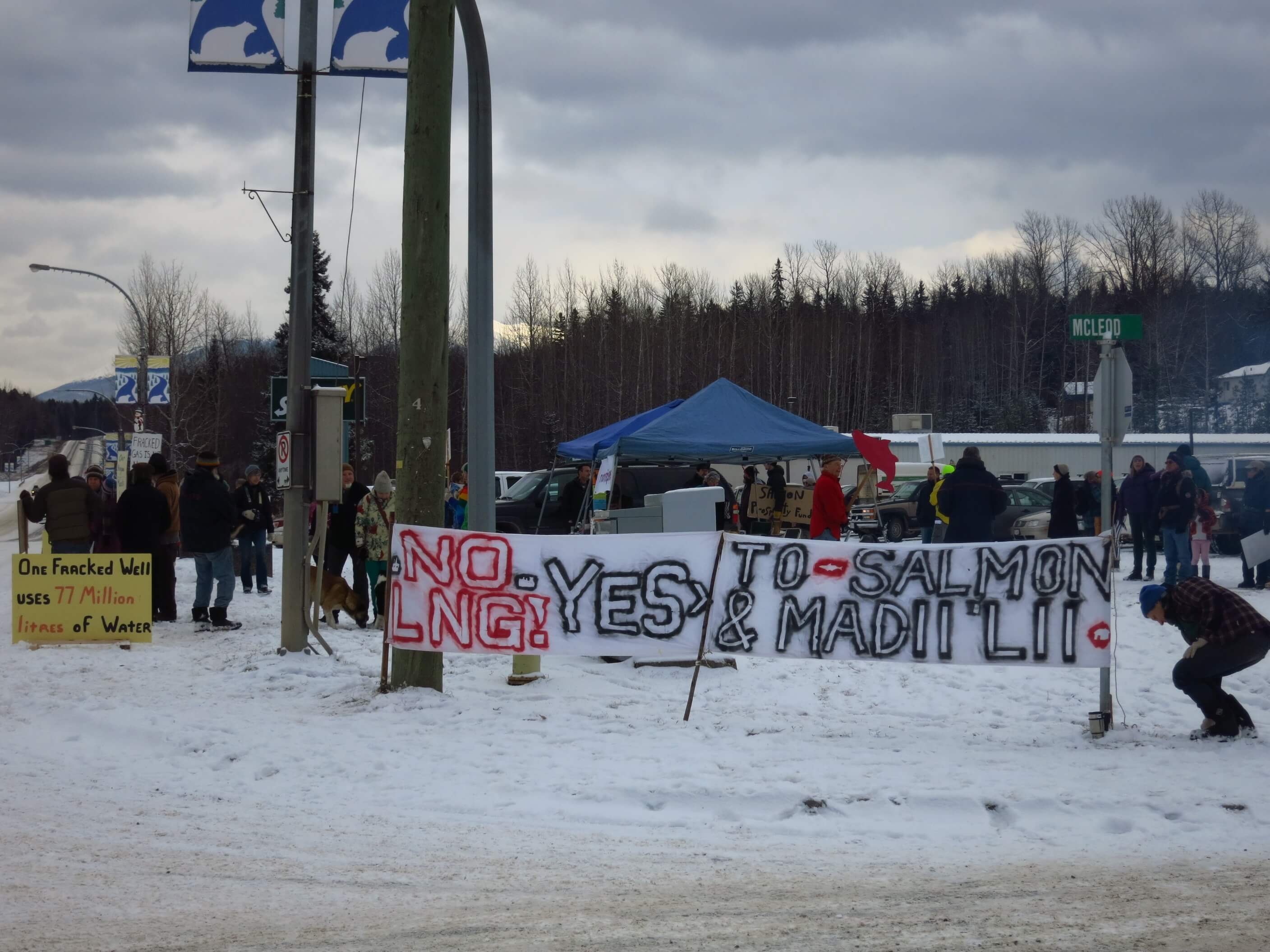
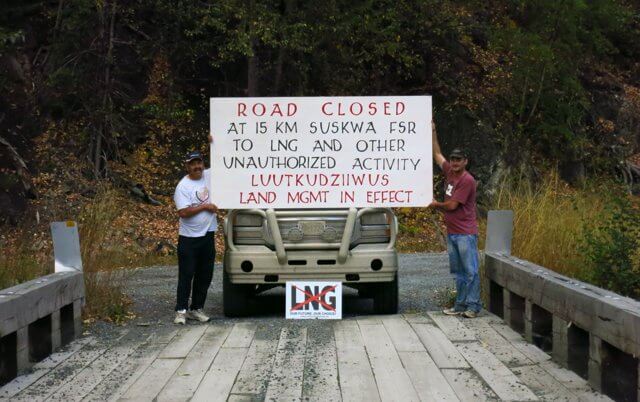
Since August 2015, members of the Gitwilgyoots Tribe, one of the Nine Allied Tribes of Lax Kw’alaams, have peacefully re-occupied their traditional territory of Lelu Island, to oppose Petronas’ controversial PNW LNG project.
To view the letter and response, click here: http://cfnrfm.ca/wp-content/uploads/2016/04/Lelu-Island-letter-to-Prime-Minister-Trudeau.pdf
For media contact:
Hereditary Chief Yahaan (Donald Wesley), Gitwilgyoots Tribe of the Lax Kw’alaams – 250 625 3359
Gwishawaal (Ken Lawson), Gitwilgyoots Tribe of the Lax Kw’alaams – 250 600-6643
Across the world right now, Indigenous peoples are facing a renewed assault on their lands, rights, and ways of life.
From extractive industries pushing deeper into ancestral territories, to governments rolling back hard-won protections,
the threat is global—and it is growing.
What makes this moment especially dangerous is how little attention it receives.
Stories like this are disappearing in real time. Mainstream media
barely covers it and the coverage is fragmented. The public is left without the context
needed to understand what is truly at stake.
That is exactly why IC Magazine exists..
For more than 20 years, IC has reported on Indigenous struggles worldwide — consistently, independently, and without compromise.
We don’t follow news cycles; we trace patterns. We don’t sensationalize; we provide context.
And when the world looks away, we stay focused.
But this work is increasingly difficult to sustain.
We refuse to lock our reporting behind a paywall. We don’t sell access through subscriptions.
And we don’t answer to advertisers. IC Magazine survives solely because readers like you choose to
support independent Indigenous journalism.
Please donate today if you can. Every contribution helps us to continue this crucial work.
Thank you,
John Ahni Schertow
Founder and Editor in Chief