Last Updated on March 18, 2025
The recognition of native title–land rights–provides Indigenous Peoples with more than a land asset. As land based cultures and societies, Indigenous Peoples in Australia and around the world seek land justice as a means of sustaining social, cultural and political systems that are intimately connected with the ecosystems in which they live. When native title is impaired or extinguished, social and cultural impacts follow. As we move toward a greater focus on compensation claims in coming years, it is essential to understand the full spectrum of impacts and how these systems can be restored through compensatory and other transitional justice measures.
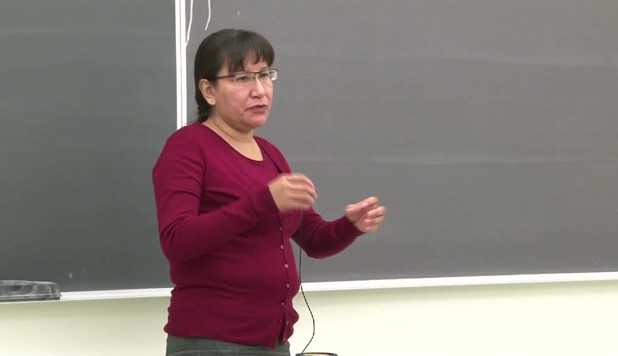
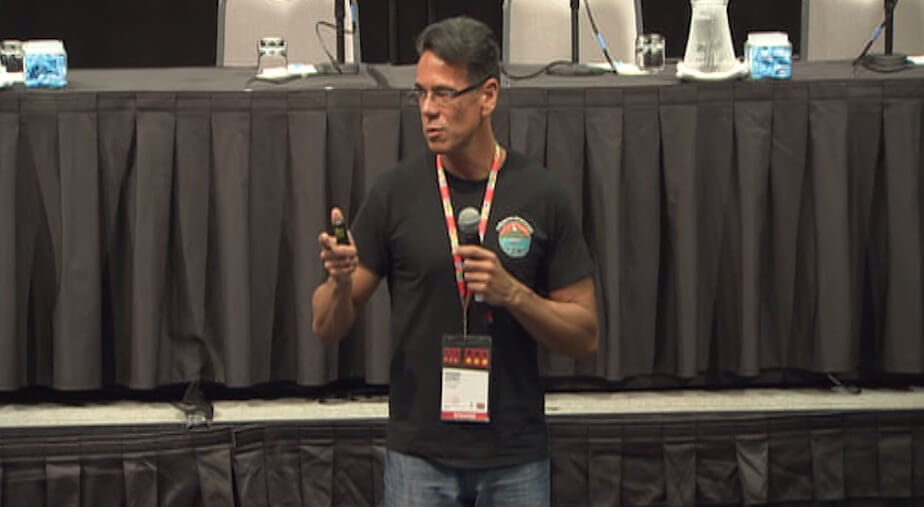
In their presentation–Everyday Acts of Resurgence*–Indigenous Professors Taiaiake Alfred (Mohawk) and Jeff Corntassel (Cherokee) share their thoughts about restoring what has been lost where native title has been impaired or extinguished including urban areas and lands that have faced environmental degradation at the hands of industry.
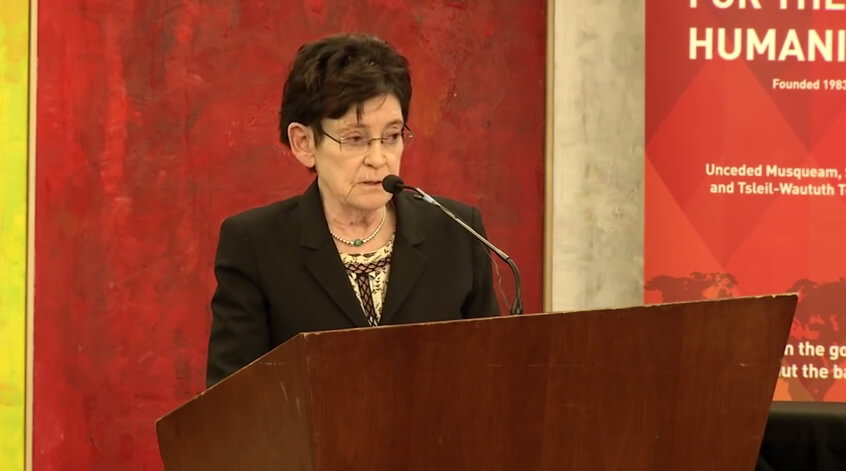
Introduced by Dr. Lisa Strelein, the presentation was delivered as part of the 2016 National Native Title Conference co-convened by the Australian Institute of Aboriginal and Torres Strait Islander Studies (AIATSIS) and the Northern Land Council (NLC), and hosted by the Larrakia people, in Darwin, NT June 1-3 2016.
Across the world right now, Indigenous peoples are facing a renewed assault on their lands, rights, and ways of life.
From extractive industries pushing deeper into ancestral territories, to governments rolling back hard-won protections,
the threat is global—and it is growing.
What makes this moment especially dangerous is how little attention it receives.
Stories like this are disappearing in real time. Mainstream media
barely covers it and the coverage is fragmented. The public is left without the context
needed to understand what is truly at stake.
That is exactly why IC Magazine exists..
For more than 20 years, IC has reported on Indigenous struggles worldwide — consistently, independently, and without compromise.
We don’t follow news cycles; we trace patterns. We don’t sensationalize; we provide context.
And when the world looks away, we stay focused.
But this work is increasingly difficult to sustain.
We refuse to lock our reporting behind a paywall. We don’t sell access through subscriptions.
And we don’t answer to advertisers. IC Magazine survives solely because readers like you choose to
support independent Indigenous journalism.
Please donate today if you can. Every contribution helps us to continue this crucial work.
Thank you,
John Ahni Schertow
Founder and Editor in Chief