
Last Updated on April 10, 2025
Indigenous communities are rejecting non-indigenous energy projects in favour of community-led sustainable energy infrastructure.
The switch has led to some improvements in economic and social development as well as capacity-building for self-governance, according to a study from the University of Waterloo.
“Many indigenous communities decided to take back control of their own energy production and not rely so heavily on government utilities,” said Konstantinos Karanasios, lead researcher and PhD candidate at Waterloo’s Faculty of Environment. “By building solar, wind and hydroelectric power projects, they have been able to develop at their own pace, realize their own vision for environmental sustainability and learn valuable lessons about how to build and manage infrastructure projects.”
The study looked at 71 renewable energy projects, including wind, hydroelectric and solar power, installed between 1980 and 2016 in remote indigenous communities across Canada.
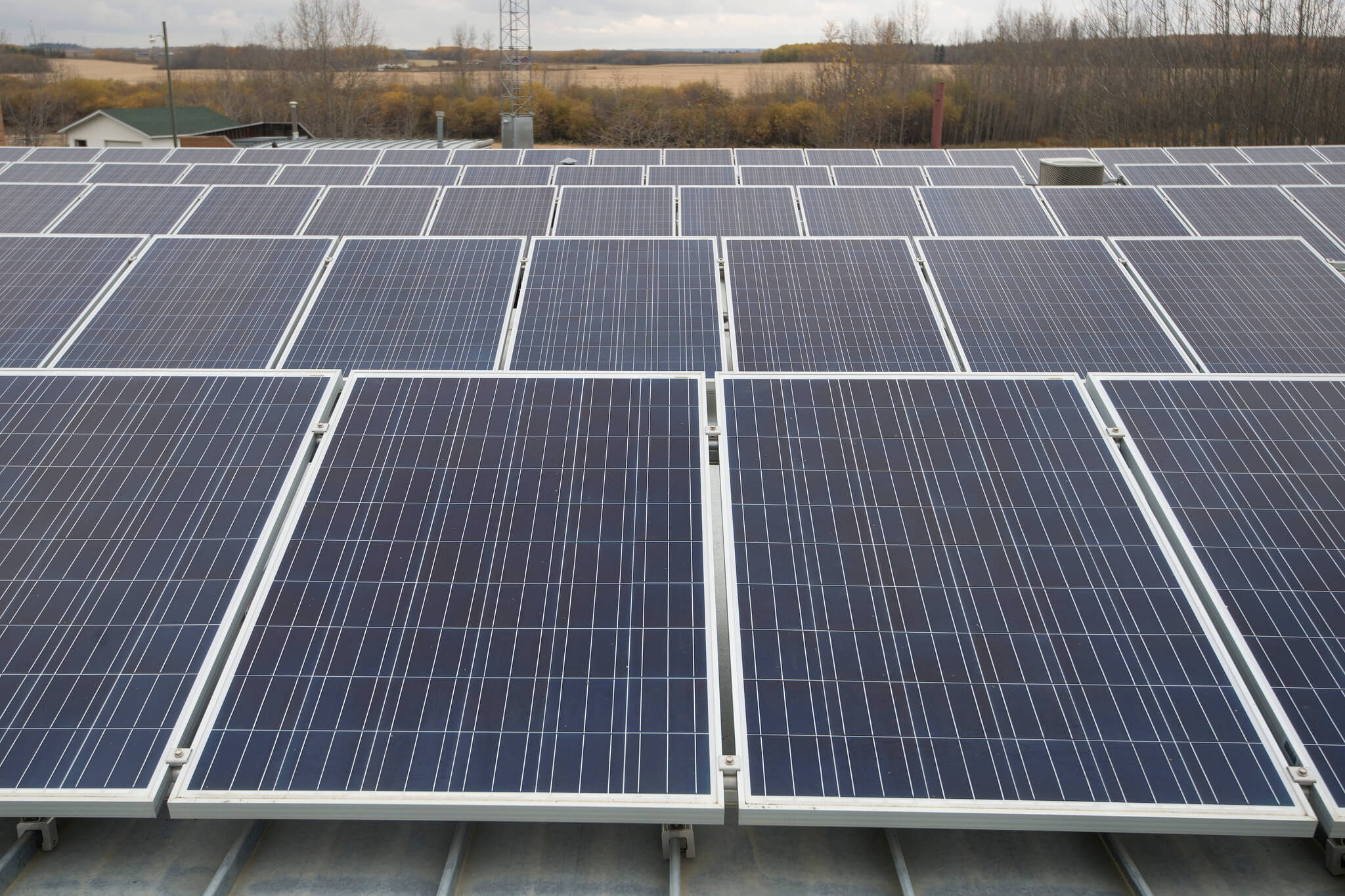
The small-scale projects examined demonstrated positive results environmentally and economically on an encouraging learning curve. From 2000 to 2016, solar projects in remote indigenous communities grew from two in 2006, to 23 in 2012 and 53 in 2016.
“Projects like these offer a blueprint for future larger projects in remote communities across Canada,” said Karanasios. “Furthermore, indigenous communities are showing all Canadians that community-led renewable energy projects can be successful and economically feasible.”
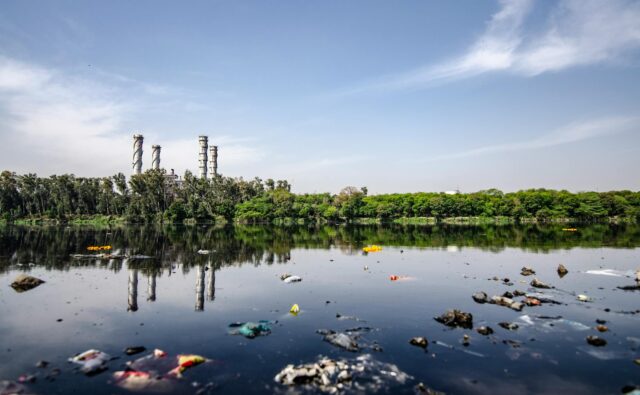
Remote communities in Canada have long-relied on non-renewable energy such as diesel fuel for electricity generation and economic development. Energy production from diesel fuel is often associated with high carbon emissions, spills, leakages, and service quality issues. Fossil fuel can also be unpredictable due to shifting governance regimes, fossil fuel prices and carbon emission policy, potentially restricting community development.
The full study “Tracking the transition to renewable electricity in remote indigenous communities in Canada” appeared recently in the journal Energy Policy.
-30-
University of Waterloo is Canada’s top innovation university. With more than 36,000 students we are home to the world’s largest co-operative education system of its kind. Our unmatched entrepreneurial culture, combined with an intensive focus on research, powers one of the top innovation hubs in the world. Find out more at uwaterloo.ca.
-30-
Ryon Jones
University of Waterloo
519-888-4567 ext. 30031
www.uwaterloo.ca/news
@UWaterlooNews
Across the world right now, Indigenous peoples are facing a renewed assault on their lands, rights, and ways of life.
From extractive industries pushing deeper into ancestral territories, to governments rolling back hard-won protections,
the threat is global—and it is growing.
What makes this moment especially dangerous is how little attention it receives.
Stories like this are disappearing in real time. Mainstream media
barely covers it and the coverage is fragmented. The public is left without the context
needed to understand what is truly at stake.
That is exactly why IC Magazine exists..
For more than 20 years, IC has reported on Indigenous struggles worldwide — consistently, independently, and without compromise.
We don’t follow news cycles; we trace patterns. We don’t sensationalize; we provide context.
And when the world looks away, we stay focused.
But this work is increasingly difficult to sustain.
We refuse to lock our reporting behind a paywall. We don’t sell access through subscriptions.
And we don’t answer to advertisers. IC Magazine survives solely because readers like you choose to
support independent Indigenous journalism.
Please donate today if you can. Every contribution helps us to continue this crucial work.
Thank you,
John Ahni Schertow
Founder and Editor in Chief