
Last Updated on June 18, 2019
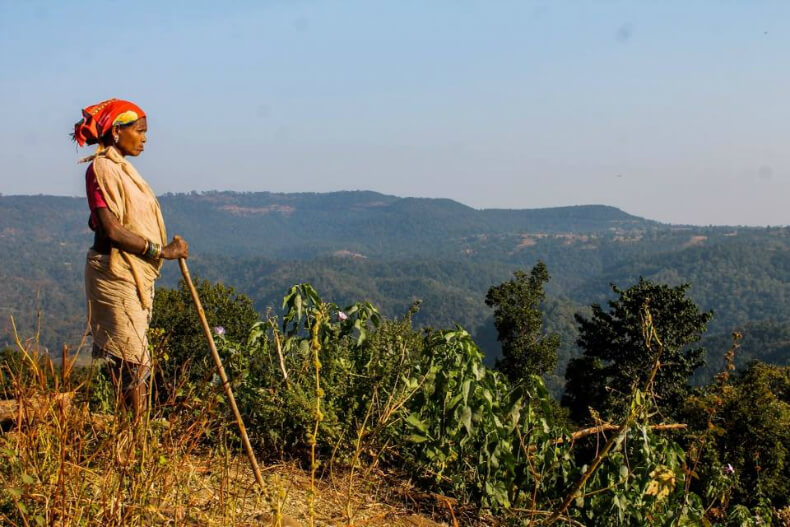
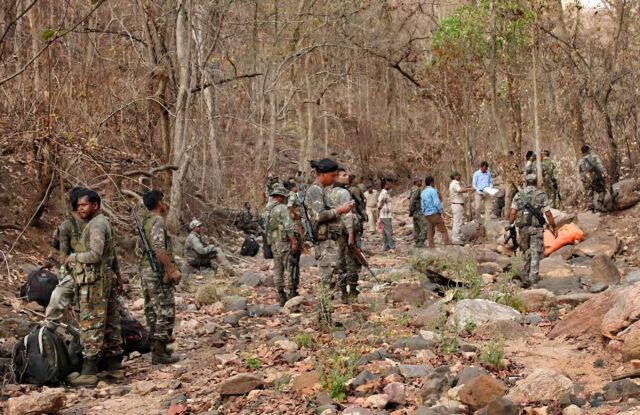
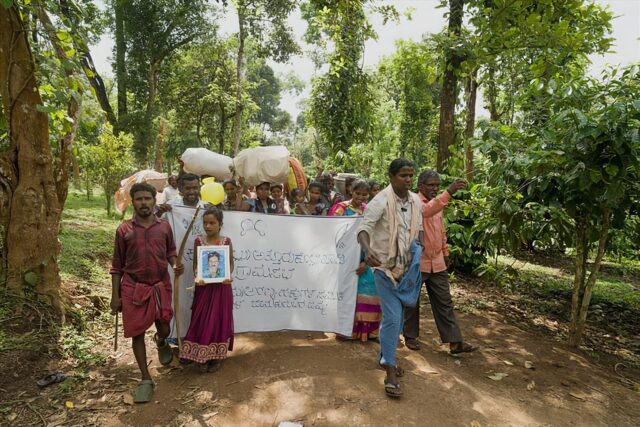
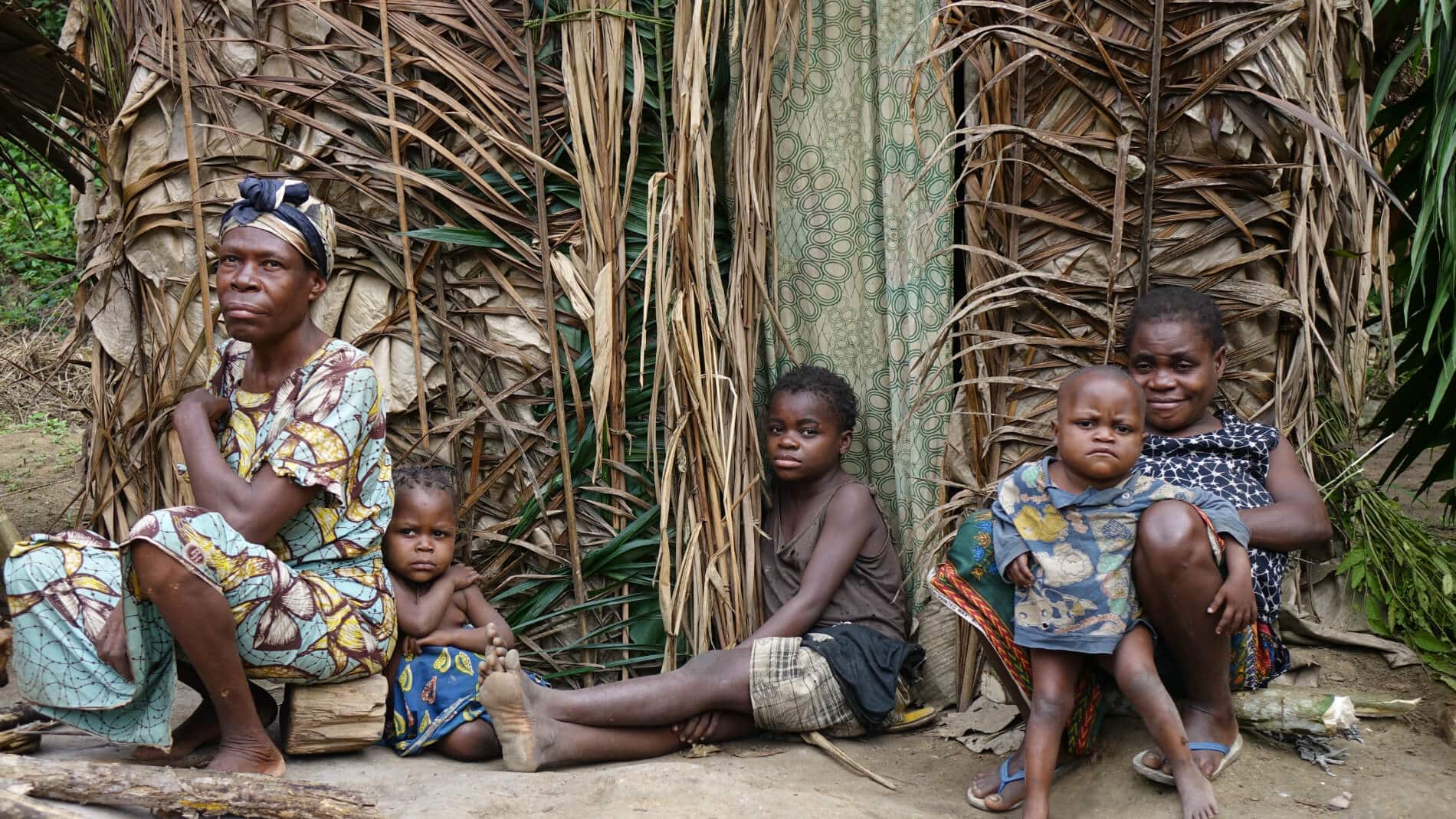
India’s Supreme Court has ordered the eviction of up to 8 million tribal and other forest-dwelling people, in what campaigners have described as “an unprecedented disaster,” and “the biggest mass eviction in the name of conservation, ever.”
The ruling is in response to requests by Indian conservation groups to declare invalid the Forest Rights Act, which gives forest-dwelling people rights to their ancestral lands, including in protected areas. The groups had also demanded that where tribespeople had tried and failed to secure their rights under the Act, they should be evicted.
The groups reportedly include Wildlife First, Wildlife Trust of India, the Nature Conservation Society, the Tiger Research and Conservation Trust and the Bombay Natural History Society.
In an extraordinary move, the national government failed to appear in court to defend the tribespeople’s rights, and the Court therefore ruled in favor of the evictions, which it decreed should be completed by July 27.
The order affects more than 1.1 million households, with experts estimating this could mean more than 8 million individuals will now be evicted – and the number is likely to rise, as some states have not provided details as to how many will be affected.
Survival International’s Director Stephen Corry said today: “This judgement is a death sentence for millions of tribal people in India, land theft on an epic scale, and a monumental injustice.
“It will lead to wholesale misery, impoverishment, disease and death, an urgent humanitarian crisis, and it will do nothing to save the forests which these tribespeople have protected for generations.
“Will the big conservation organizations like WWF and WCS condemn this ruling and pledge to fight it, or will they be complicit in the biggest mass eviction in the name of conservation, ever?”
Across the world right now, Indigenous peoples are facing a renewed assault on their lands, rights, and ways of life.
From extractive industries pushing deeper into ancestral territories, to governments rolling back hard-won protections,
the threat is global—and it is growing.
What makes this moment especially dangerous is how little attention it receives.
Stories like this are disappearing in real time. Mainstream media
barely covers it and the coverage is fragmented. The public is left without the context
needed to understand what is truly at stake.
That is exactly why IC Magazine exists..
For more than 20 years, IC has reported on Indigenous struggles worldwide — consistently, independently, and without compromise.
We don’t follow news cycles; we trace patterns. We don’t sensationalize; we provide context.
And when the world looks away, we stay focused.
But this work is increasingly difficult to sustain.
We refuse to lock our reporting behind a paywall. We don’t sell access through subscriptions.
And we don’t answer to advertisers. IC Magazine survives solely because readers like you choose to
support independent Indigenous journalism.
Please donate today if you can. Every contribution helps us to continue this crucial work.
Thank you,
John Ahni Schertow
Founder and Editor in Chief