
Last Updated on April 10, 2025
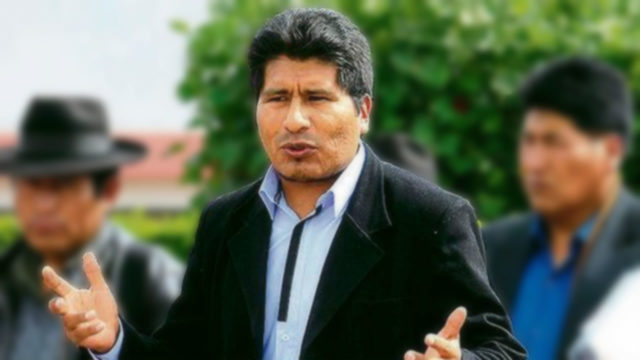
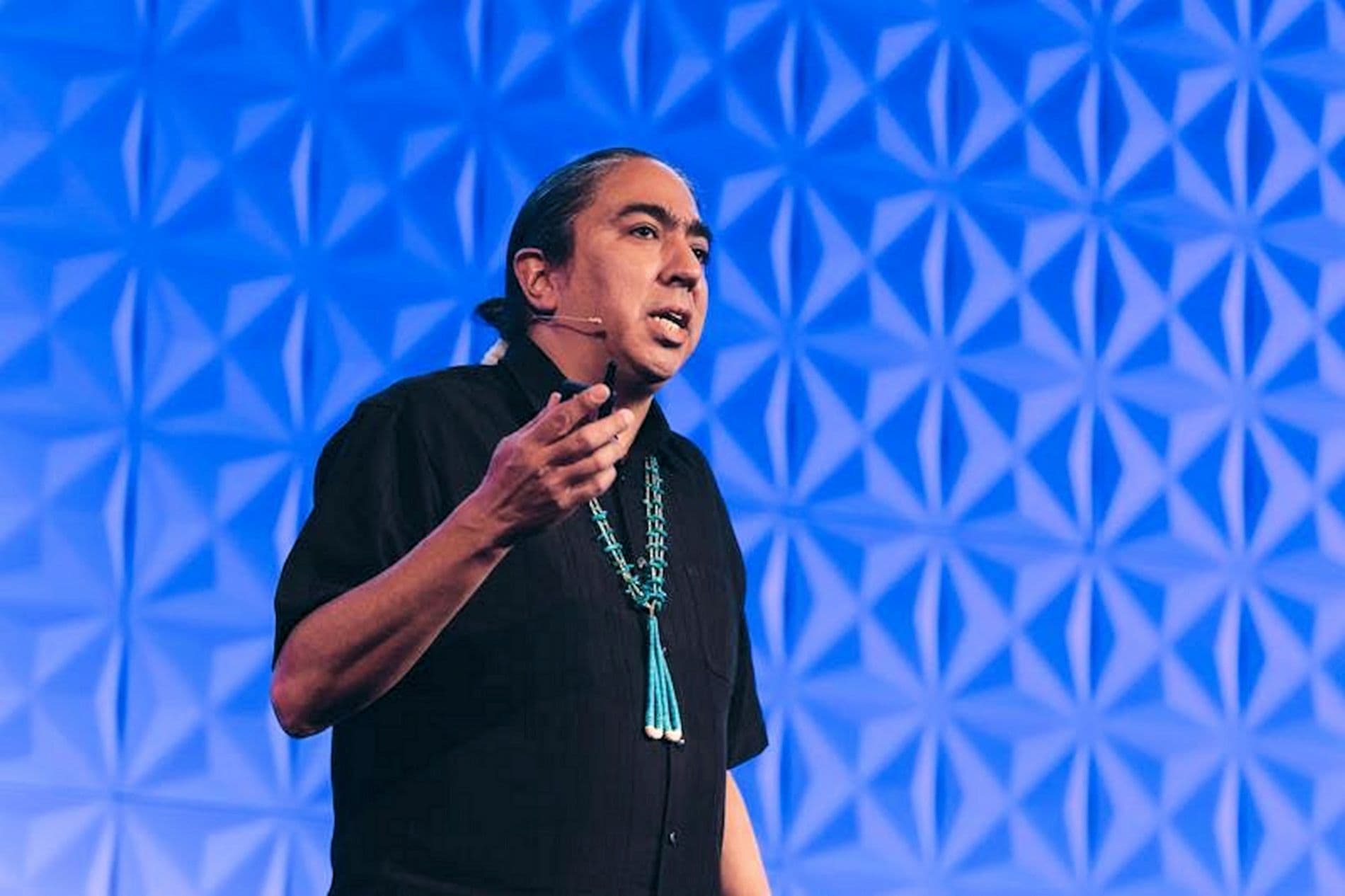
Mark Charles, Navajo, announces his bid for the 2020 presidential race as an Independent candidate.
That makes it 27 candidates in total vying for the seat: 23 Democrats, 2 Republicans and 2 Independents.
His campaign slogan: “To build a nation where ‘We the People’ means all the people.”
Following Navajo protocol, Charles introduced himself in the language, Diné Bizaad, with his four clans in a 9-minute video. Viewers find out that he is also of Dutch heritage, which is his mother.
The last time a Native person ran for president was Russell Means, Oglala Lakota, in the 1988 election. He ran under the Libertarian Party flag.
Charles focuses on two documents: the U.S. Constitution and the Doctrine of Discovery.
He addresses the underlying issues within the Constitution, such as looking at how it protects “white land-owning males” and how it is used to justified today’s form of slavery, which is the criminal justice system.
“The Constitution’s doing exactly what it was designed to do. It’s protecting the interests of white, land-owning men,” he said.
The former pastor of the Christian Indian Center in Denver, Colorado, also criticizes and holds the Doctrine of Discovery, an international document that justified the taking of land by Christians, responsible for the ethnic cleansing of Indigenous people in North America.
Both have been talking points for his public speaking events and his TEDx Talk in January, “We the People – the three most misunderstood words in US history.”
He has been writing about the topics in his blog “Wirelesshogan: Reflections from the Hogan” since 2008 when he moved to the Navajo Nation with his family.
Charles is also a consultant for the Calvin Institute of Christian Worship, a columnist for Native News Online and is based in Washington, D.C.
Jourdan Bennett-Begaye, Diné, is a reporter/producer for Indian Country Today in Washington, D.C. Follow her on Twitter – @jourdanbb. Email –jbennett-begaye@indiancountrytoday.com
Across the world right now, Indigenous peoples are facing a renewed assault on their lands, rights, and ways of life.
From extractive industries pushing deeper into ancestral territories, to governments rolling back hard-won protections,
the threat is global—and it is growing.
What makes this moment especially dangerous is how little attention it receives.
Stories like this are disappearing in real time. Mainstream media
barely covers it and the coverage is fragmented. The public is left without the context
needed to understand what is truly at stake.
That is exactly why IC Magazine exists..
For more than 20 years, IC has reported on Indigenous struggles worldwide — consistently, independently, and without compromise.
We don’t follow news cycles; we trace patterns. We don’t sensationalize; we provide context.
And when the world looks away, we stay focused.
But this work is increasingly difficult to sustain.
We refuse to lock our reporting behind a paywall. We don’t sell access through subscriptions.
And we don’t answer to advertisers. IC Magazine survives solely because readers like you choose to
support independent Indigenous journalism.
Please donate today if you can. Every contribution helps us to continue this crucial work.
Thank you,
John Ahni Schertow
Founder and Editor in Chief