
Last Updated on August 27, 2019
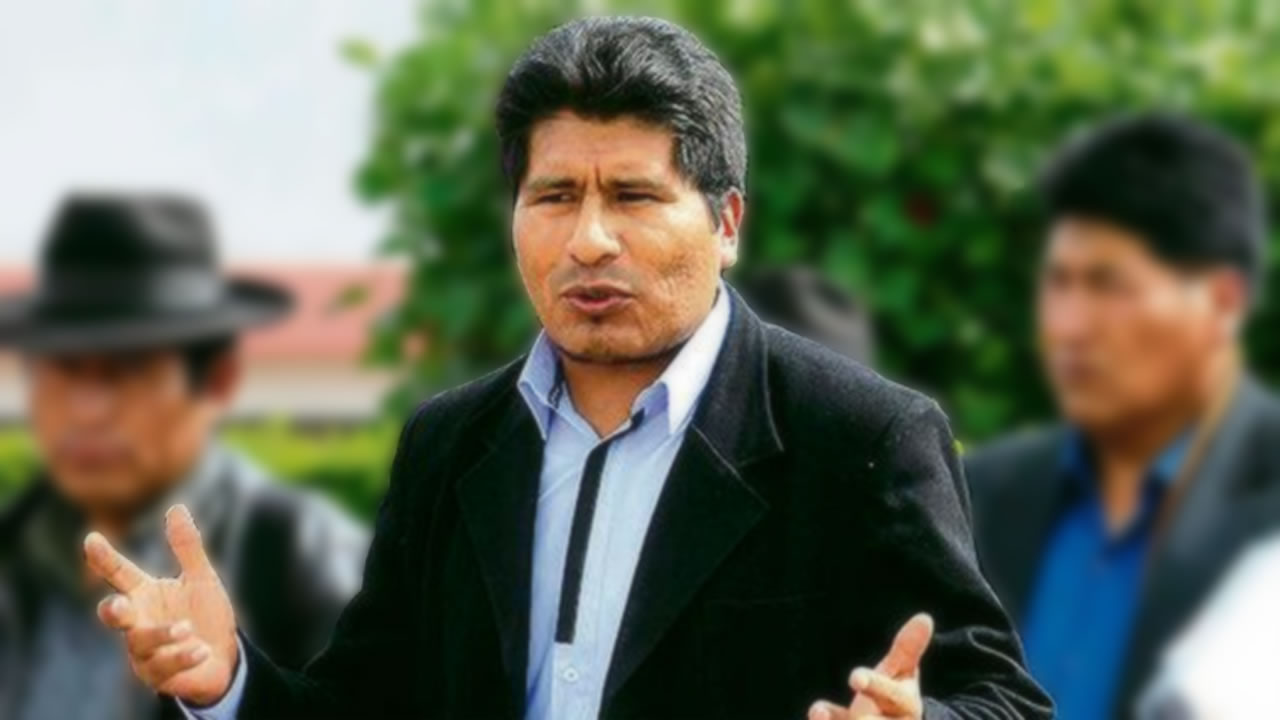
The indigenous governor of the southern Andean region of Puno, Peru, Walter Aduviri, is awaiting his transfer to that territory, where he will be imprisoned, amid continued controversy over his detention.
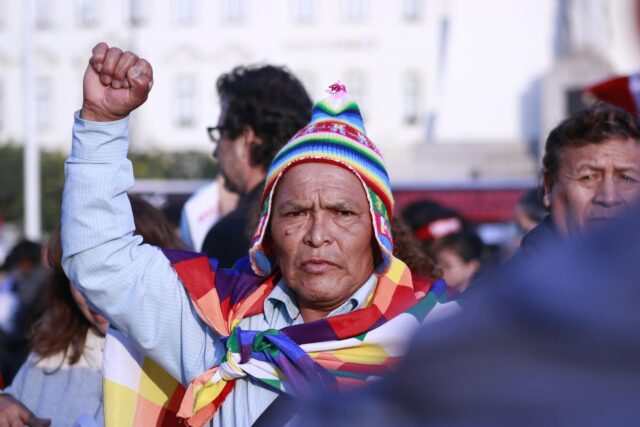
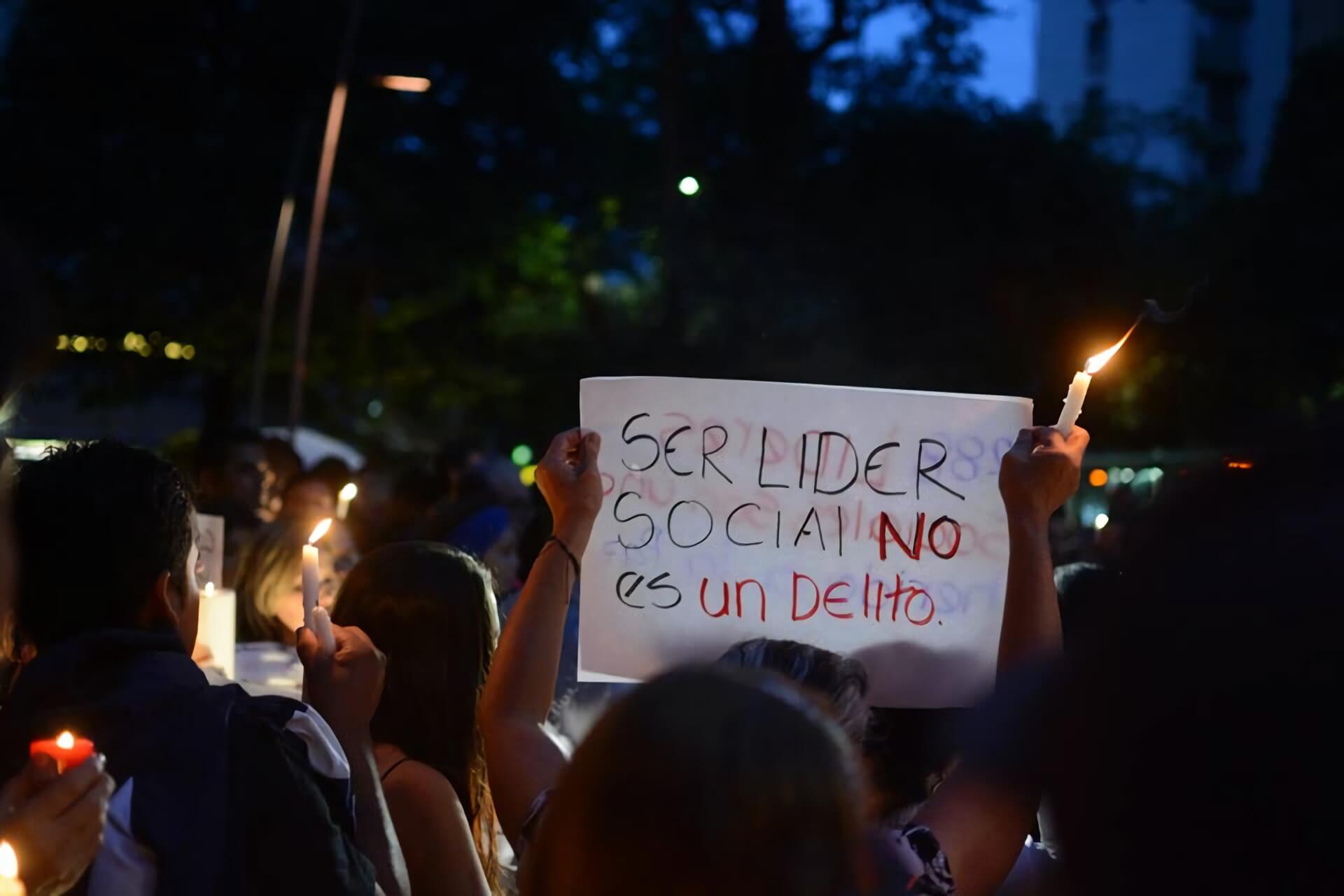
While the press and neoliberal politicians oscillate between support and indifference towards the case, progressive forces denounced that it is part of the application of a policy that criminalizes social protests.
Parliamentary spokesperson of the Frente Amplio (FA), Hernando Cevallos, deplored the arrest of Aduviri, Sunday night in Lima, and said that ‘he has been convicted of conducting a completely just protest.’
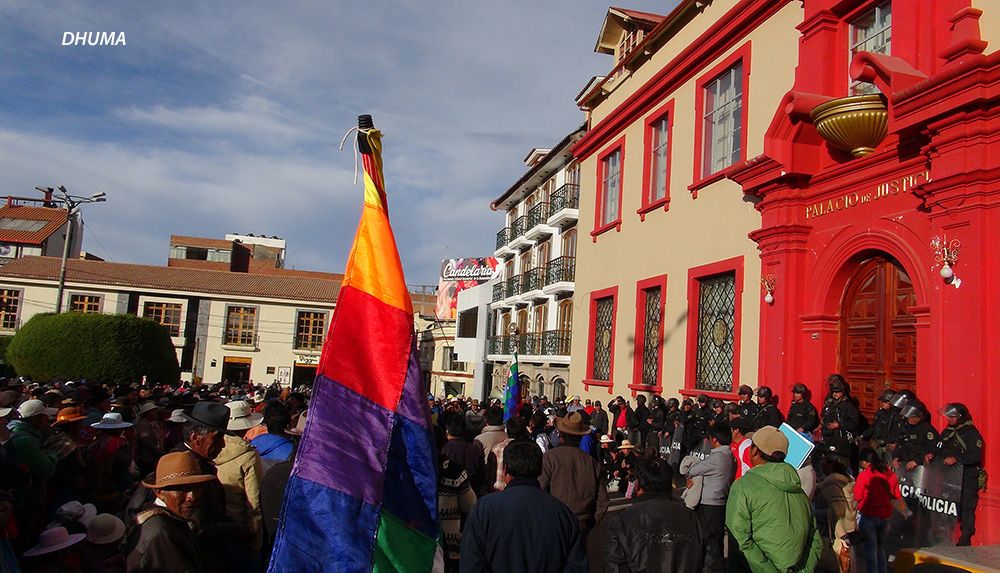
He thus referred to the mobilization of Aymara communities, in 2011, against the mining project of a Canadian transnational company installed in their lands, close to the border with Bolivia, causing environmental damage.
Cevallos said that in such demonstrations there is always the risk that they result in acts of vandalism, often caused by the police.
For her part, the leader of the New Peru Movement (NP), Verónica Mendoza, defended the constitutional right to protest in the case of the Aymara leader.
Aduviri was sentenced on August 14 in absentia, as he had gone into hiding before a previous order of preventive detention, and considers the sentence unfair, arguing that there is no evidence against him.
The governors of the south of the country and the Assembly of Regional Governments rejected the condemnation of Aduviri, and the latter described as an act of political persecution both his sentence and the previous one issued against the governor of the Central Andean region of Junín, Vladimir Cerrón, for alleged administrative irregularities.
This article was originally published by Presna Latina
Across the world right now, Indigenous peoples are facing a renewed assault on their lands, rights, and ways of life.
From extractive industries pushing deeper into ancestral territories, to governments rolling back hard-won protections,
the threat is global—and it is growing.
What makes this moment especially dangerous is how little attention it receives.
Stories like this are disappearing in real time. Mainstream media
barely covers it and the coverage is fragmented. The public is left without the context
needed to understand what is truly at stake.
That is exactly why IC Magazine exists..
For more than 20 years, IC has reported on Indigenous struggles worldwide — consistently, independently, and without compromise.
We don’t follow news cycles; we trace patterns. We don’t sensationalize; we provide context.
And when the world looks away, we stay focused.
But this work is increasingly difficult to sustain.
We refuse to lock our reporting behind a paywall. We don’t sell access through subscriptions.
And we don’t answer to advertisers. IC Magazine survives solely because readers like you choose to
support independent Indigenous journalism.
Please donate today if you can. Every contribution helps us to continue this crucial work.
Thank you,
John Ahni Schertow
Founder and Editor in Chief