Last Updated on October 17, 2025
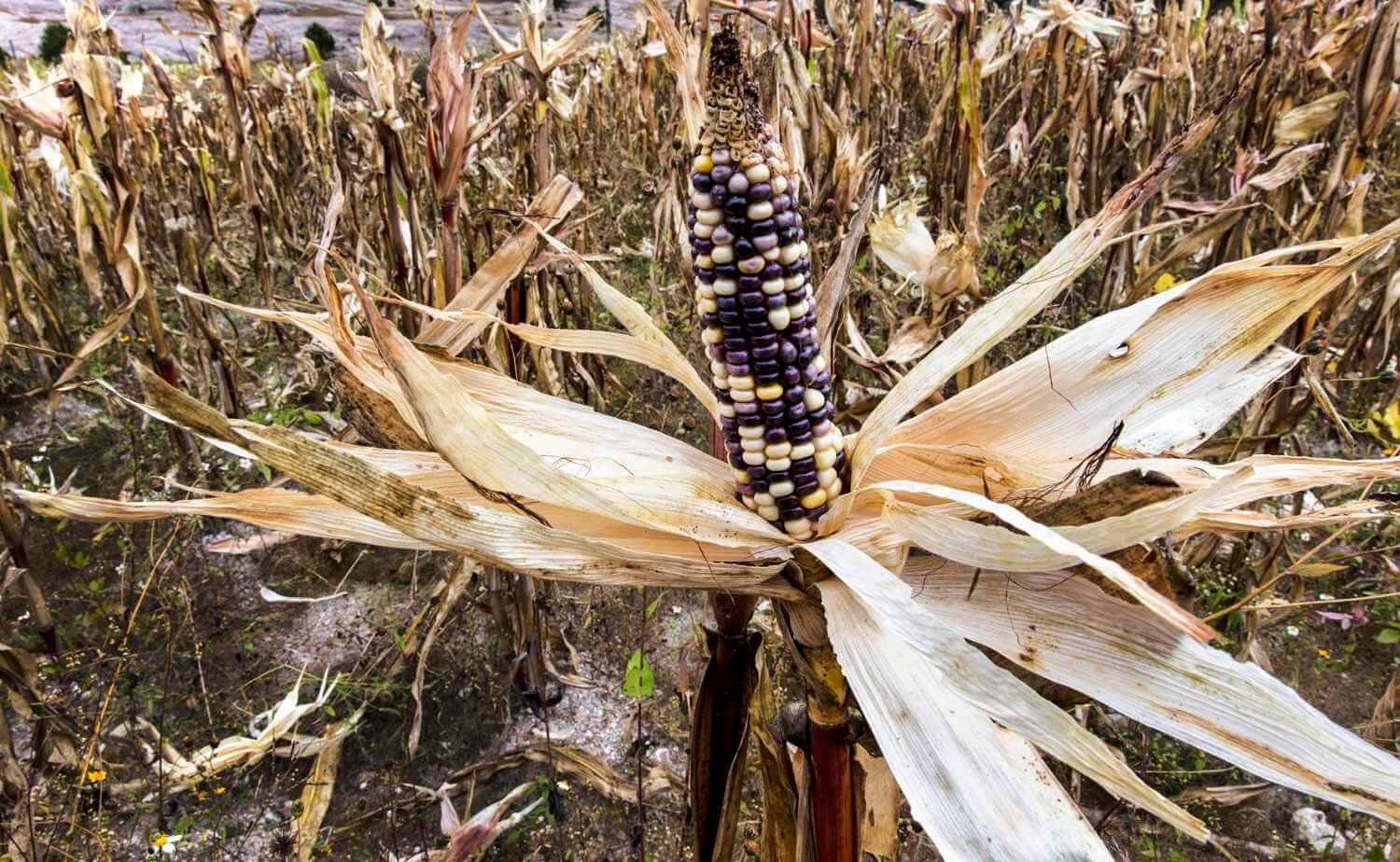
Artificial intelligence has reached the cornfield. A newly designed maize variety, developed using AI-assisted genetic tools, is being hailed by some as progress and by others as a threat. For Indigenous peoples across the Americas — the original cultivators of maize — it represents another incursion into the genetic and spiritual heritage they have spent generations protecting.
The blueprint, released in the journal Frontiers in Plant Science, outlines the maize variant in which genetic regulators are reprogrammed so that a natural defensive protein, the Serine Protease Inhibitor (SPI), is produced continuously rather than only in response to pest attacks. Researchers say this “fine-tuning” process, guided by AI modeling, could mark a new frontier in crop engineering.
Proponents argue that such techniques could accelerate the development of pest-resistant plants without inserting foreign genes, potentially reducing pesticide use. But critics say the European Union’s proposed rules for new genomic techniques, or NGTs, could create loopholes that allow high-risk crops to evade proper oversight.
According to the NGO GMWatch, “Insecticidal plants can be toxic not only to herbivorous insects, but also pose significant risks to non-target organisms, food webs, ecosystem function, and biodiversity.” The group warns that under the European Commission’s draft proposal, NGT plants with up to 20 genetic modifications could be released and marketed “without prior environmental risk assessment.”
Testbiotech, another European research NGO, described the AI-designed maize as a “proof of concept” that exposes weaknesses in the current regulatory framework. “The insecticidal AI maize can be seen as a kind of experimental proof that the EU proposal is inadequate,” the organization said, calling for stronger environmental safeguards and independent evaluation before any field release.
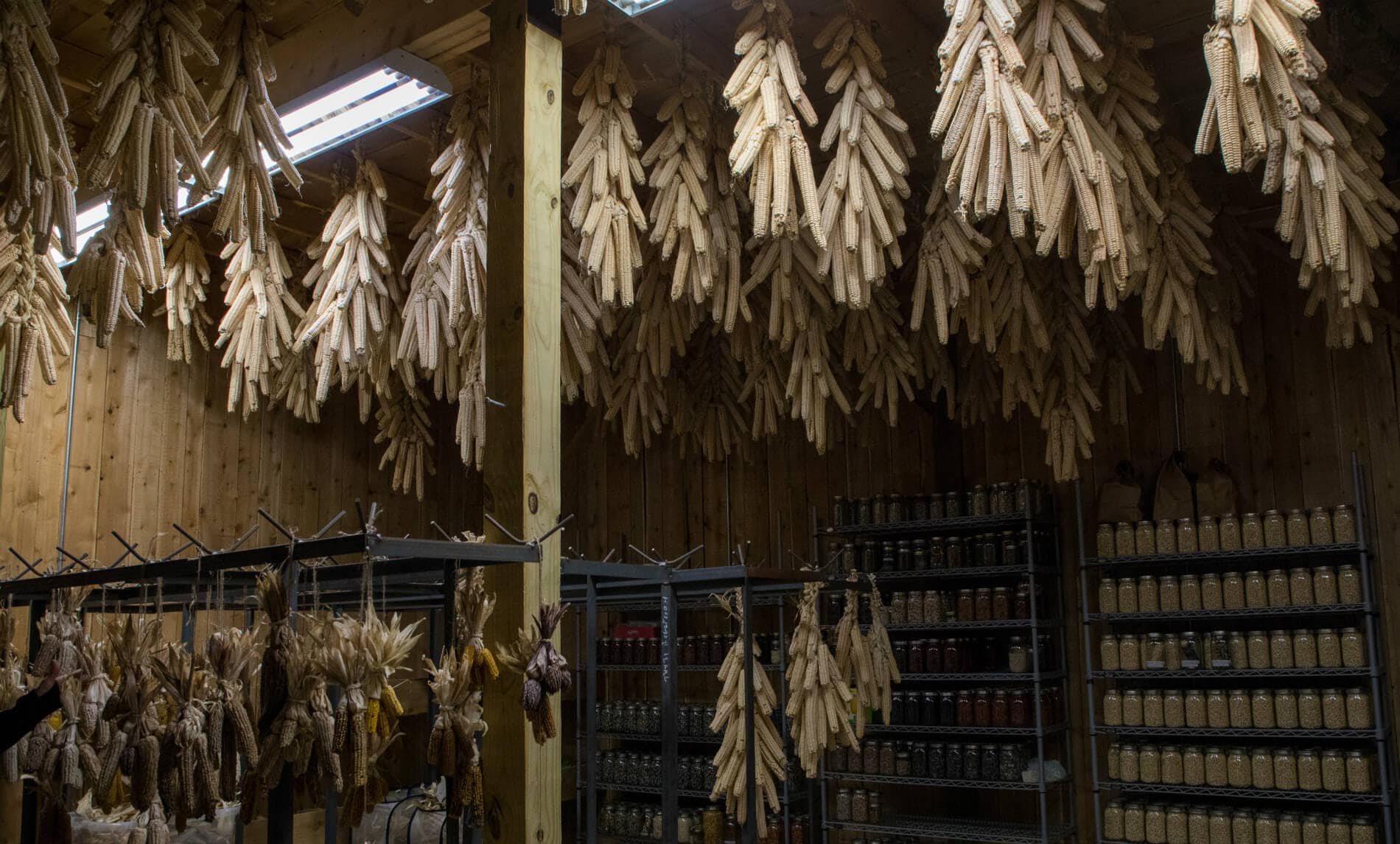
Ever since Monsanto’s Bt corn appeared in the late 1990s, Indigenous farmers and scientists have warned that transgenic pollen threatened native maize fields by contaminating genetic lineages that have been carefully tended for millennia. Now, with the rise of gene editing and AI-assisted design, there is a new layer of complexity to this long-standing struggle.
This new technology blurs regulatory boundaries, potentially allowing engineered traits to move through trade networks and into ecosystems with minimal oversight. For Indigenous farmers, who depend on open pollination and seed sharing, even a small breach can have irreversible effects.
The legal implications are equally significant. Many Indigenous nations assert that the introduction of genetically engineered traits without consent infringes on collective rights that are protected under the UN Declaration on the Rights of Indigenous Peoples (UNDRIP) and the Convention on Biological Diversity.
These two frameworks, ratified by most countries in the Americas, affirm Indigenous peoples’ right to maintain, control, and protect their genetic resources and traditional knowledge.
Yet in practice, enforcement remains inconsistent. In Mexico, for instance, Indigenous organizations such as the Red en Defensa del Maíz have spent two decades fighting to keep transgenic corn out of the country’s fields. Their efforts contributed to a landmark 2020 presidential decree restricting the import and cultivation of genetically modified maize for human consumption. The decree is now being challenged under the United States-Mexico-Canada Agreement (USMCA).
Across the Andes, similar struggles are unfolding. In Peru, where a moratorium on GM crops has been renewed through 2035, Quechua and Aymara farmers are using community seed banks to preserve native varieties and assert control over their agricultural heritage. Ecuador’s 2008 Constitution goes even further, recognizing the country as “free of transgenic crops and seeds” and enshrining the “rights of nature” alongside Indigenous stewardship.
Despite these protections, the global seed market continues to consolidate. A handful of corporations—such as Bayer-Monsanto, Corteva, BASF, and Syngenta—control more than half of the world’s commercial seed trade. Gene-edited crops, often covered by new patent claims, extend that monopoly into emerging markets. This has raised alarm among Indigenous and peasant movements, who warn that the combination of intellectual property law and deregulated biotechnology could further erode farmers’ autonomy.
Now, as artificial intelligence takes root in the fields, the struggle over maize enters a new phase — but the story remains achingly familiar. For Indigenous farmers who have protected their seeds through centuries of conquest, colonization, and corporate expansion, the challenge is no longer just to preserve biodiversity, but to defend the right to decide what kind of future grows from their soil.
The European Commission is expected to finalize its policy on NGT regulation in the coming months.
Across the world right now, Indigenous peoples are facing a renewed assault on their lands, rights, and ways of life.
From extractive industries pushing deeper into ancestral territories, to governments rolling back hard-won protections,
the threat is global—and it is growing.
What makes this moment especially dangerous is how little attention it receives.
Stories like this are disappearing in real time. Mainstream media
barely covers it and the coverage is fragmented. The public is left without the context
needed to understand what is truly at stake.
That is exactly why IC Magazine exists..
For more than 20 years, IC has reported on Indigenous struggles worldwide — consistently, independently, and without compromise.
We don’t follow news cycles; we trace patterns. We don’t sensationalize; we provide context.
And when the world looks away, we stay focused.
But this work is increasingly difficult to sustain.
We refuse to lock our reporting behind a paywall. We don’t sell access through subscriptions.
And we don’t answer to advertisers. IC Magazine survives solely because readers like you choose to
support independent Indigenous journalism.
Please donate today if you can. Every contribution helps us to continue this crucial work.
Thank you,
John Ahni Schertow
Founder and Editor in Chief