
Last Updated on May 8, 2026
Rapid City, SD — After a week of strategic direct action to shut down drilling pads at Pe’Sla and two days after Octet Sakowin land defenders won a temporary restraining order on drilling near the sacred site, the Pete Lien & Sons company has withdrawn their plan for the Rochford Mineral Exploratory Drilling Project.
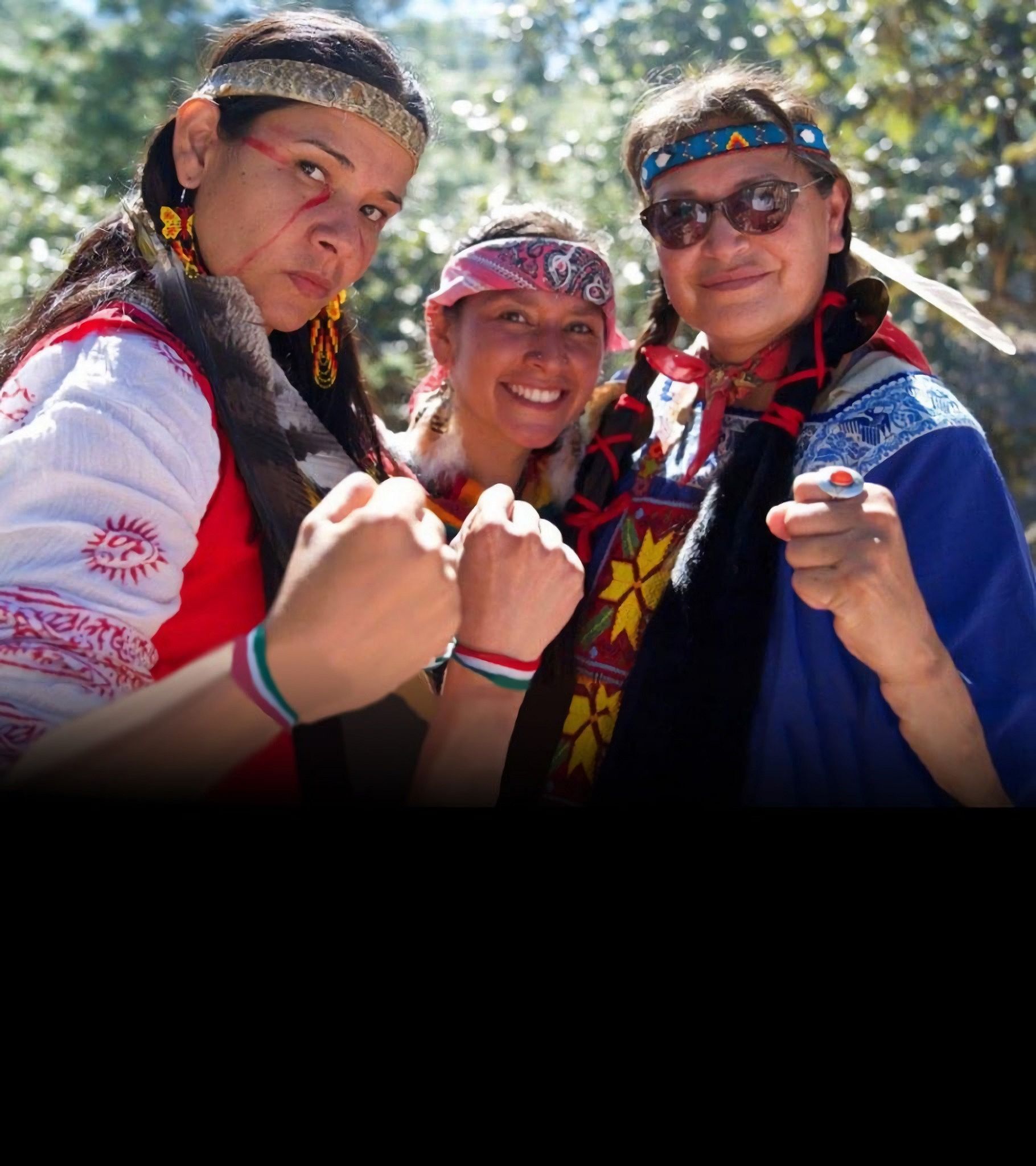
This is a huge victory for the Pe’Sla land defenders and their multifaceted strategy, which included direct action and court battles through multiple lawsuits, offering a blueprint for future land defense fights across the United States and worldwide.
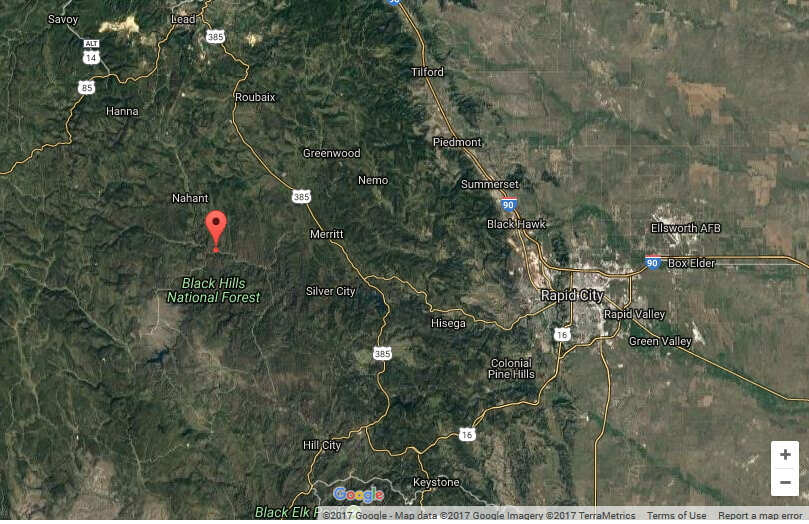
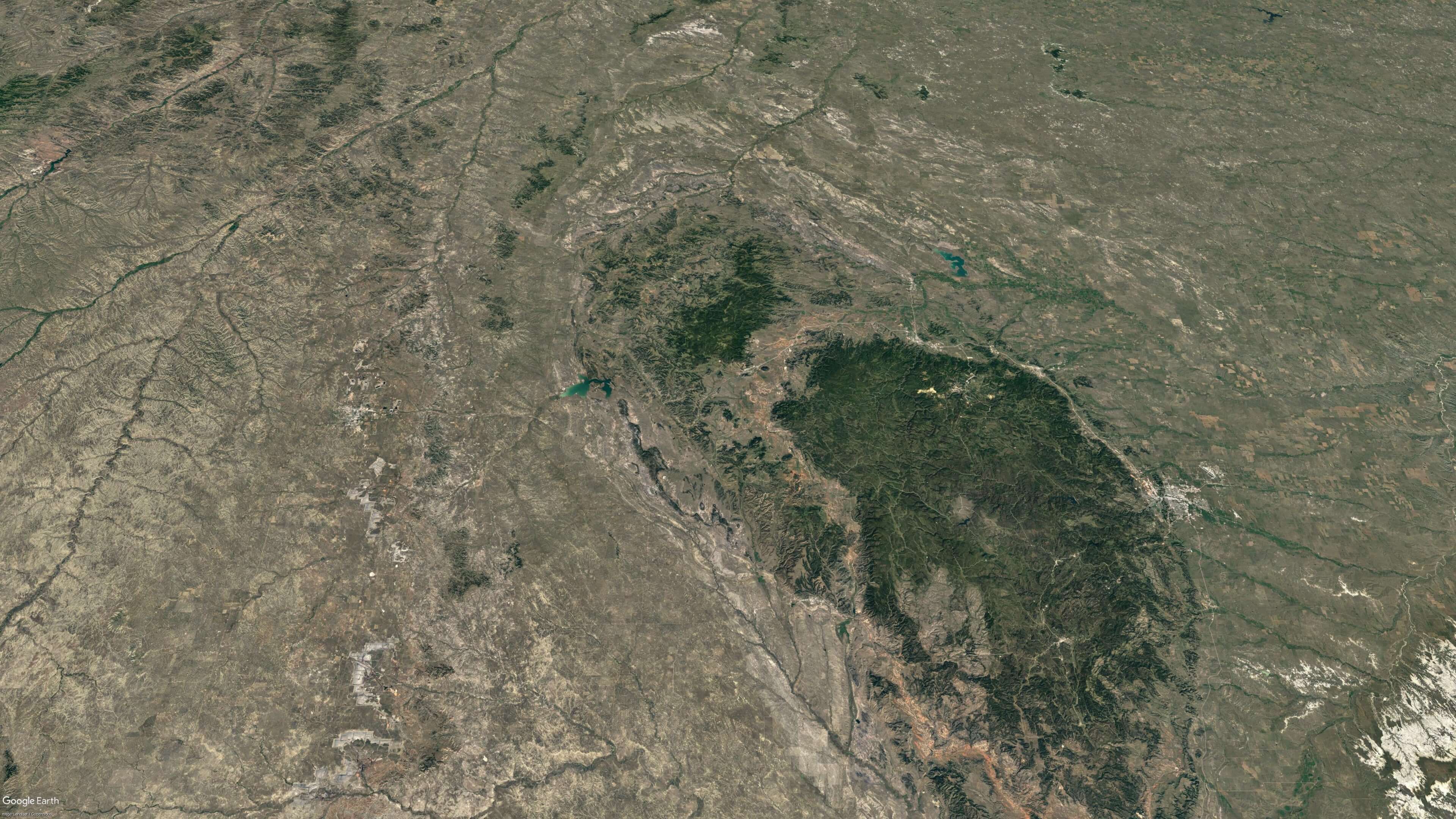
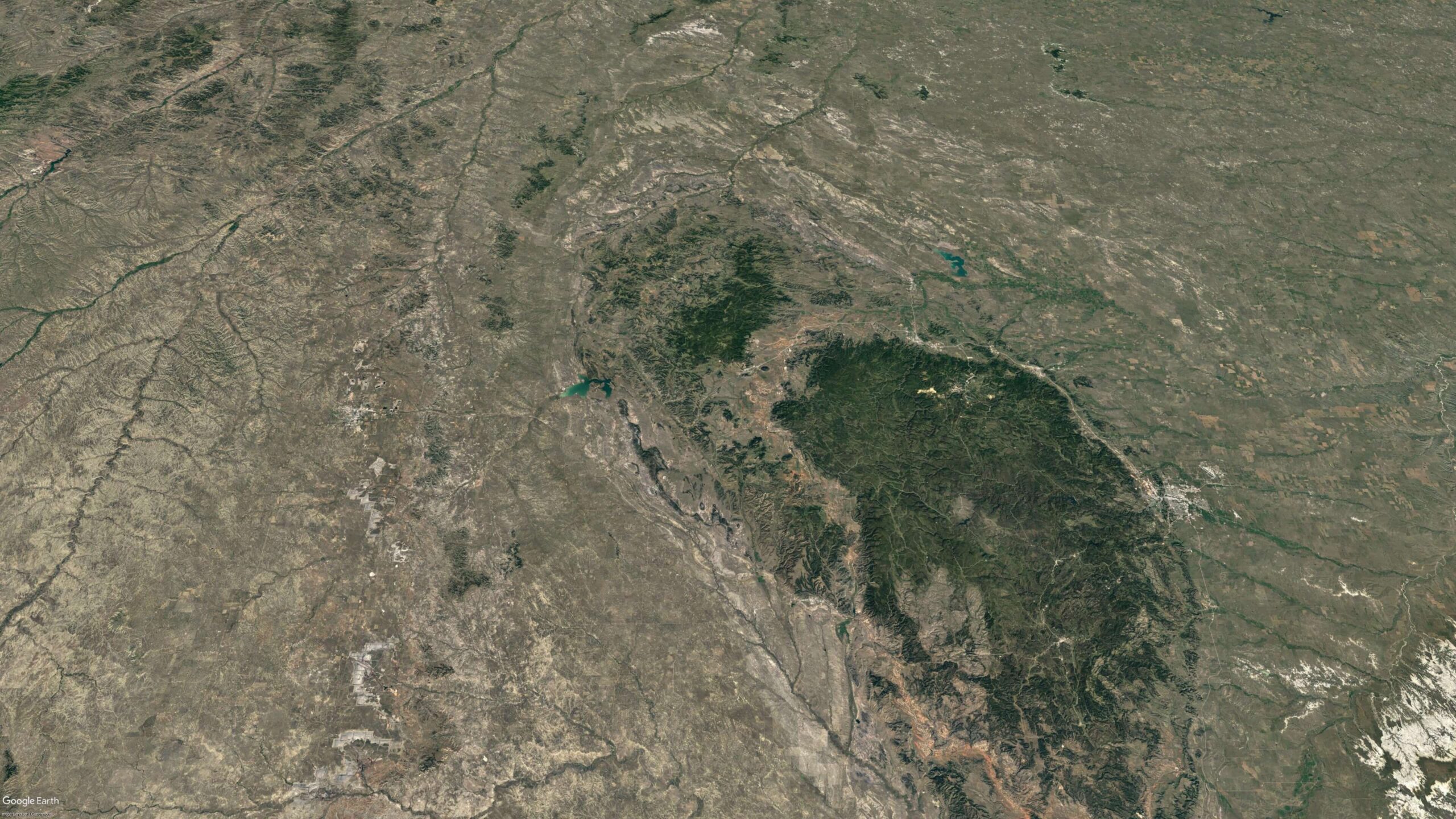
Pe’ Sla, a high-elevation prairie also known as Reynolds Prairie, is revered as a site of creation and is of profound significance to the Lakota, Dakota, and Nakota tribes, who have visited it for thousands of years and continue to use it for prayer, ceremony, and cultural activities.
The Indigenous fight to protect Pe’Sla has centuries of history, beginning with the Treaty of Fort Laramie in 1868, which guaranteed the Black Hills, including Pe’Sla, to the Great Sioux Nation. The treaty was violated following the discovery of gold in the area, and in 1876, the U.S. Government seized the Black Hills and the land at Pe’Sla was subsequently sold for non-Indian homesteads and grazing. In 1980, the U.S. Supreme Court affirmed the Black Hills were illegally taken from tribes. While the court offered monetary compensation, the tribes refused the payment, insisting on the return of the land—a goal they eventually realized through the 2012 purchase.
The current push to reclaim Pe’Sla began in 2011, when the Pete Lien and Sons mining company proposed building a limestone quarry near Pe’Sla, prompting an urgent push from Indigenous land defenders to protect the area. The land, at the time owned by the Renolds’ family, was nearly sold at an open auction; however, several tribes—including the Rosebud, Shakopee Mdewakanton, Crow Creek, and Standing Rock Sioux Tribes—raised $9 million to purchase the roughly 2,000 acres.
Four years later, the Department of the Interior and the Obama Administration finally responded to tribal petitions and officially placed the purchased Pe’Sla land into federal Indian trust status.
However, Pe’Sla was threatened again in 2018, when the Canadian firm Mineral Mountain Resources Ltd. began gold prospecting near Pe’ Sla, and in 2025, when the U.S. Forest Service released a proposal by Pete Lien and Sons to drill for graphite in the area.
Despite widespread opposition, less than a year later, the U.S. Forest Service issued a permit authorizing Pete Lien and Sons to begin exploratory graphic drilling, and using a controversial “categorial exclusion,” they were able to bypass a comprehensive environmental review. The move also violated a memorandum of understanding between tribes and the U.S. Forest Service establishing a 2-mile protective buffer zone around the site.
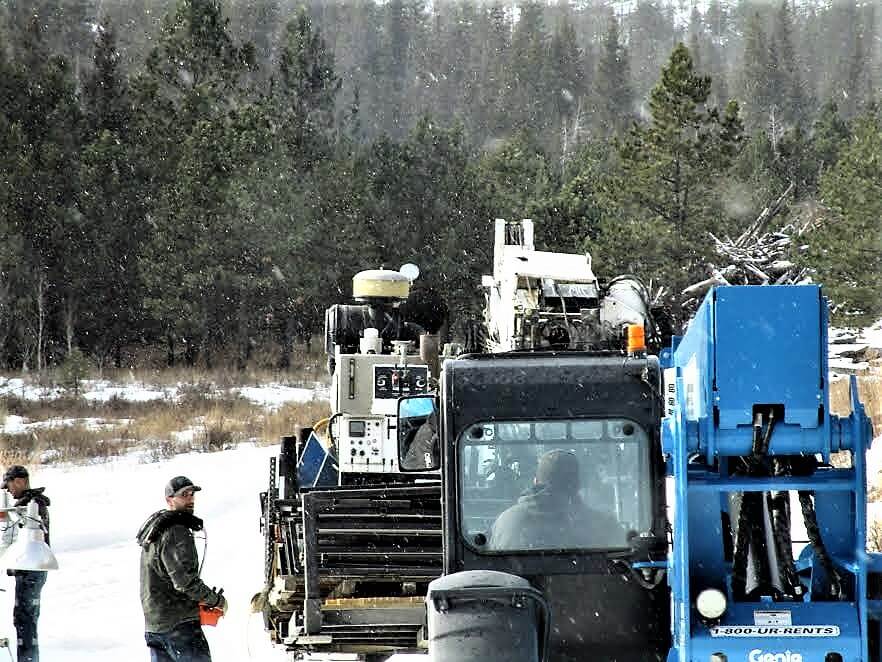
The battle came to a head in April 2026, when it became known that exploratory drilling had already begun, despite a federal lawsuit filed by The NDN Collective, the Black Hills Clean Water Alliance, and Earthworks against the U.S. Forest Service. On April 30, land defenders engaged in direct action to prevent drilling operations, and on May 4, they won a temporary restraining order in federal court preventing further drilling.
The combined strategy led Pete Lien and Sons to withdraw their proposal on May 8, 2026.
“Today’s successful protection of Pe’ Sla, which is the result of courageous land defense by the community, strategic legal action, and collective prayer, marks a great victory for the people and Mother Earth,” said Wizipan Garriott, president of NDN Collective in a press release. “We must build on this win to continue the people’s work to secure a bright future for generations to come – in the Black Hills and beyond.”
Across the world right now, Indigenous peoples are facing a renewed assault on their lands, rights, and ways of life.
From extractive industries pushing deeper into ancestral territories, to governments rolling back hard-won protections,
the threat is global—and it is growing.
What makes this moment especially dangerous is how little attention it receives.
Stories like this are disappearing in real time. Mainstream media
barely covers it and the coverage is fragmented. The public is left without the context
needed to understand what is truly at stake.
That is exactly why IC Magazine exists..
For more than 20 years, IC has reported on Indigenous struggles worldwide — consistently, independently, and without compromise.
We don’t follow news cycles; we trace patterns. We don’t sensationalize; we provide context.
And when the world looks away, we stay focused.
But this work is increasingly difficult to sustain.
We refuse to lock our reporting behind a paywall. We don’t sell access through subscriptions.
And we don’t answer to advertisers. IC Magazine survives solely because readers like you choose to
support independent Indigenous journalism.
Please donate today if you can. Every contribution helps us to continue this crucial work.
Thank you,
John Ahni Schertow
Founder and Editor in Chief