
Last Updated on May 29, 2026
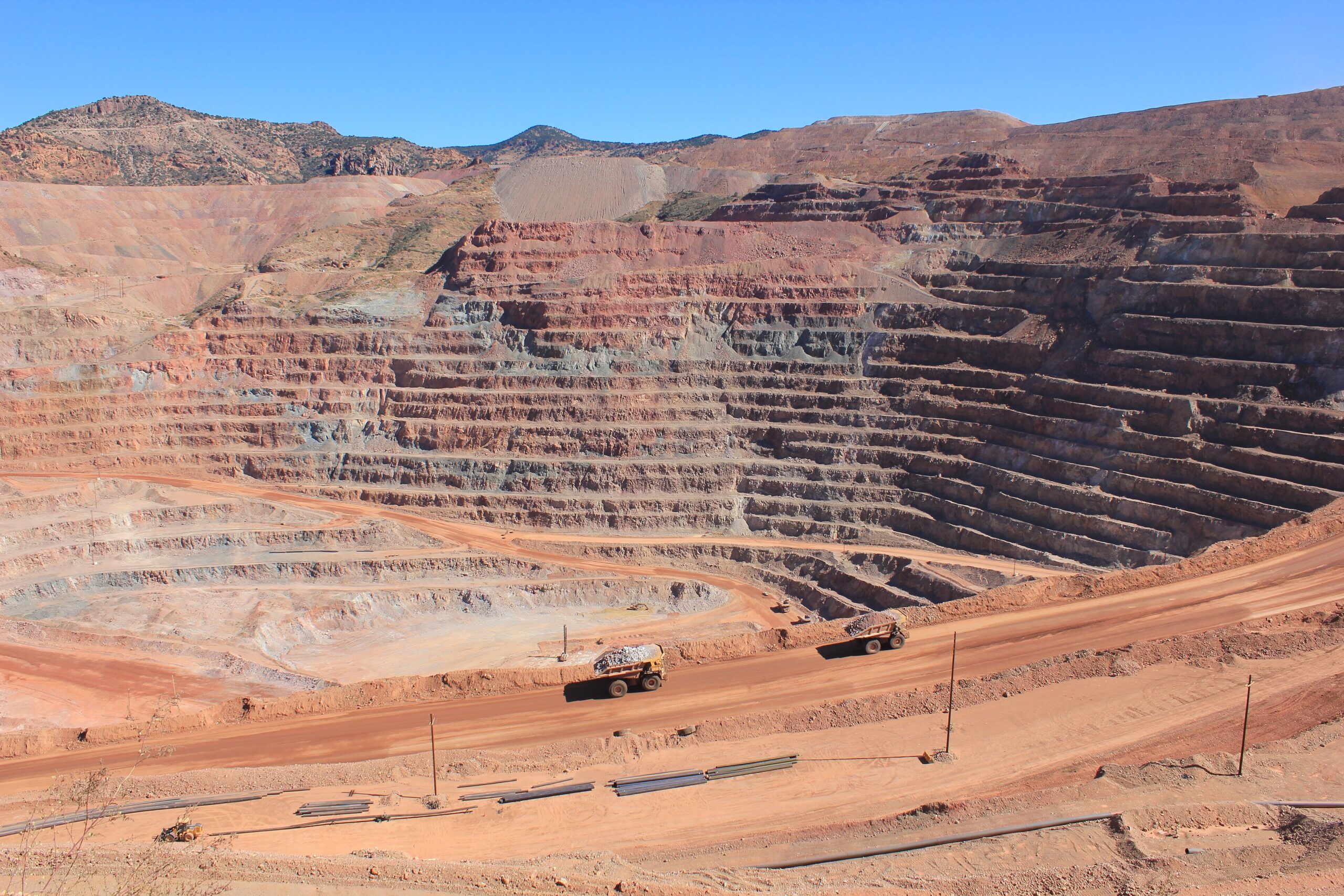
The massive Reko Diq copper and gold mine in Pakistan’s southwestern Balochistan province is increasingly becoming a flashpoint in a growing international debate over Indigenous rights, militarization and the human cost of the global clean energy transition.
The project, mostly owned by Canadian mining giant Barrick Mining Corporation, sits in the traditional territory of the Baloch peoples, an Indigenous population with deep historical ties to the arid desert region bordering Afghanistan and Iran. The mine is considered one of the world’s largest undeveloped copper and gold deposits and has been promoted by Pakistani officials and mining executives as a cornerstone of the country’s economic future.
But a coalition of 25 civil society organizations (CSOs) says the project is advancing in a region marked by enforced disappearances, military operations and shrinking civic space, making meaningful consultation with local communities nearly impossible.
In a recent letter to international development banks, including the International Finance Corporation and the Asian Development Bank, the advocacy groups called for financing for the project to be suspended until independent human rights and environmental reviews are conducted. The organizations warned that the mine is “fueling conflict and insecurity” while increasing risks for Baloch human rights defenders and local residents.
At the center of the dispute is the question of Indigenous recognition.
Rights groups argue that Pakistani authorities and project backers have failed to recognize the Baloch as Indigenous Peoples under international law, despite findings from United Nations experts that the Baloch meet internationally recognized criteria, including distinct language, culture, social organization and ancestral connection to the land.
That distinction carries major legal implications because international standards such as the United Nations Declaration on the Rights of Indigenous Peoples require governments and corporations to obtain free, prior and informed consent before approving projects that affect Indigenous lands and resources.
Those protections have not been meaningfully applied at Reko Diq. According to the organizations, the project’s environmental and social impact assessments classified the Baloch merely as an “ethnic minority,” sidestepping stronger Indigenous rights safeguards related to land rights, cultural heritage and consultation.
The mine is also intensifying fears over militarization in one of Pakistan’s most heavily securitized regions.
Balochistan has endured decades of insurgency, military crackdowns and separatist violence. Human rights organizations have long documented allegations of arbitrary detention, enforced disappearances and extrajudicial killings in the province. Critics say the expansion of mining infrastructure is bringing additional security deployments that further restrict movement and increase surveillance around local communities.
Barrick itself acknowledged worsening security conditions earlier this year, announcing reviews and delays tied to rising violence in the province.
However, Barrick has rejected many of the allegations surrounding the project. In statements published on its website, the company says its environmental assessments comply with international standards and maintains that the mine will deliver jobs, infrastructure and long-term economic benefits to Balochistan. Barrick also says there are no nearby communities whose livelihoods will be directly displaced by the project and insists the mine will not contaminate or deplete local water sources.
For many critics, Reko Diq represents a familiar pattern in which Indigenous territories become sacrifice zones for state-backed development projects.
Balochistan is a resource-rich province, yet it remains among the country’s poorest regions, with widespread lack of access to clean water, healthcare and infrastructure. Critics argue that previous extraction projects in the province enriched state institutions and outside investors while local communities saw little long-term benefit.
Across the world right now, Indigenous peoples are facing a renewed assault on their lands, rights, and ways of life.
From extractive industries pushing deeper into ancestral territories, to governments rolling back hard-won protections,
the threat is global—and it is growing.
What makes this moment especially dangerous is how little attention it receives.
Stories like this are disappearing in real time. Mainstream media
barely covers it and the coverage is fragmented. The public is left without the context
needed to understand what is truly at stake.
That is exactly why IC Magazine exists..
For more than 20 years, IC has reported on Indigenous struggles worldwide — consistently, independently, and without compromise.
We don’t follow news cycles; we trace patterns. We don’t sensationalize; we provide context.
And when the world looks away, we stay focused.
But this work is increasingly difficult to sustain.
We refuse to lock our reporting behind a paywall. We don’t sell access through subscriptions.
And we don’t answer to advertisers. IC Magazine survives solely because readers like you choose to
support independent Indigenous journalism.
Please donate today if you can. Every contribution helps us to continue this crucial work.
Thank you,
John Ahni Schertow
Founder and Editor in Chief


