
Last Updated on April 9, 2025
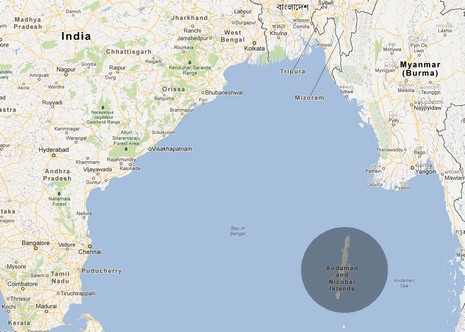
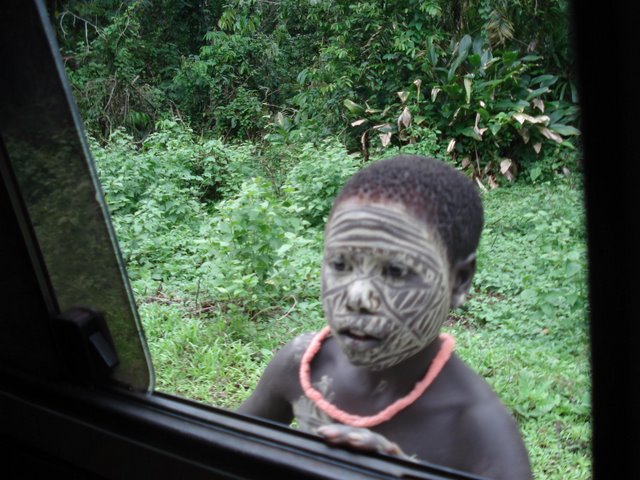
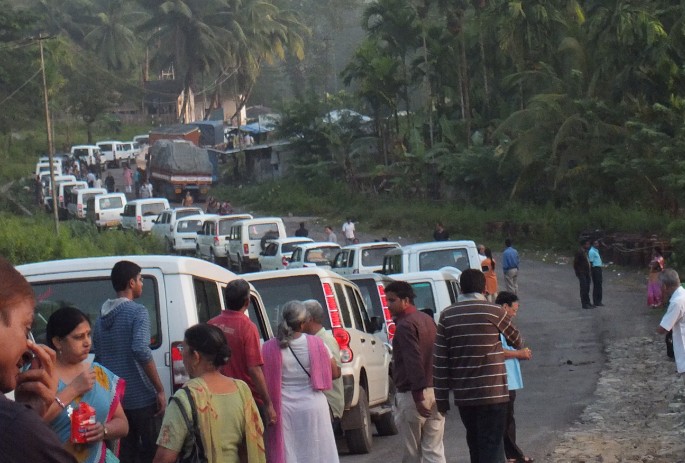
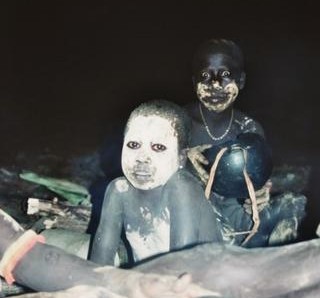
“Human safaris” run by several tourism agencies in the Andaman Islands are endangering the Jarawa Indigenous People who are already on the verge of extinction.
According to Survival International, at least eight companies have been promoting the chance to see or meet a ‘real life’ Jarawa in their tourism packages.
Survival has urged the companies to “put an immediate stop to their tours” which could expose the Jarawa to diseases and common illnesses to which they have little or no immunity.
Such exposure could prove fatal to the Jarawa, who’s population is dwindling at about 240, according to the ministry of tribal affairs in the Adaman Islands.
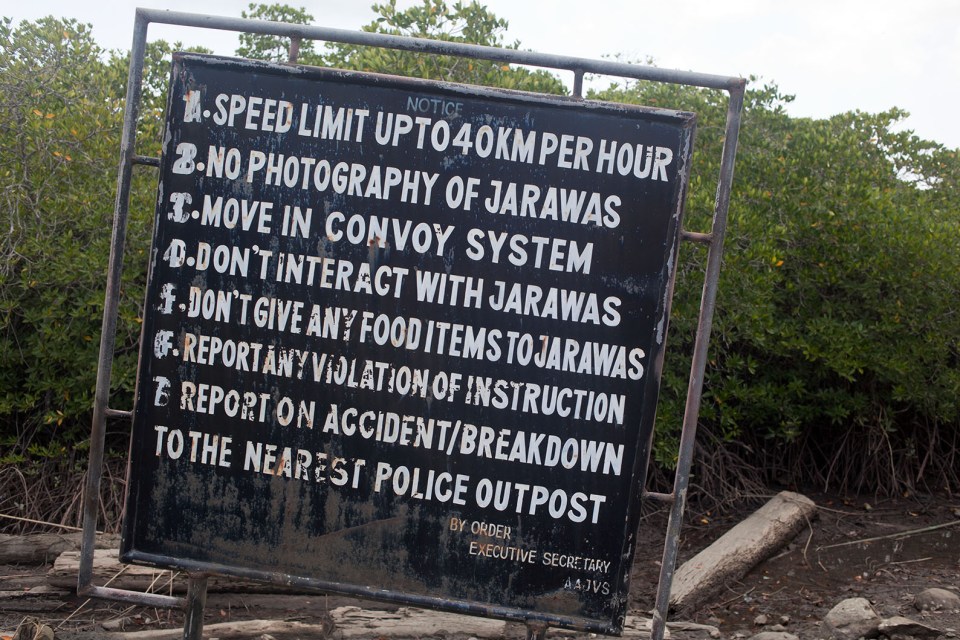
In addition to Survival writing letters to the companies, the government of the Andaman and Nicobar Islands has issued their own warning that “Jarawa tourism” is illegal.
“It has been brought to the notice of the A&N Administration that some of the Tour Operators are promoting tours to the A&N Islands with the inclusion of sightings of, or encounters with, the Jarawa Tribe. These Tour Operators are also reported to have placed contents on the Internet including visits to the Jarawa,” said a press release issued last month.
The warning goes on to state that indigenous lands on the islands are legally protected under the A&N Island (Protection of Aboriginal Tribes) Regulations 1956 and that the Jarawa People are not to be promoted as a “Tourist Attraction” under any circumstances.
Fortunately, four of the eight companies known to promote Jarawa tourism on the Internet have taken down the offending material; and according to Survival, one more company, Andaman Island Adventure, has just announced that it will stop promoting the tours altogether.
“Three other companies, Explore Andaman with Kariappa, Rhino Jungle Adventures and Offbeat Andaman Vacations, [still] promote the tours online,” says Survival, adding, “Many more companies sell such tours from their shops in the Andaman Islands.” A luxury tourist resort owned by the Indian travel company Barefoot has also been opened near the Jarawa’s territory.
Tourism is one of several key threats to the Jarawa, who’s lands have been steadily encroached upon since a road was built through their territory in the 1970s. Up to this point, the Jarawa were living in voluntarily isolation.
“The Jarawa people lived successfully on their island without contact with outsiders for probably about 55,000 years, until 1998. Today, a road runs right through their forest home, and they risk decimation by disease. They call themselves the Ang, which means ‘human being’, yet they are being ogled at like animals in a game reserve,” said Stephen Corry, Survival’s director.
Meanwhile, since the road was built, the Jawara have been witness to the steady encroachment of settlers, poachers and loggers, who pose the same risk of decimation.
The inherent risk should have been almost completely subdued in 2002, thanks to a supreme court ruling which ordered the road to be shut down. However, to date, the government has ignored the ruling.
According to AFP, the Italian oil group ENI has also begun prospecting for oil and gas in the region–posing an even greater risk to the Indigenous Population.
Across the world right now, Indigenous peoples are facing a renewed assault on their lands, rights, and ways of life.
From extractive industries pushing deeper into ancestral territories, to governments rolling back hard-won protections,
the threat is global—and it is growing.
What makes this moment especially dangerous is how little attention it receives.
Stories like this are disappearing in real time. Mainstream media
barely covers it and the coverage is fragmented. The public is left without the context
needed to understand what is truly at stake.
That is exactly why IC Magazine exists..
For more than 20 years, IC has reported on Indigenous struggles worldwide — consistently, independently, and without compromise.
We don’t follow news cycles; we trace patterns. We don’t sensationalize; we provide context.
And when the world looks away, we stay focused.
But this work is increasingly difficult to sustain.
We refuse to lock our reporting behind a paywall. We don’t sell access through subscriptions.
And we don’t answer to advertisers. IC Magazine survives solely because readers like you choose to
support independent Indigenous journalism.
Please donate today if you can. Every contribution helps us to continue this crucial work.
Thank you,
John Ahni Schertow
Founder and Editor in Chief