Last Updated on August 4, 2018
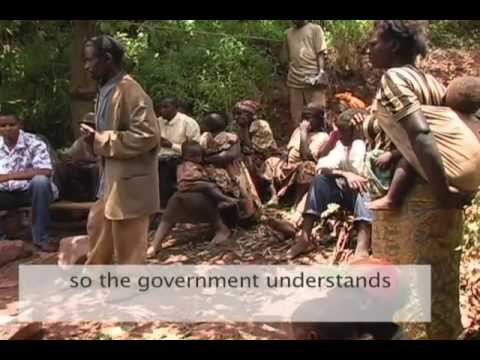
This is the trailer for the film A Thousand Suns by the Global Oneness Project. You can watch the full film at www.imdb.com
A Thousand Suns tells the story of the Gamo Highlands of the African Rift Valley and the unique worldview held by the people of the region. This isolated area has remained remarkably intact both biologically and culturally. It is one of the most densely populated rural regions of Africa yet its people have been farming sustainably for 10,000 years.
Shot in Ethiopia, New York and Kenya, the film explores two interrelated threats to the Gamo Highlands: 1) the evangelistic aspirations of the protestant church that are destroying the Gamos indigenous spirituality and governance systems; and 2) the efforts of the Alliance for a Green Revolution in Africa (AGRA), a Western aid organization which is spending hundreds of millions of dollars bringing chemical pesticides, fertilizers and‚ improved seeds to the continent. Through these external forces we gain insight into the modern worlds untenable sense of separation from and superiority over nature. And we see how the interconnected worldview of the Gamo people is fundamental in achieving long-term sustainability, both in the region and beyond.
For more information about the film, visit www.globalonenessproject.org
Across the world right now, Indigenous peoples are facing a renewed assault on their lands, rights, and ways of life.
From extractive industries pushing deeper into ancestral territories, to governments rolling back hard-won protections,
the threat is global—and it is growing.
What makes this moment especially dangerous is how little attention it receives.
Stories like this are disappearing in real time. Mainstream media
barely covers it and the coverage is fragmented. The public is left without the context
needed to understand what is truly at stake.
That is exactly why IC Magazine exists..
For more than 20 years, IC has reported on Indigenous struggles worldwide — consistently, independently, and without compromise.
We don’t follow news cycles; we trace patterns. We don’t sensationalize; we provide context.
And when the world looks away, we stay focused.
But this work is increasingly difficult to sustain.
We refuse to lock our reporting behind a paywall. We don’t sell access through subscriptions.
And we don’t answer to advertisers. IC Magazine survives solely because readers like you choose to
support independent Indigenous journalism.
Please donate today if you can. Every contribution helps us to continue this crucial work.
Thank you,
John Ahni Schertow
Founder and Editor in Chief