
Last Updated on November 13, 2016
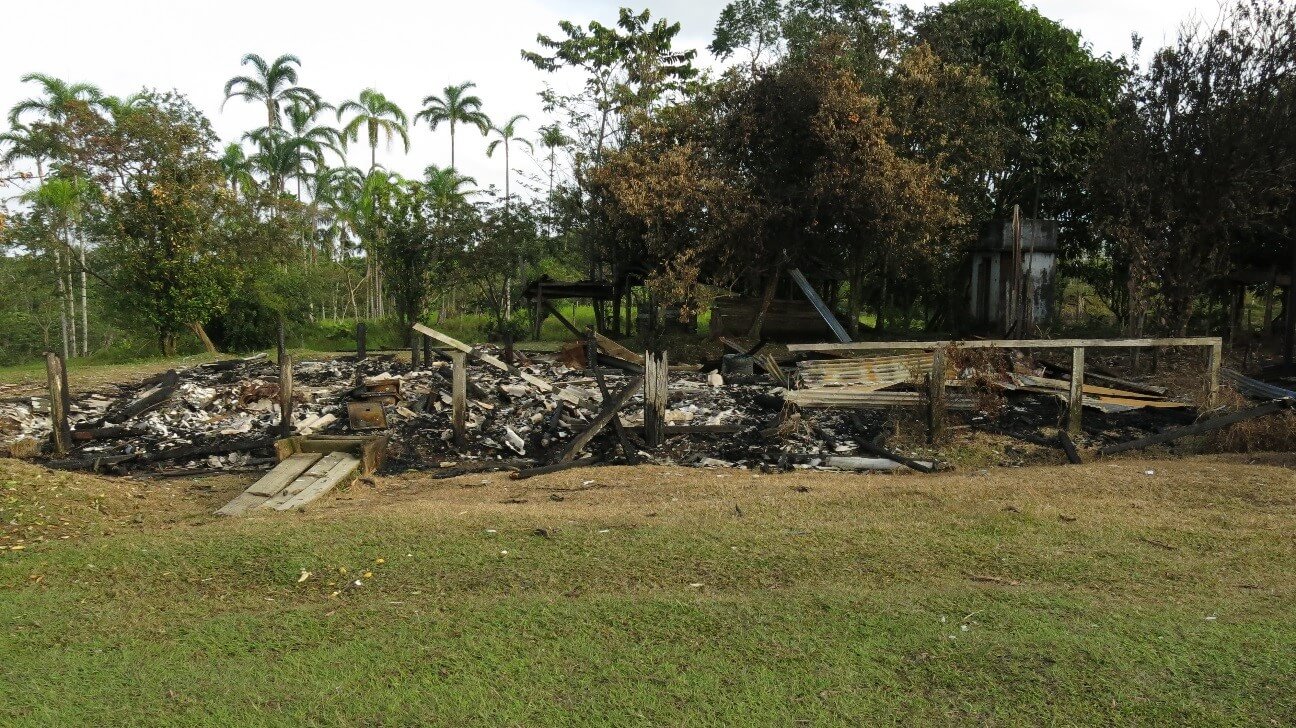
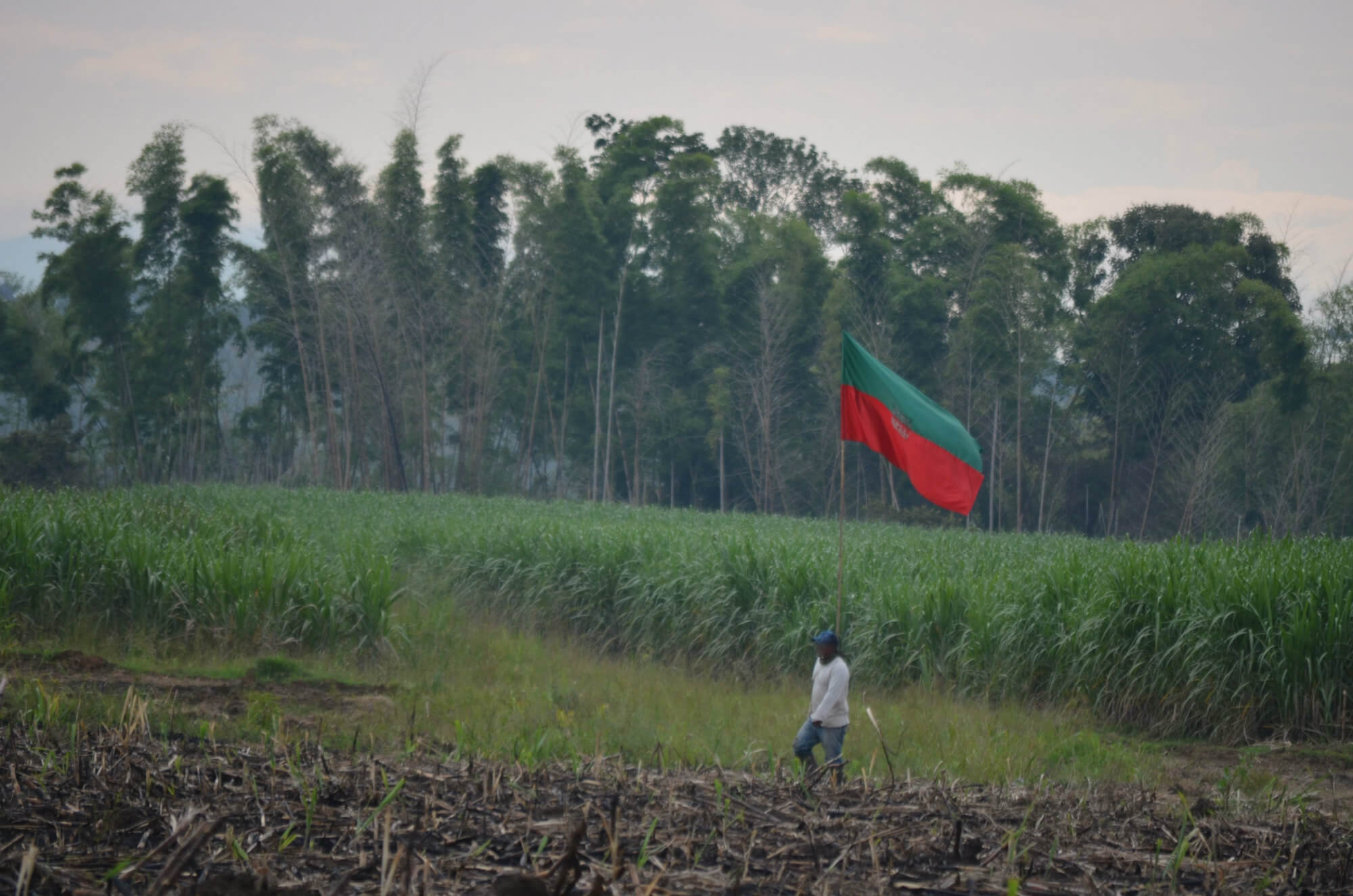
The province of Cauca, located in the heart of the Colombian Andes, faces in a state of emergency. The country’s main challenges are at stake in the region: armed conflict, drug trafficking, forced displacement, production of biofuels, mega-mining, and struggles for territory, autonomy and the survival of original peoples. The struggle of Cauca’s Indigenous movement is a reference of resistance in the history of Colombia and the continent.
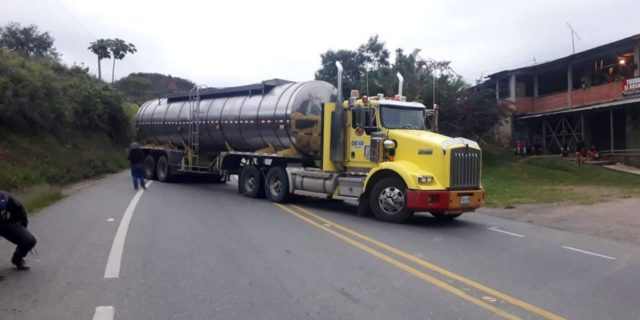
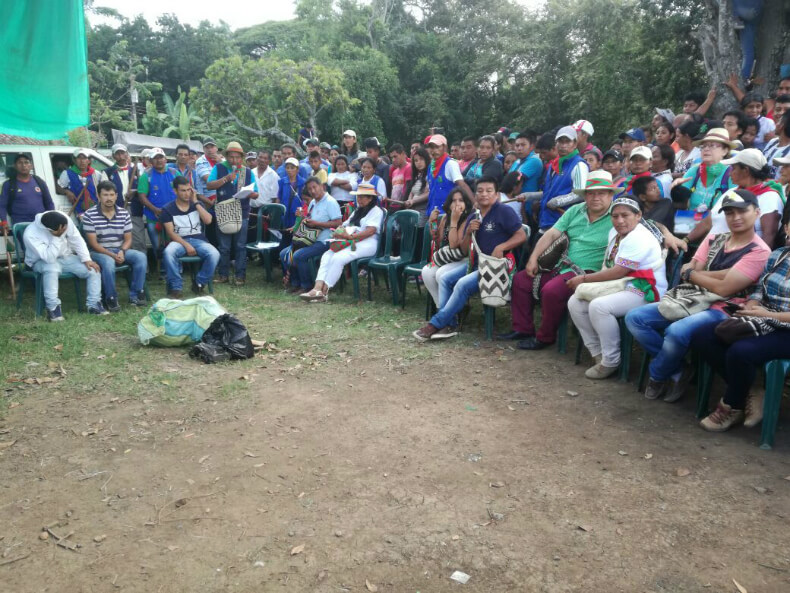
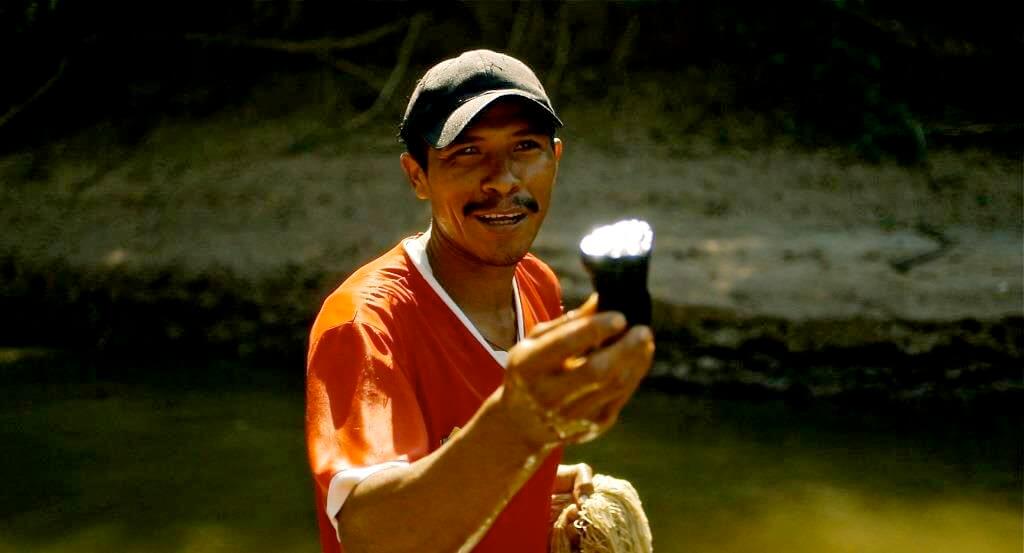
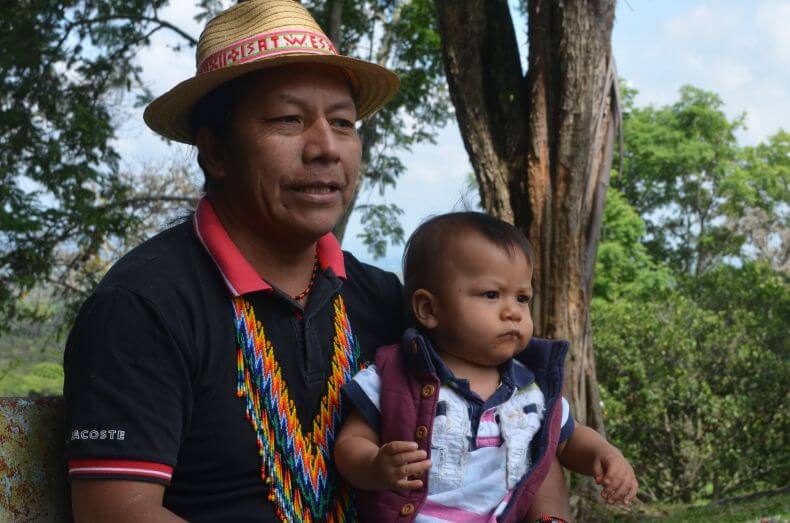
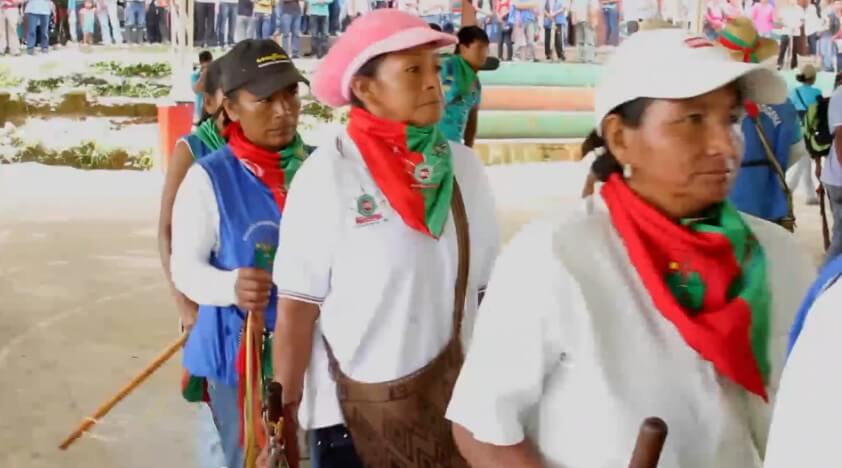
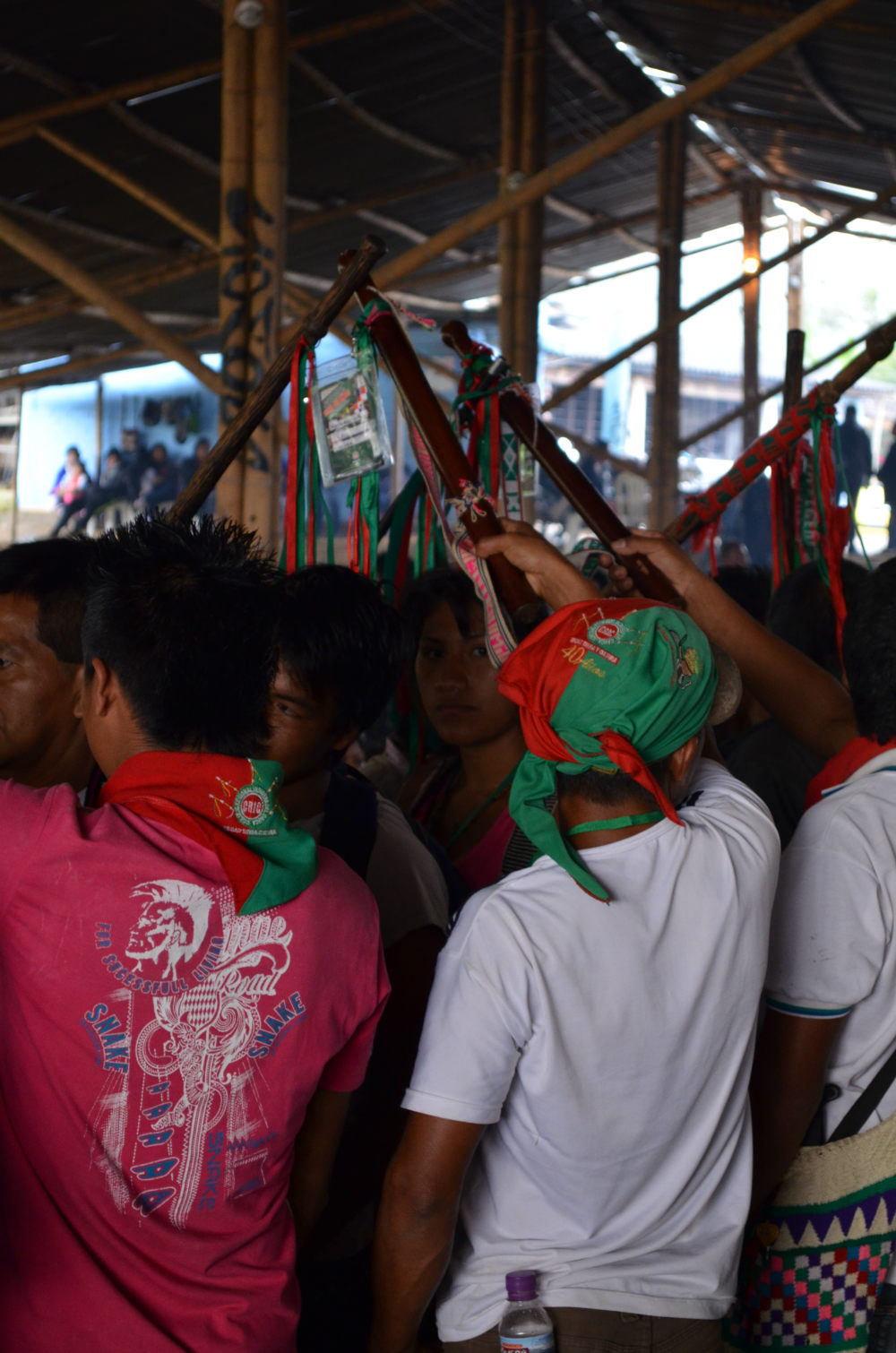
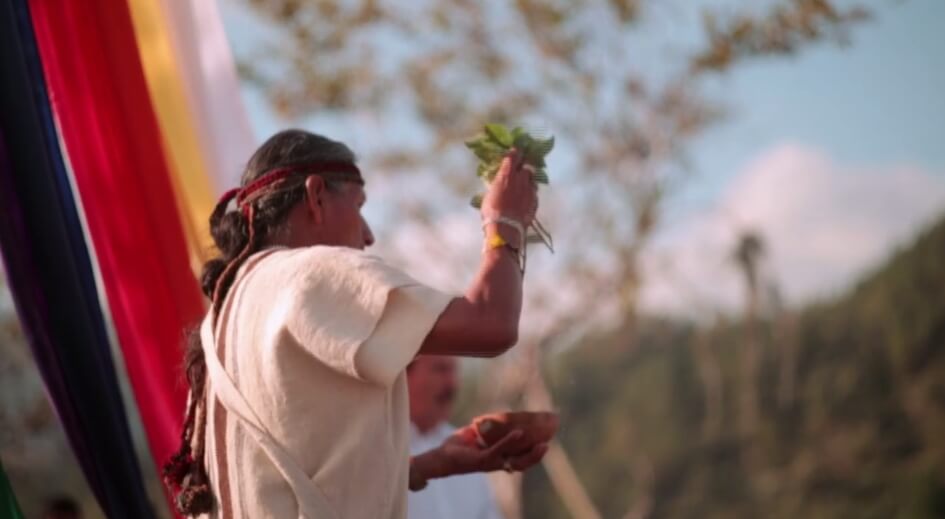
NASA MEANS HUMAN is a photography media project developed mostly between Colombia’s northern Cauca and the capital, Bogotá. It brings together different moment of struggles, from 2015 process “Liberating Mother Earth”, the defense for autonomy in the full exercise of Indigenous jurisdiction and social mobilization, and expression of Nasa cosmovision.
Across the world right now, Indigenous peoples are facing a renewed assault on their lands, rights, and ways of life.
From extractive industries pushing deeper into ancestral territories, to governments rolling back hard-won protections,
the threat is global—and it is growing.
What makes this moment especially dangerous is how little attention it receives.
Stories like this are disappearing in real time. Mainstream media
barely covers it and the coverage is fragmented. The public is left without the context
needed to understand what is truly at stake.
That is exactly why IC Magazine exists..
For more than 20 years, IC has reported on Indigenous struggles worldwide — consistently, independently, and without compromise.
We don’t follow news cycles; we trace patterns. We don’t sensationalize; we provide context.
And when the world looks away, we stay focused.
But this work is increasingly difficult to sustain.
We refuse to lock our reporting behind a paywall. We don’t sell access through subscriptions.
And we don’t answer to advertisers. IC Magazine survives solely because readers like you choose to
support independent Indigenous journalism.
Please donate today if you can. Every contribution helps us to continue this crucial work.
Thank you,
John Ahni Schertow
Founder and Editor in Chief