Last Updated on October 20, 2012
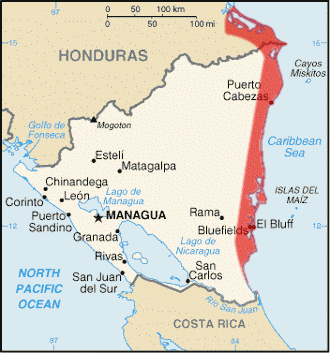
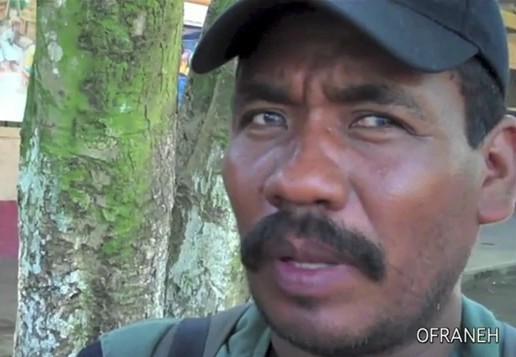
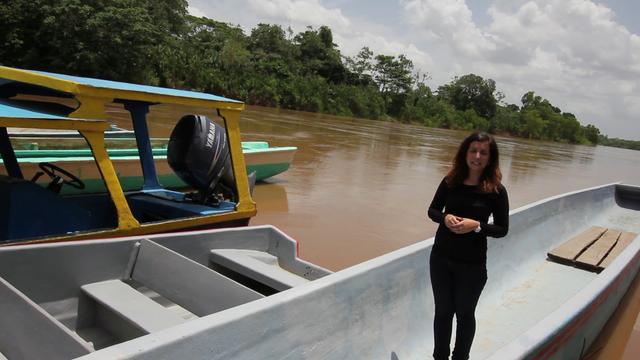
Broken Anvil takes you deep inside the Miskitu coast of Honduras, to ground zero of the Drug Enforcement Administration (D.E.A.)’s Operation Anvil in which four innocent people were killed, including two pregnant women, a child and a young father. Features interviews and first hand testimony from the survivors of the May 11 massacre. This is part one of the documentary. Other parts will follow as the become available.
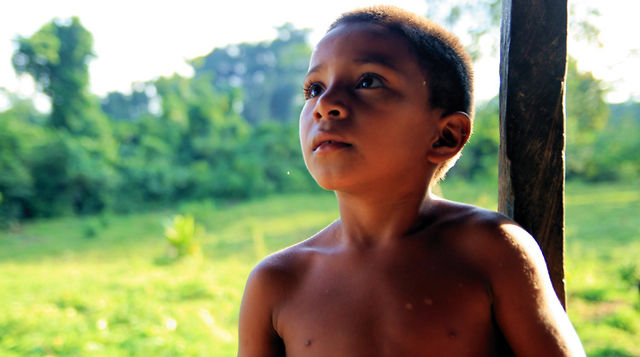
The remote community of Ahuas, Honduras is located deep inside the country’s Miskitu coast, a tightly-woven indigenous community long forgotten by government help but also by crime. In contrast to the rest of the country, which boasts the highest murder rate per capita in the world, Ahuas is a peaceful place with deep family ties.
But that changed in the early morning hours of May 11, when soldiers opened fire from U.S. government helicopters, killing four people, including two pregnant women, a child and a young father.
Now Ahuas and the Moskitia have become ground zero in the Drug Enforcement Administration (D.E.A.)’s Operation Anvil and the broader U.S. war on drugs—changing the lives of the gente del Rio—River People—forever.
For more information, please visit www.RightsAction.org
Across the world right now, Indigenous peoples are facing a renewed assault on their lands, rights, and ways of life.
From extractive industries pushing deeper into ancestral territories, to governments rolling back hard-won protections,
the threat is global—and it is growing.
What makes this moment especially dangerous is how little attention it receives.
Stories like this are disappearing in real time. Mainstream media
barely covers it and the coverage is fragmented. The public is left without the context
needed to understand what is truly at stake.
That is exactly why IC Magazine exists..
For more than 20 years, IC has reported on Indigenous struggles worldwide — consistently, independently, and without compromise.
We don’t follow news cycles; we trace patterns. We don’t sensationalize; we provide context.
And when the world looks away, we stay focused.
But this work is increasingly difficult to sustain.
We refuse to lock our reporting behind a paywall. We don’t sell access through subscriptions.
And we don’t answer to advertisers. IC Magazine survives solely because readers like you choose to
support independent Indigenous journalism.
Please donate today if you can. Every contribution helps us to continue this crucial work.
Thank you,
John Ahni Schertow
Founder and Editor in Chief