Last Updated on April 7, 2025
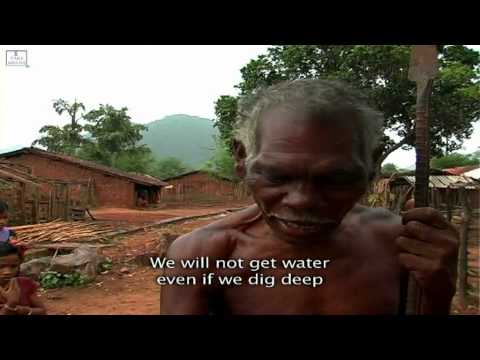
On Wednesday, hundreds of children between the ages of 5 and 12 demonstrated against a proposed steel plant, in Orissa, India.
from http://www.andhracafe.com After walking across five villages including Trilochanpur, Patana and Govindpur, the children congregated at Dhinkia village. They were protesting under the banner of POSCO Pratirodh Sangram Samiti (PPSS), the main organisation opposing the project in the district.
The children shouted slogans against POSCO, holding placards and distributing leaflets, the police official said. Some children also delivered speeches.
‘I am ready to give my life with my parents because we will lose everything if the plant starts,’ Sujit Das, 5, a Class 1 student of Dhinkia Primary School told IANS.
‘We have had no peace since the day the state government signed a deal with the company,’ said 7-year-old Lucky Das of the same school. ‘We have almost stopped going to school and have decided to join our parents in the battle…’ (source)
From ActionAid: South Korean steel company POSCO’s mine plans = valued at over US$12 billion and India’s largest foreign investment to date – could displace over 20,000 people in the Indian state of Orissa and lead to environmental problems.
Last month clashes between police and villagers opposed to the project lead to 50 people being injured. Protestors have since blockaded villages in an attempt to keep their land. (source)
Across the world right now, Indigenous peoples are facing a renewed assault on their lands, rights, and ways of life.
From extractive industries pushing deeper into ancestral territories, to governments rolling back hard-won protections,
the threat is global—and it is growing.
What makes this moment especially dangerous is how little attention it receives.
Stories like this are disappearing in real time. Mainstream media
barely covers it and the coverage is fragmented. The public is left without the context
needed to understand what is truly at stake.
That is exactly why IC Magazine exists..
For more than 20 years, IC has reported on Indigenous struggles worldwide — consistently, independently, and without compromise.
We don’t follow news cycles; we trace patterns. We don’t sensationalize; we provide context.
And when the world looks away, we stay focused.
But this work is increasingly difficult to sustain.
We refuse to lock our reporting behind a paywall. We don’t sell access through subscriptions.
And we don’t answer to advertisers. IC Magazine survives solely because readers like you choose to
support independent Indigenous journalism.
Please donate today if you can. Every contribution helps us to continue this crucial work.
Thank you,
John Ahni Schertow
Founder and Editor in Chief