Last Updated on May 18, 2019
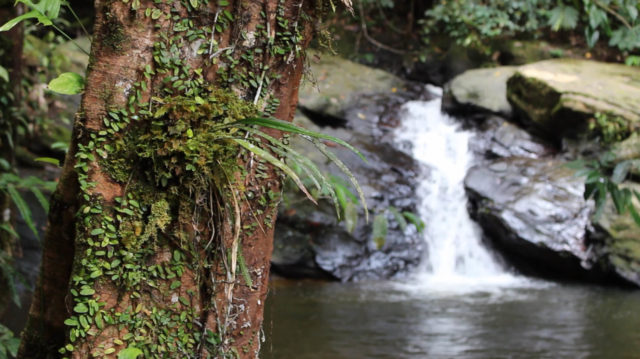
US-based NGO The Borneo Project presents Commerce or Corruption? The economics of mega-dams. The film is the second in a series of short documentaries exposing the dark realities of proposed mega-dam construction in the state of Sarawak in Malaysian Borneo. If built, these dams will force tens of thousands of indigenous people people from their land, drive untold numbers of species to extinction, pollute rivers — the lifelines of the jungle — and produce more greenhouse gas emissions per megawatt of energy than a coal-fired power plant.
“Commerce or Corruption” features interviews with industry experts, researchers, NGOs and indigenous peoples. It highlights the risks associated with investing in mega-dam construction in the state, and also offers alternative energy options that are both environmentally sustainable and community-friendly.
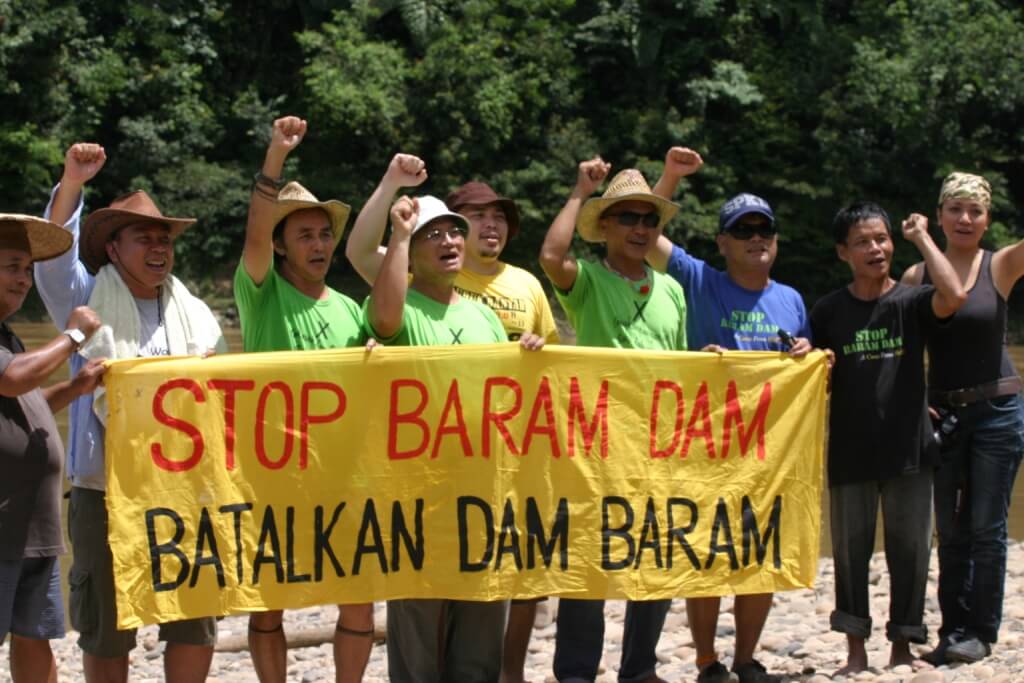
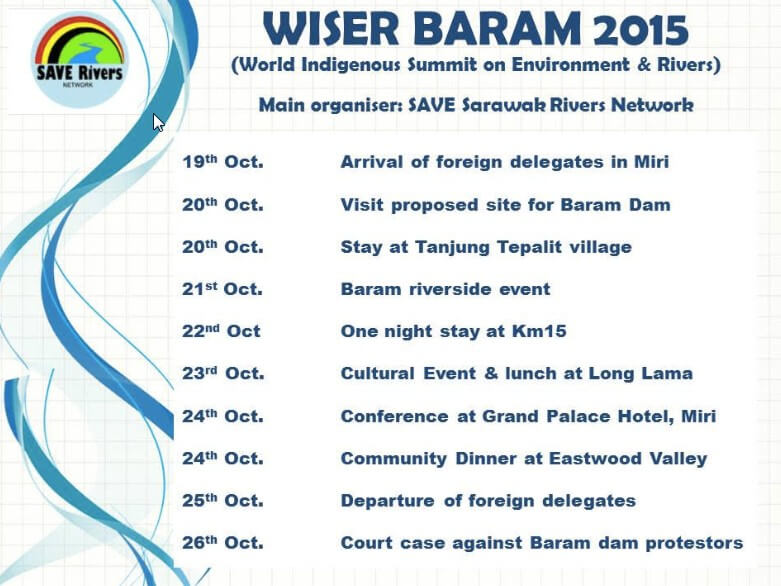
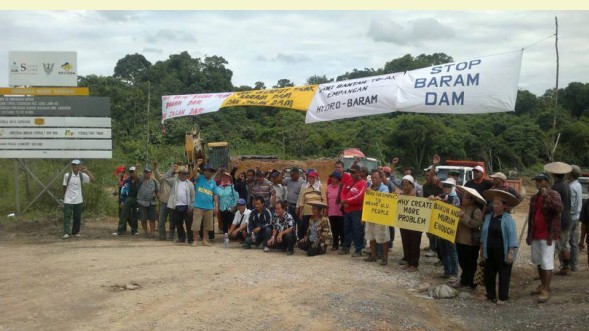
The government of Sarawak has already built two out of the twelve proposed dams, but local resistance has stalled progress on the next dams scheduled to flood the forest. Since October 2013, indigenous communities have prevented construction of the Baram mega-dam, which would forcefully displace thousands of families. Commerce or Corruption? is released on the 555th day of the Baram Dam blockades.
If completed, the Baram Dam will inundate 26 villages and displace 6,000 to 20,000 people. The blockades are maintained by indigenous Kenyah, Kayan, and Penan people and demonstrate the tremendous local opposition to dam development.
Despite the massive damage that these dams would inflict on local communities and the environment, the benefits of construction remain unclear. Construction would also be very expensive, and research shows that mega-projects like these tend not to benefit the economy.
The Borneo Project will release Broken Promises, the third film in the series in July, Broken Promises will highlight the devastating impacts of forced relocation on indigenous communities.
Across the world right now, Indigenous peoples are facing a renewed assault on their lands, rights, and ways of life.
From extractive industries pushing deeper into ancestral territories, to governments rolling back hard-won protections,
the threat is global—and it is growing.
What makes this moment especially dangerous is how little attention it receives.
Stories like this are disappearing in real time. Mainstream media
barely covers it and the coverage is fragmented. The public is left without the context
needed to understand what is truly at stake.
That is exactly why IC Magazine exists..
For more than 20 years, IC has reported on Indigenous struggles worldwide — consistently, independently, and without compromise.
We don’t follow news cycles; we trace patterns. We don’t sensationalize; we provide context.
And when the world looks away, we stay focused.
But this work is increasingly difficult to sustain.
We refuse to lock our reporting behind a paywall. We don’t sell access through subscriptions.
And we don’t answer to advertisers. IC Magazine survives solely because readers like you choose to
support independent Indigenous journalism.
Please donate today if you can. Every contribution helps us to continue this crucial work.
Thank you,
John Ahni Schertow
Founder and Editor in Chief