
Last Updated on April 7, 2015

The Bunun Village of Tungpu
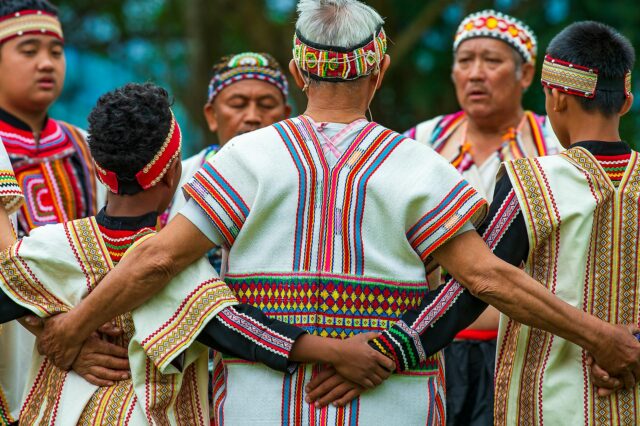
While serving as a Research Fellow and International Conservation Liaison for Yushan National Park in the Central Mountains of Taiwan, I shared a wonderful evening dancing and singing with my Bunun friends in their hot springs village of Tungpu. Part of Tungpu Village lies within Yushan National Park, which is the sacred geography of the Austronesian Bunun Tribe, one of the fifteen Indigenous Peoples of Taiwan—known to a much lesser extent today as Formosa. On the Sunday morning of March 1, 1987, I walked with many Bunun friends to the burial place of their grandparents – istama tina hodas on the grassy hillside of their high mountain village.
I worked with Bunun colleagues and friends at Yushan National Park and they taught me much about life in the highlands. Bunun people are noted for their extraordinary mountaineering skills and my beloved Bunun friend Da Hai climbed Chomolungma, Goddess Mother of the Universe, in the Himalayas. Bunun people are excellent high mountain agriculturists, weavers and basket makers. Their unique songs and musical calls to one another in the hinterlands are a rare treasure to world ethnomusicology.
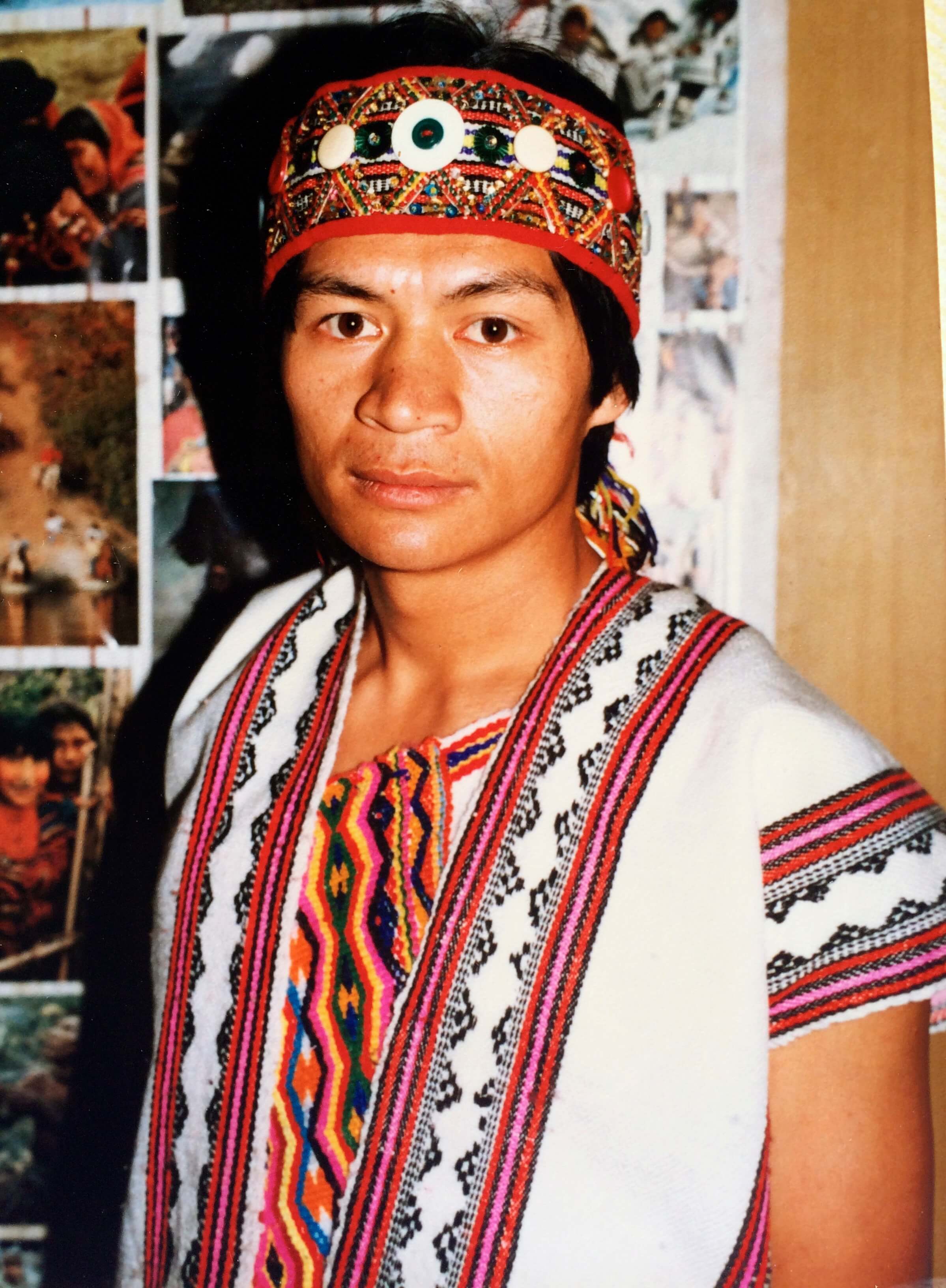
Da Hai
We arrived at the Tungpu Bunun cemetery and were appalled to see many of their ancestors’ graves desecrated. They were dug up, unearthed and destroyed and the holy place was in ruins. I was informed that a hotel was to be constructed on this site and the graves must be moved. My Bunun friends were crying and deeply saddened by this hurtful act. Yet another hotel was to be built in the Bunun hot springs village of Tungpu. Da Hai once told me that there used to be so much natural hot water flowing out of the mountains that whole families could bathe together. Now, on some days there isn’t even a trickle of water for their homes because of all the development.
I published this incident and called a meeting with the Hsinyi, Nantou Provincial Government and Bunun tribal elders, and learned that this atrocity was clearly a violation of human rights and a blatant disregard for Bunun religiosity and cultural norms. The Bunun people of Tungpu were not consulted prior to the demolition of their sacred site and this horrific act is against the government policy of native cultural preservation, protection and respect for Bunun beliefs and life ways. The Superintendent of Yushan National Park failed to express any concern regarding this abominable occurrence against the Indigenous Peoples of Yushan National Park. The preservation of culture is the preservation of life. This is Yushan National Park’s obligatory role.

Bunun students
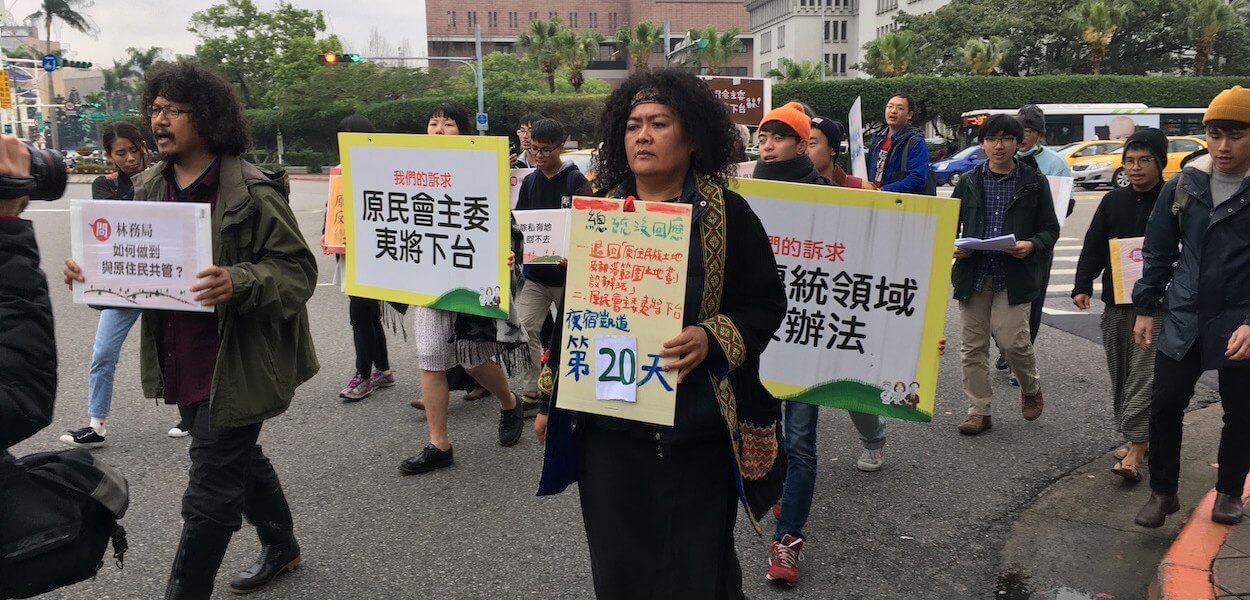
The disgraceful act was illegal and I sought remediation for the crime we witnessed. Support for the Tungpu Bunun Tribe led to peaceful island-wide demonstrations during a time of martial law. Ethnocentrism is a serious disease, which fails to recognize the dignity and diversity of peoples different from one’s own culture. A delegate from the Provincial Government assured me repeatedly that representatives from the Nantou Provincial Government would attend the meeting I scheduled with Bunun tribal elders. However, no one from the Nantou Provincial Government arrived at our meeting. The Nantou Provincial Government did issue a formal public apology to the Bunun Tribe of Tungpu and the graves were refurbished; however, Bunun families were no longer permitted to bury their departed loved ones in the cemetery.
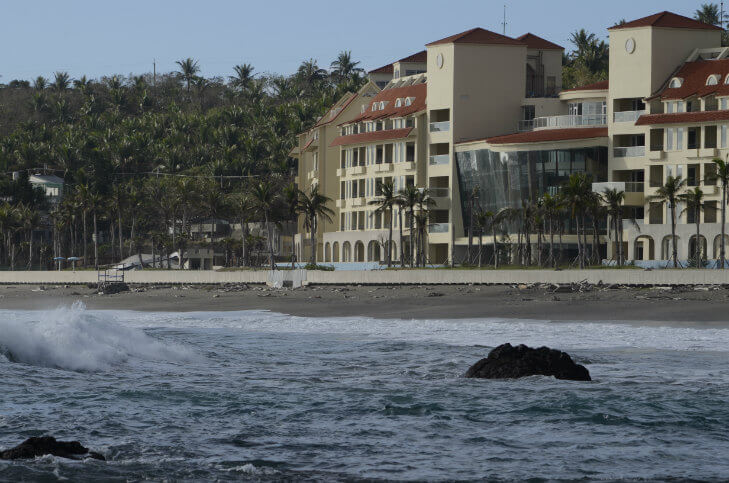
Today, a towering hotel looms large, overshadowing the Tungpu Bunun’s sacred burial place. There continues to be diminishing hot springs water resources for Bunun families of Tungpu in the Central Mountains of Taiwan and the Bunun people must bury their departed ones across the river. To a great extent, the Chinese have misappropriated Bunun lands and resources of Taiwan’s Indigenous Peoples.
Across the world right now, Indigenous peoples are facing a renewed assault on their lands, rights, and ways of life.
From extractive industries pushing deeper into ancestral territories, to governments rolling back hard-won protections,
the threat is global—and it is growing.
What makes this moment especially dangerous is how little attention it receives.
Stories like this are disappearing in real time. Mainstream media
barely covers it and the coverage is fragmented. The public is left without the context
needed to understand what is truly at stake.
That is exactly why IC Magazine exists..
For more than 20 years, IC has reported on Indigenous struggles worldwide — consistently, independently, and without compromise.
We don’t follow news cycles; we trace patterns. We don’t sensationalize; we provide context.
And when the world looks away, we stay focused.
But this work is increasingly difficult to sustain.
We refuse to lock our reporting behind a paywall. We don’t sell access through subscriptions.
And we don’t answer to advertisers. IC Magazine survives solely because readers like you choose to
support independent Indigenous journalism.
Please donate today if you can. Every contribution helps us to continue this crucial work.
Thank you,
John Ahni Schertow
Founder and Editor in Chief