
Last Updated on June 25, 2019
Late last week, the Chile-based oil company GeoPark announced that it is withdrawing its request for an environmental permit to drill for oil in a concession area known as Block 64, located in northern Peru.
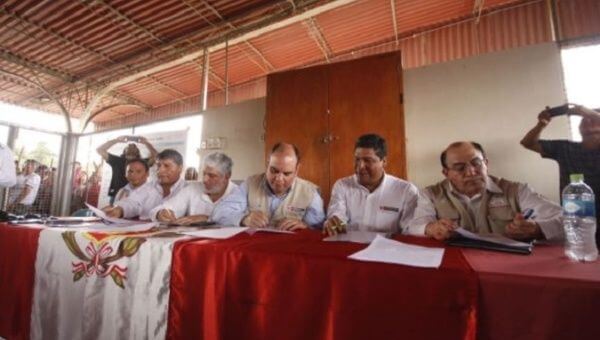
The surprise announcement came one day before community leaders from the Achuar and Wampis were scheduled to meet with environmental authorities in Peru’s capital to discuss their concerns with the company’s Situche Central project.
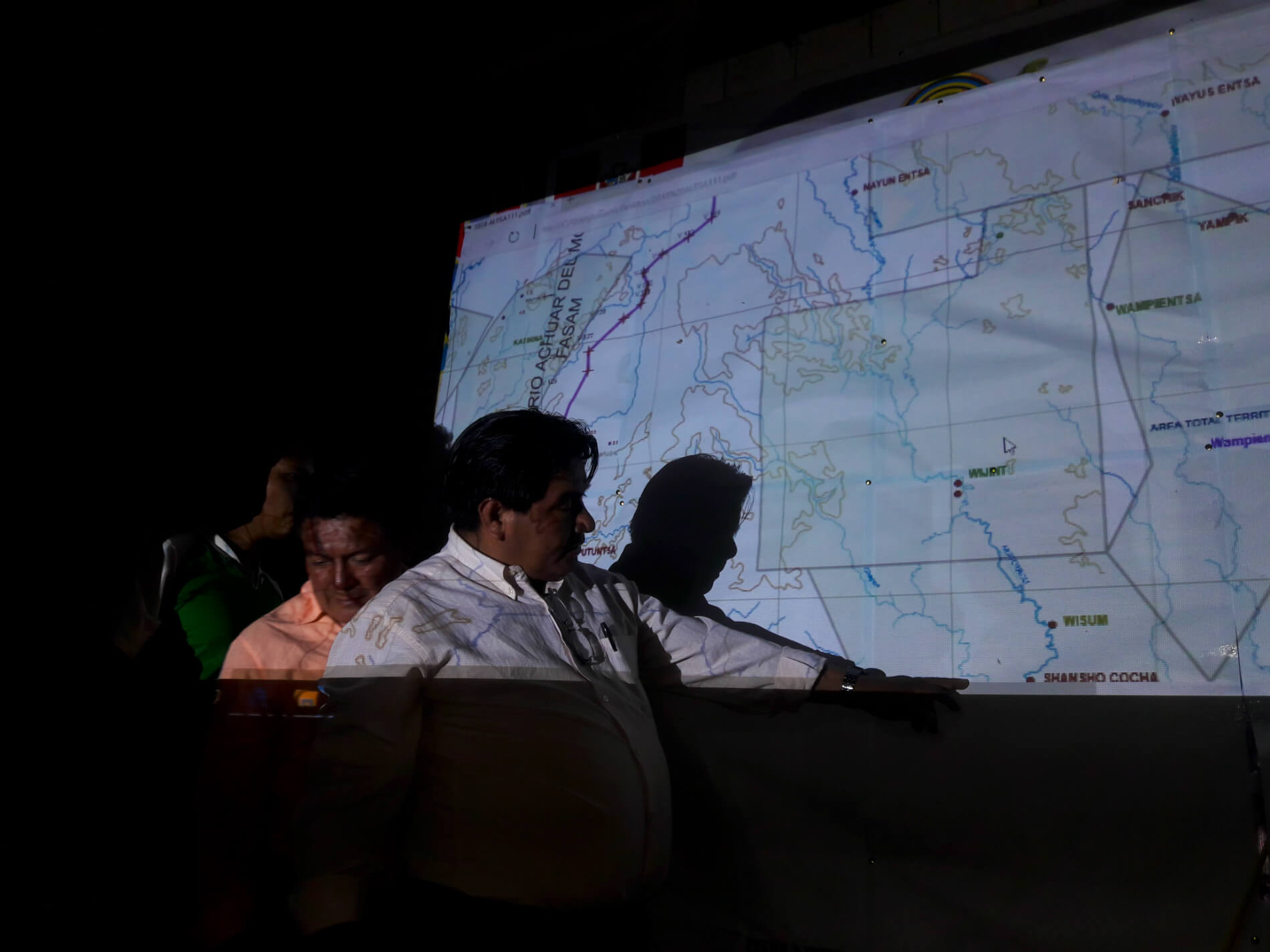
Among those concerns is a 6-inch wide pipeline that would stretch through Achuar territory leading to a military base located inside Wampis territory.
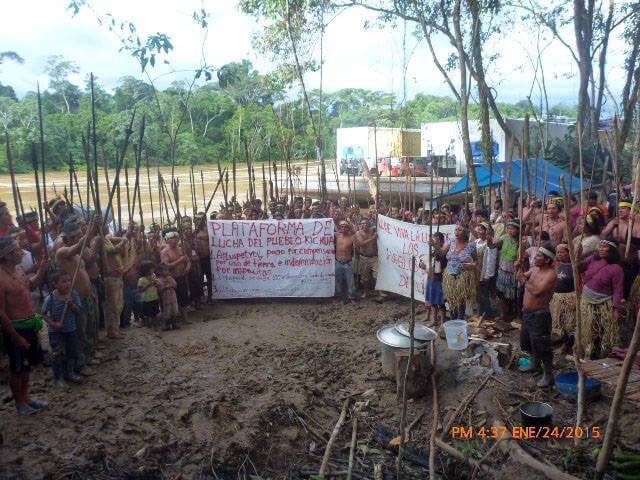
For over a year, the Archuar federation, FENAP, which represents 45 communities within Block 64, has been campaigning alongside the Wampis Nation to stop Geopark from going ahead with its plan.
In November 2018, Intercontinental Cry visited Achuar territory to explore the potential impacts of GeoPark’s proposed project and hear what the Achuar and Wampis have to say.
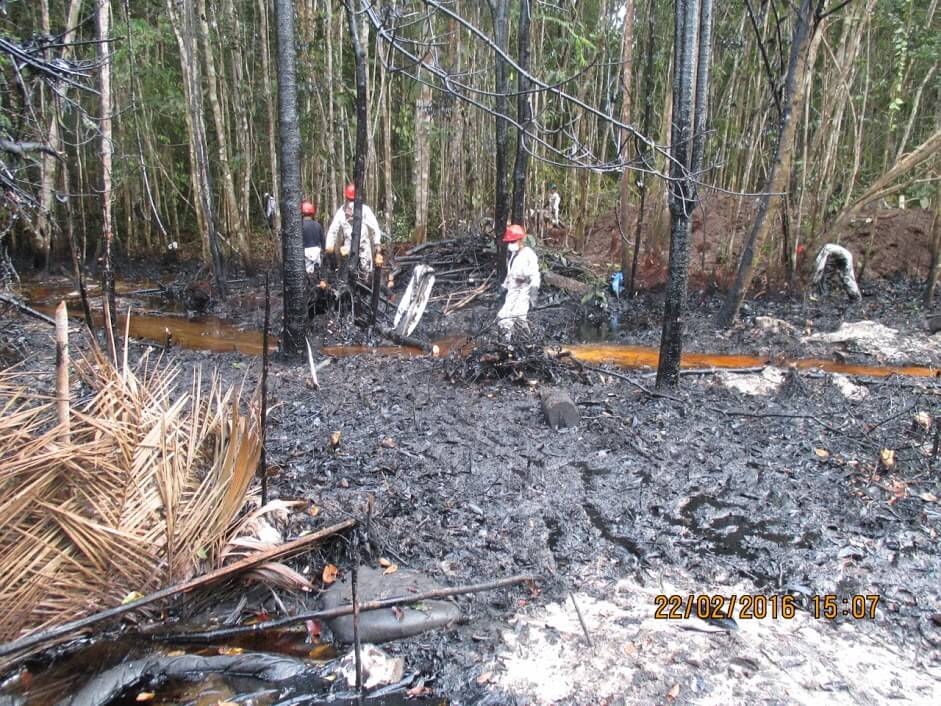
During our time on the ground, we learned that Geopark’s proposed oil platform would be situated close to the community of Putuntsa and would affect the Huasaga, Manchari, and Huitoyacu Rivers on which many indigenous communities depend for fishing and the daily use of water.
We also learned about the socially destructive grand strategy that Geopark deployed to gain social license in a region that has intensely resisted oil companies trying to tap into Block 64.
“Around 2005, the [Canadian] oil company Talisman tried to enter this zone but the mobilization of communities around Situche impeded them. Now GeoPark is trying [to do the same thing],” commented Shiwiant Majian Pusut, president of an organization called The Indigenous Association of Morona (AIM).
“They are using the same strategies as the [other] oil companies that tried to come into our territory. They are dividing us between the Achuar of the Pastaza basin and the Achuar of the Morona basin, who are very close to the area where GeoPark wants to operate. They have divided us between those who are in favor and those who are opposed. They’ve even said that the Peruvian Army is going to come in to evict the Achuar of the Pastaza. Please, we’re asking everyone to see our situation and to help us. We just want to live and oil is death,” Shiwiant added.
As the Center for Public Policy and Human Rights (Equidad Perú) noted in a report earlier this year, Geopark and the national oil company PetroPeru went so far as to hire a consultancy firm that specializes in creating “new leadership structures within social groups that are aligned with the interests of the client”. Additionally, the company backed opportunistic “phantom” organizations in the region to help the oil project gain “social license” and it provided legal services to help neighboring indigenous communities expand land titles in contested areas.
Following our visit to Achuar territory, GeoPark suffered a six-month setback after the Achuar challenged the company’s environmental impact study (EIS) though a series of documented objections that forced GeoPark to respond.
On Thursday, the company said in a statement that it still wants to tap Block 64, but it must first incorporate more information into its environmental plan.
“GeoPark withdrawing their sham environmental impact study is an important step”, Amazon Watch said in a statement. “But nothing short of the definitive cancellation of the Situche Central project … will satisfy the local indigenous vision of defending their culture, territory, and rainforest homelands.”
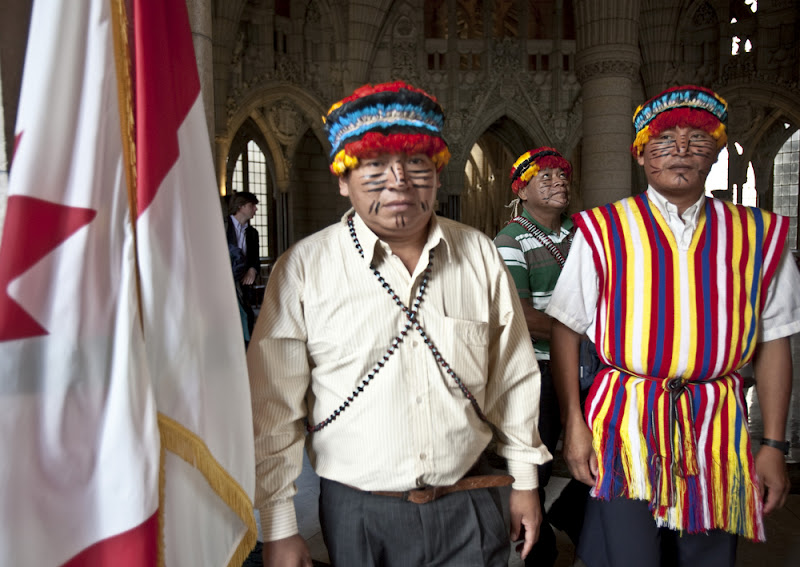
This week, the Achuar and their Wampis allies will attend Geopark’s annual meeting in Chile where they will confront the company’s senior management.
Across the world right now, Indigenous peoples are facing a renewed assault on their lands, rights, and ways of life.
From extractive industries pushing deeper into ancestral territories, to governments rolling back hard-won protections,
the threat is global—and it is growing.
What makes this moment especially dangerous is how little attention it receives.
Stories like this are disappearing in real time. Mainstream media
barely covers it and the coverage is fragmented. The public is left without the context
needed to understand what is truly at stake.
That is exactly why IC Magazine exists..
For more than 20 years, IC has reported on Indigenous struggles worldwide — consistently, independently, and without compromise.
We don’t follow news cycles; we trace patterns. We don’t sensationalize; we provide context.
And when the world looks away, we stay focused.
But this work is increasingly difficult to sustain.
We refuse to lock our reporting behind a paywall. We don’t sell access through subscriptions.
And we don’t answer to advertisers. IC Magazine survives solely because readers like you choose to
support independent Indigenous journalism.
Please donate today if you can. Every contribution helps us to continue this crucial work.
Thank you,
John Ahni Schertow
Founder and Editor in Chief