Last Updated on August 1, 2025
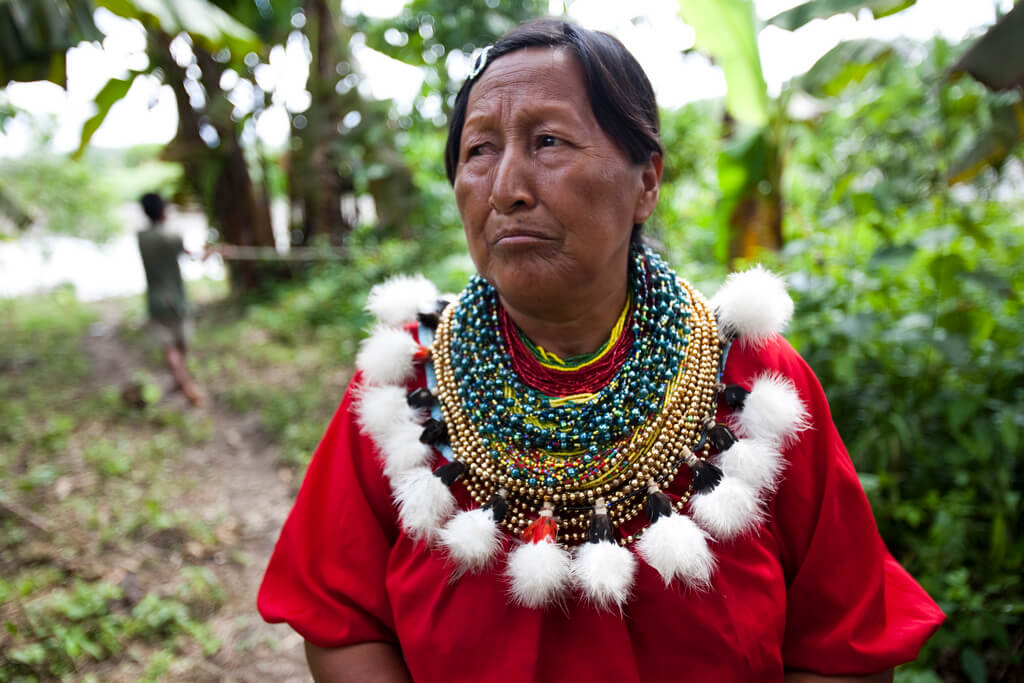
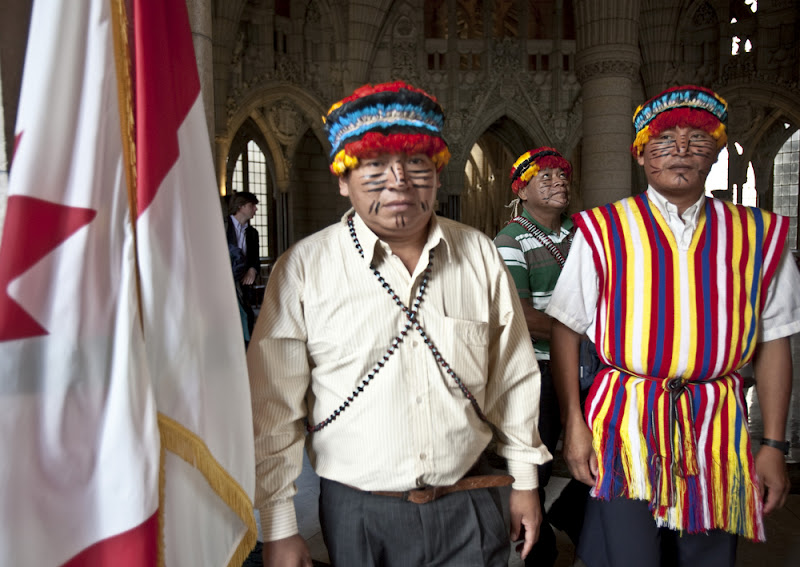
Oakland, CA – In a bold move that sets the stage for escalating conflict in the Amazon, Indigenous governments in northern Peru have denounced a new oil pact between Peru and Ecuador as a direct threat to their rights, lands, and survival.
The Achuar, Wampis, and Chapra nations are sounding the alarm after Peruvian President Dina Boluarte announced a binational agreement to transport Ecuadorian crude through Peru’s notoriously leaky North Peruvian Pipeline – a move they say was made without their consent and in blatant violation of national and international law.
As global pressure to phase out fossil fuels grows, this cross-border oil expansion risks deepening the already significant wave of environmental, legal, and political backlash across the Amazon.
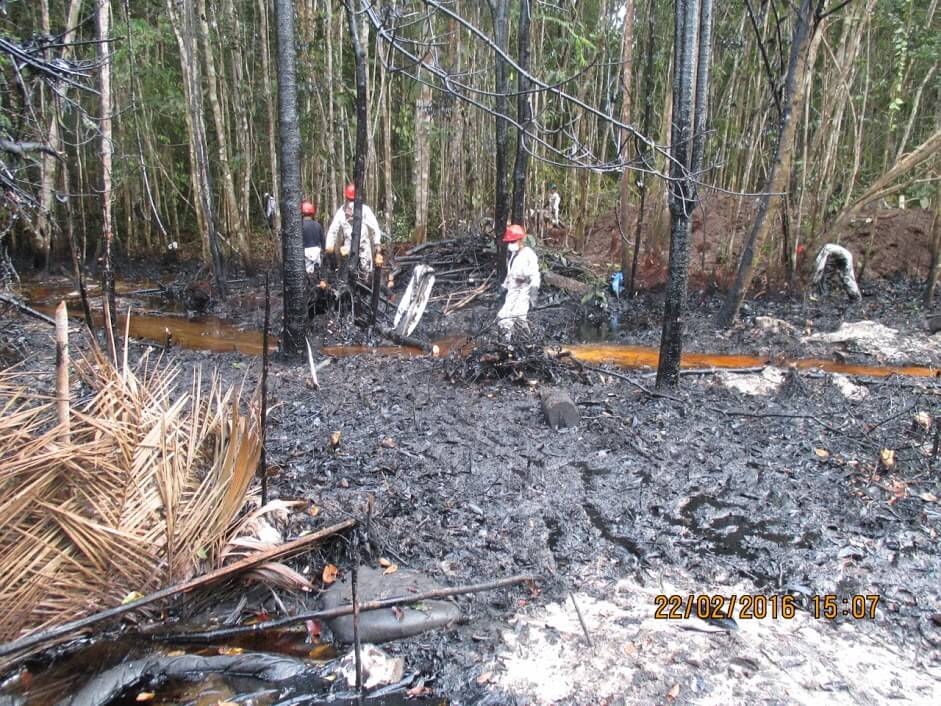
The North Peruvian Pipeline, operated by state-owned Petroperú, is plagued by chronic failures, averaging 146 spills each year and contaminating rivers, farmland, and Indigenous territories. Expanding its use would amplify the existing environmental crisis and violate Indigenous rights protected under national and international law.
The affected Indigenous nations have not granted FPIC, as required by ILO Convention 169 and the U.N. Declaration on the Rights of Indigenous Peoples. This lack of consent puts any related investment or development at serious legal risk, including potential lawsuits and contract nullification.
“Without our consent, this project has no legitimacy,” leaders stated. “Investors must be warned: any deal built on rights violations is built on quicksand.”
Petroperú is under mounting pressure to profit and pay its massive debts due its costly Talara Refinery – by far its largest asset. Financial institutions, such as U.S. and European banks, supported the project’s buildout, despite the company’s toxic legacy of oil contamination.
The megaproject, budgeted at a staggering $6.5 billion, relies on refining Amazon crude and pushes for expansion in the Peruvian Amazon, such as Block 64 which spans over 760,000 hectares. Due to repeated and unanimous opposition of Indigenous groups however, the block’s recent auction failed to attract a single bid.
“Fossil fuel expansion in ecologically sensitive and critical ecosystems undermines Peru’s climate commitments and is risky business for financiers and investors. Block 64’s failed bid is a prime example of how stark local opposition can render oil extraction unviable.”
Now, Petroperú turns its attention to sourcing Ecuadorian crude, with Peru’s Ministry of Economy and Finance stating that the deal aims to increase production at its refineries and would “allow it to pay its commitments and debts.”
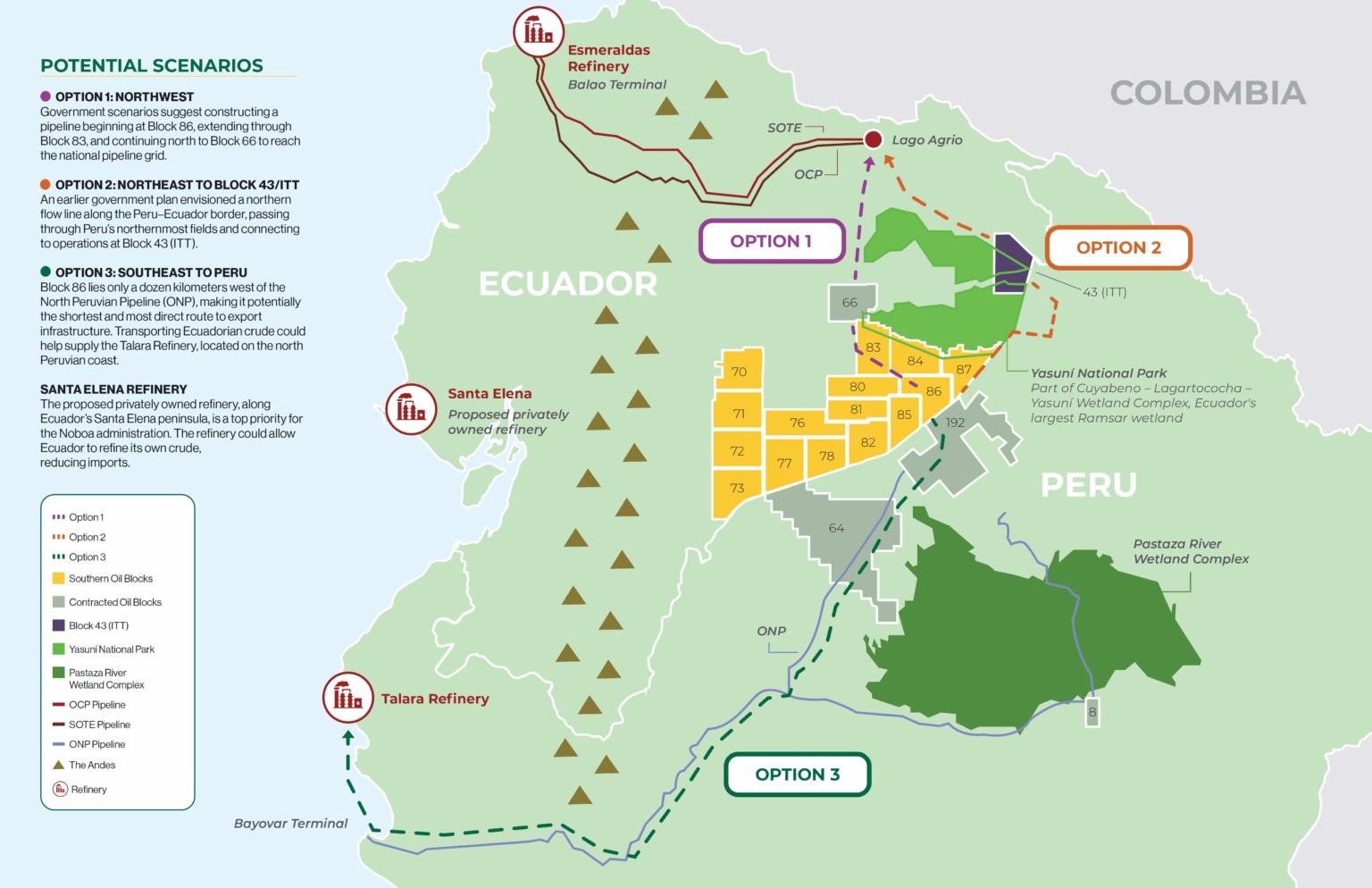
This announcement coincides with Ecuador’s plans to launch a major oil tender of 14 blocks over 2.3 million hectares in the country’s southeastern Amazon along the border with Peru in early 2026.
The blocks overlap the territories of seven Indigenous nationalities who have not been consulted or provided their consent. Previous government attempts to auction the blocks faced legal challenges, protests, and failed to generate investor interest.
Across the world right now, Indigenous peoples are facing a renewed assault on their lands, rights, and ways of life.
From extractive industries pushing deeper into ancestral territories, to governments rolling back hard-won protections,
the threat is global—and it is growing.
What makes this moment especially dangerous is how little attention it receives.
Stories like this are disappearing in real time. Mainstream media
barely covers it and the coverage is fragmented. The public is left without the context
needed to understand what is truly at stake.
That is exactly why IC Magazine exists..
For more than 20 years, IC has reported on Indigenous struggles worldwide — consistently, independently, and without compromise.
We don’t follow news cycles; we trace patterns. We don’t sensationalize; we provide context.
And when the world looks away, we stay focused.
But this work is increasingly difficult to sustain.
We refuse to lock our reporting behind a paywall. We don’t sell access through subscriptions.
And we don’t answer to advertisers. IC Magazine survives solely because readers like you choose to
support independent Indigenous journalism.
Please donate today if you can. Every contribution helps us to continue this crucial work.
Thank you,
John Ahni Schertow
Founder and Editor in Chief