
Last Updated on August 6, 2014
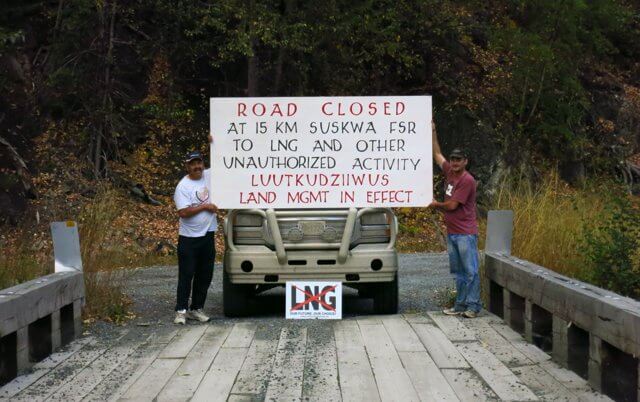
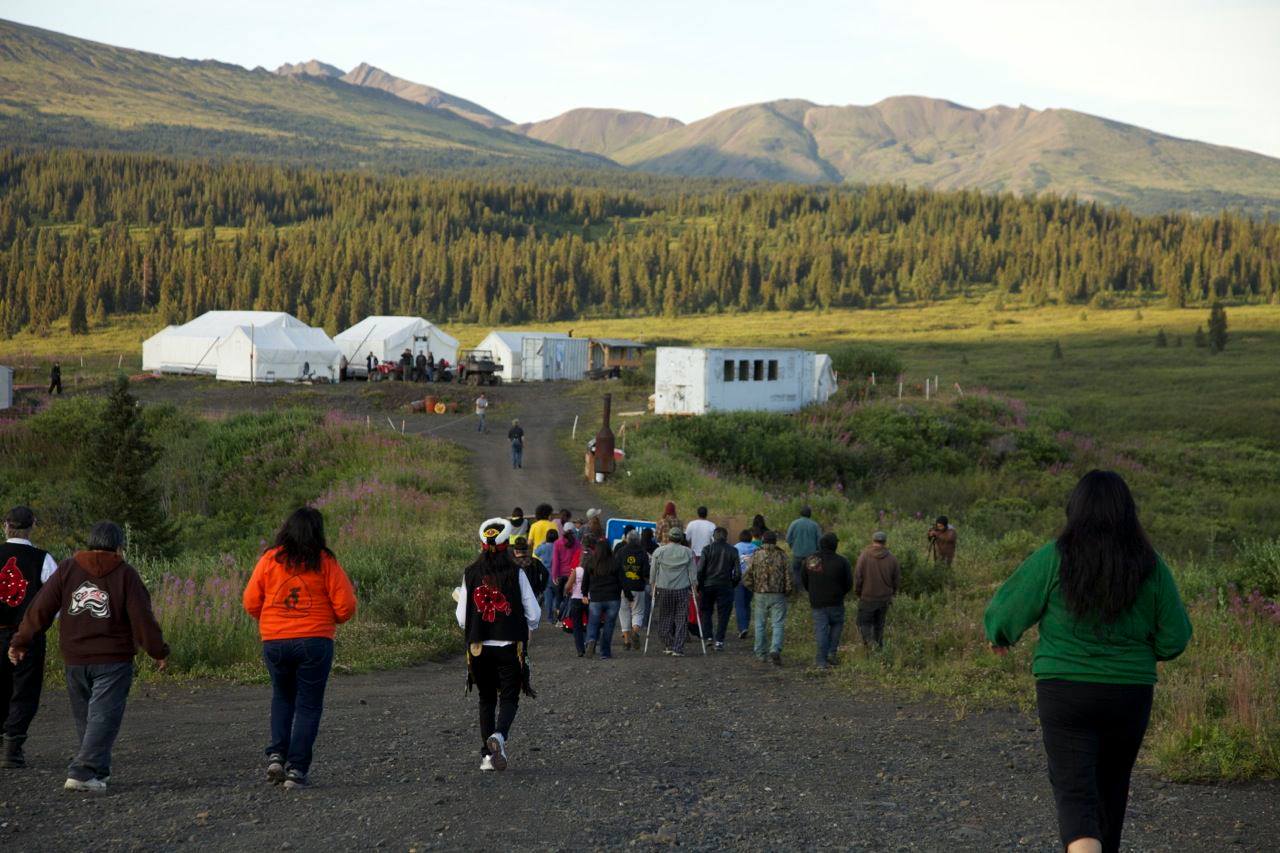
GITXSAN TERRITORIES – At a duly convened meeting of the Gimlitxwit on July 30, 2014, the Gitxsan Hereditary Chiefs voted unanimously (54 Hereditary Chiefs) to enforce the eviction notice served on all sports fisheries, Forest Industry and CN Rail, on July 9, 2014, to vacate and cease all activities on Gitxsan traditional territories on or before August 4, 2014. (The 33,000 sq km of Gitxsan territories are located in northwestern BC, to the east, near Smithers; to the west, near Terrace; to the north near Iskut, and northeast of Thudade Lake and Bear Lake.)
This day marks the deadline set by the Gitxsan Hereditary Chiefs asking Canada and BC to remove Gitxsan Lands from their offer to neighboring Indian Bands.
“The Liability rests with Canada and B.C” says negotiator Gwaans (Beverley Clifton Percival) “We have been reasonable and participated in Good Faith articulating our interests and desire to achieve reconciliation ”.
“The Crown created this situation and it rests with them to make it right” said Tenimgyet (Art Matthews) “The Crown has put the Gitxsan in a very serious situation – we must protect our section 35 rights”.
“The courts have ruled that activity on Gitxsan land requires consent – this is in line with Gitxsan Ayookw and we are prepared to deal with development on our laxyip.” states Sagum Higookw (Vernon Smith) “If consent is achieved, along with the preservation of Gitxsan interest in the lands, through legislative accommodation of Gitxsan decision making, revenue sharing and economic opportunities will be available to sustain the Nation”.
– 30 –
Gwaans (Beverley Clifton Percival) Office (250) 842-6780 Cell: (250) 847-0603
Across the world right now, Indigenous peoples are facing a renewed assault on their lands, rights, and ways of life.
From extractive industries pushing deeper into ancestral territories, to governments rolling back hard-won protections,
the threat is global—and it is growing.
What makes this moment especially dangerous is how little attention it receives.
Stories like this are disappearing in real time. Mainstream media
barely covers it and the coverage is fragmented. The public is left without the context
needed to understand what is truly at stake.
That is exactly why IC Magazine exists..
For more than 20 years, IC has reported on Indigenous struggles worldwide — consistently, independently, and without compromise.
We don’t follow news cycles; we trace patterns. We don’t sensationalize; we provide context.
And when the world looks away, we stay focused.
But this work is increasingly difficult to sustain.
We refuse to lock our reporting behind a paywall. We don’t sell access through subscriptions.
And we don’t answer to advertisers. IC Magazine survives solely because readers like you choose to
support independent Indigenous journalism.
Please donate today if you can. Every contribution helps us to continue this crucial work.
Thank you,
John Ahni Schertow
Founder and Editor in Chief