
Last Updated on April 10, 2025
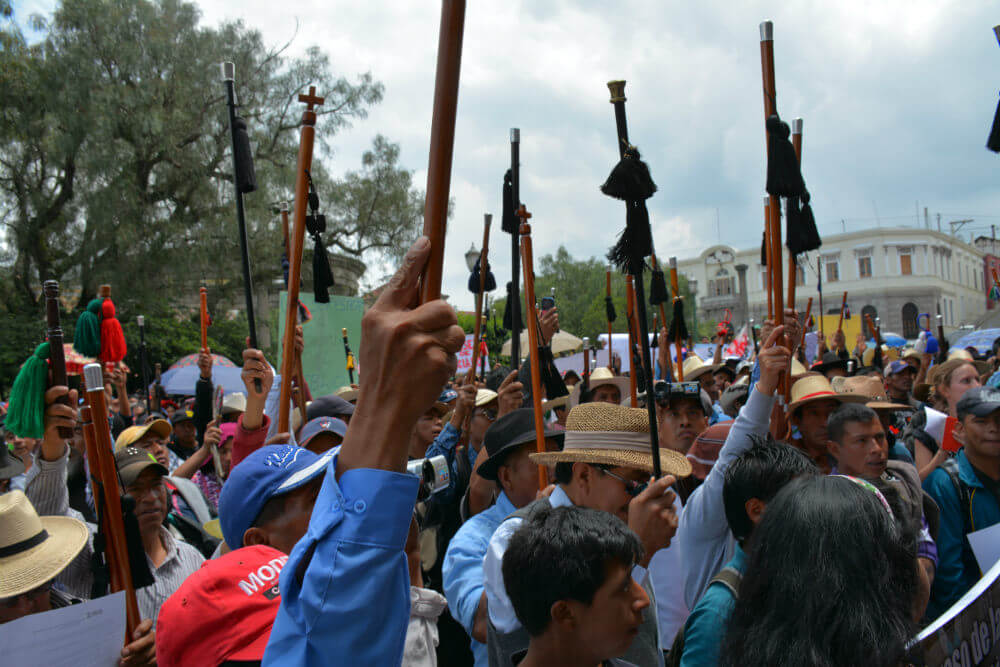
Guatemala’s recent history bears the mark of a 36 year long, painful internal armed conflict, during which the State systematically violated the rights of the Mayan population.
According to the Report of the Commission for the Historical Clarification of Human Rights Violations in Guatemala, 83.3 percent of the human rights violations were committed against them.
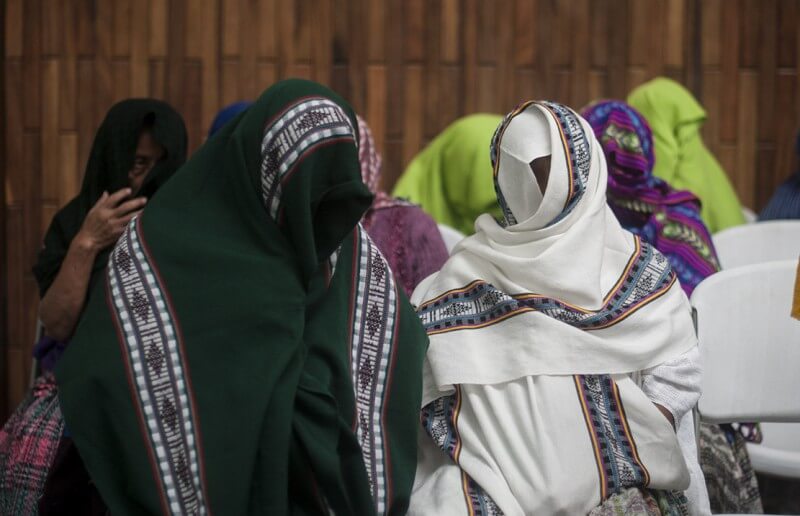
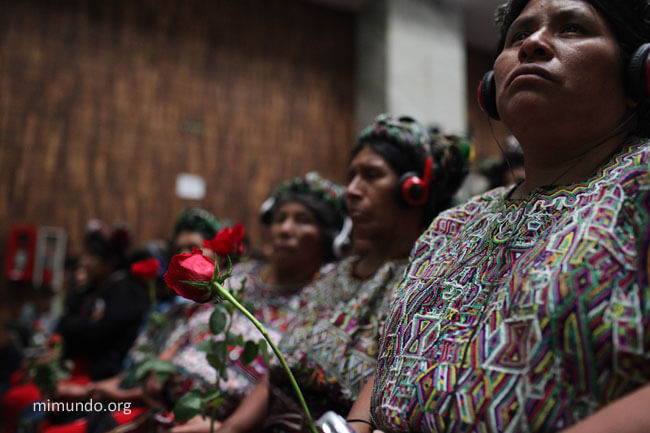
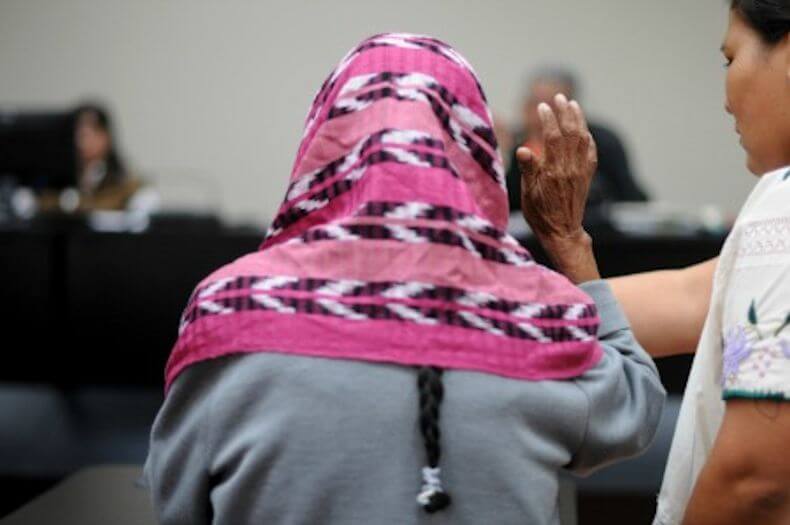
Indigenous women have particularly suffered from the conflict. They have been victims of rape, abuse and sexual slavery.
Women’s organizations have played an important role in spreading information on the legal actions and in collecting and documenting the testimonies of several of them, who are now over 50 and suffer from severe PTSD.
The Alianza Rompiendo el Silencio y la Impunidad (Alliance Breaking the Silence and Impunity), including organizations such as Mujeres Transformando el Mundo (Women Changing the World – MTM), the Equipo de Estudios Comunitarios y de Acción Psicosocial (Community Studies and Psychosocial Action Team – ECAP) and the Unión Nacional de Mujeres Guatemaltecas (National Union of Guatemalan Women -UNAMG) has been active since 2009 providing support to women and following up on the cases.
The three organizations play different roles in promoting public debate on the cases: MTM is in charge of the judicial strategy, ECAP offers psychosocial support to the victims and UNAMG works on the public stance of the plaintiffs.
Sepur Zarco is a community located on the border between the departments of Alta Verapaz and Izabal, in northern Guatemala. Six military detachments settled in this region during the internal armed conflict for the purpose of extermination and torture.
In 1982, the army captured the men of the Mayan community and their widows underwent domestic slavery, sexual violence and sexual slavery.
The abuses were committed by the army of Guatemala for six consecutive months, during which women did shifts every 3 days to cook and clean and wash military uniforms, and were individually and collectively raped over and over again.
Some of them described how they were injected and forced to take birth control medicines to prevent pregnancies.
After setting up a Tribunal of Conscience Against Sexual Violence in 2010, indigenous women decided to take the case to the formal justice system and filed a lawsuit in 2011.
The case is the first to reach the Guatemalan national courts for crimes of international significance against women.
As for its typification and in accordance with the Historical Clarification Commission, rape during the internal armed conflict was used in a widespread, massive and systematic way as part of the counterinsurgency policy of the State.
Therefore, sexual violence is a crime against humanity, a war crime and a constituent element of genocide.
In the post-conflict phase, though, sexual violence as a crime against humanity is still invisible.
That is why it is expected that the evidence and the proceedings will arouse national and international interest and allow for a new phase of discussion and historical reparation for fierce racism in the country.
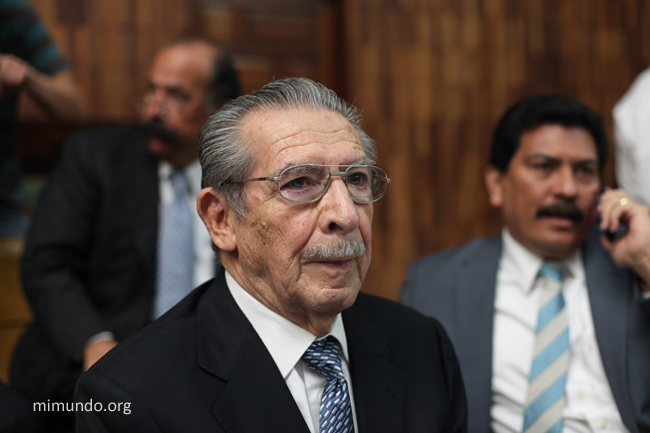
The public trial will be held in Guatemala City on February 1, 2016. There are two defendants.
Guatemalan women’s organizations call on all stakeholders to make a positive contribution to the trial, to attend public hearings and duly oversee the proceedings.
Across the world right now, Indigenous peoples are facing a renewed assault on their lands, rights, and ways of life.
From extractive industries pushing deeper into ancestral territories, to governments rolling back hard-won protections,
the threat is global—and it is growing.
What makes this moment especially dangerous is how little attention it receives.
Stories like this are disappearing in real time. Mainstream media
barely covers it and the coverage is fragmented. The public is left without the context
needed to understand what is truly at stake.
That is exactly why IC Magazine exists..
For more than 20 years, IC has reported on Indigenous struggles worldwide — consistently, independently, and without compromise.
We don’t follow news cycles; we trace patterns. We don’t sensationalize; we provide context.
And when the world looks away, we stay focused.
But this work is increasingly difficult to sustain.
We refuse to lock our reporting behind a paywall. We don’t sell access through subscriptions.
And we don’t answer to advertisers. IC Magazine survives solely because readers like you choose to
support independent Indigenous journalism.
Please donate today if you can. Every contribution helps us to continue this crucial work.
Thank you,
John Ahni Schertow
Founder and Editor in Chief