Last Updated on June 4, 2014
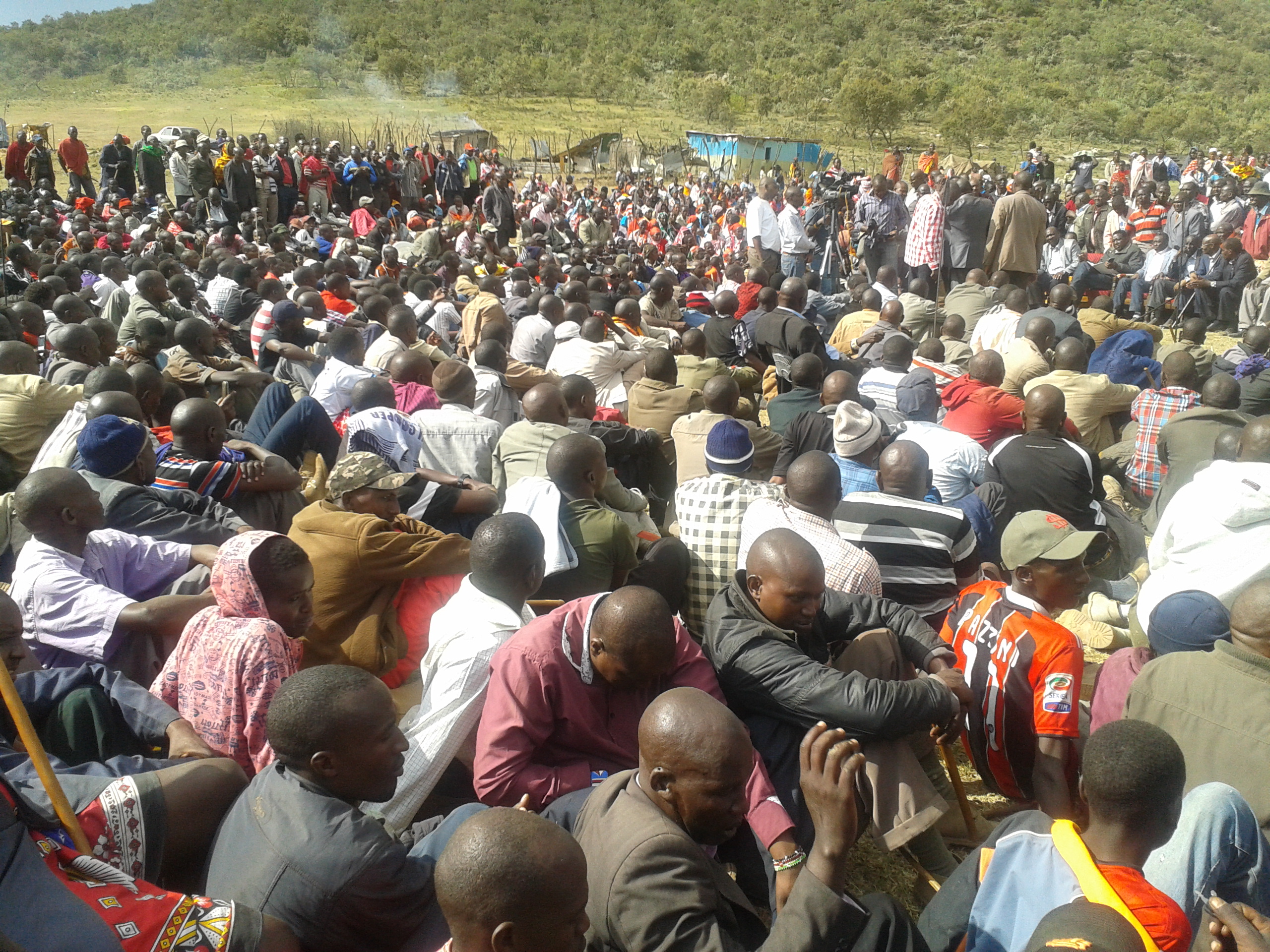
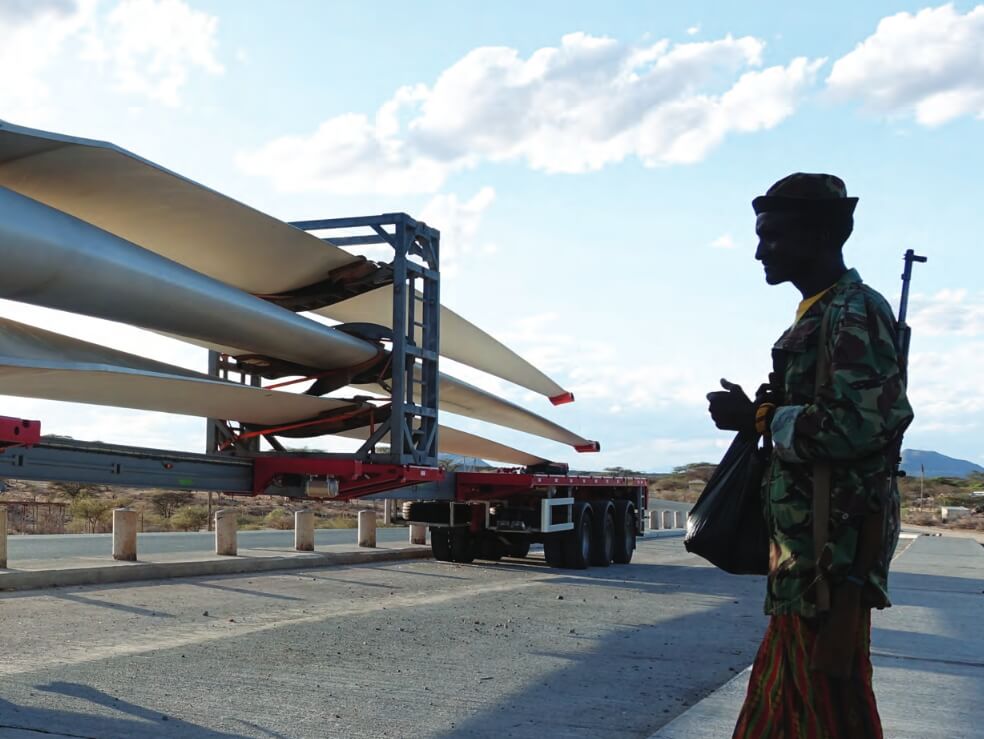
Reminiscent of what happened to the Maasai community in Narasha in 2013, Maasai pastoralists in Kedong, Akira and Suswa are glaring at massive evictions arising from a group of concessions awarded to several companies including Hyundai, Toshiba, Sinopec and African Geothermal International (AGIL) for the purposes of developing geothermal projects on the Maasai lands.
According to the local communities–who claim ancestry to the land and have filed cases in Kenyan courts– African Geothermal International (AGIL) and Marine Power along with Akira I and Akira II1 have disregarded court injunctions instituted by the Maasai, proceeding to deploy their heavy machinery to their proposed project sites without due diligence or consultations with the local communities. The concession areas, which cover hundreds of thousands of acres, are home to thousands of Maasai pastoralists.
The communities feel that their rights have been grossly violated because each of the companies have failed to adhere to Bio-cultural Community Protocols2 that require all external actors to respect Indigenous Peoples’ customary laws, values and decision making processes; particularly those concerning stewardship of their territories and lands.
The companies have also disregarded a current dispute between Kedong Ranch Ltd and the Maasai community3 along with key provisions from the constitution of Kenya (2010). Article 40 of the constitution provides for the protection of the right to property (of any kind) without discrimination and just, prompt and full compensation where acquisition is of national interest. The right to a clean and healthy environment is equally guaranteed under Article 42 in addition to the right to a cultural heritage4.
While the Maasai are not against infrastructure development for the country, they are equally distressed over the companies’ similar dismissal of the principle of Free, Prior and Informed Consent (FPIC) as enshrined in the United Nations Declaration on the Rights of Indigenous Peoples (UNDRIP)5,6. By forcefully evicting the Maasai from their land while denying them the opportunity to participate in and benefit from the development projects, the companies are also in contravention of the Nagoya Protocol on Access and Benefit Sharing7.
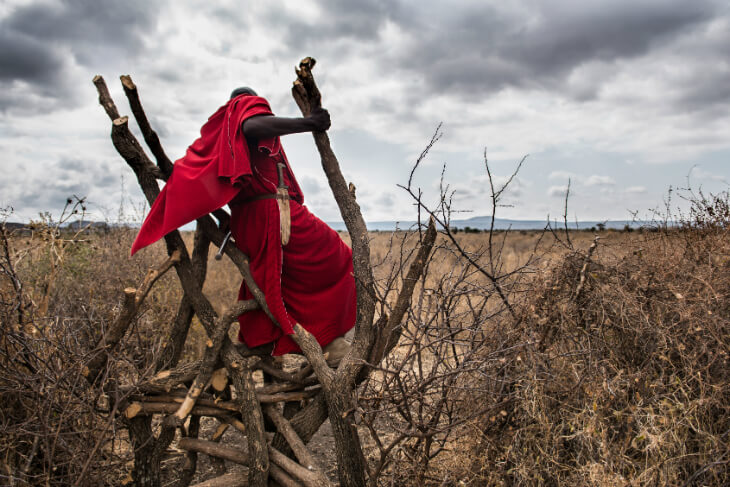
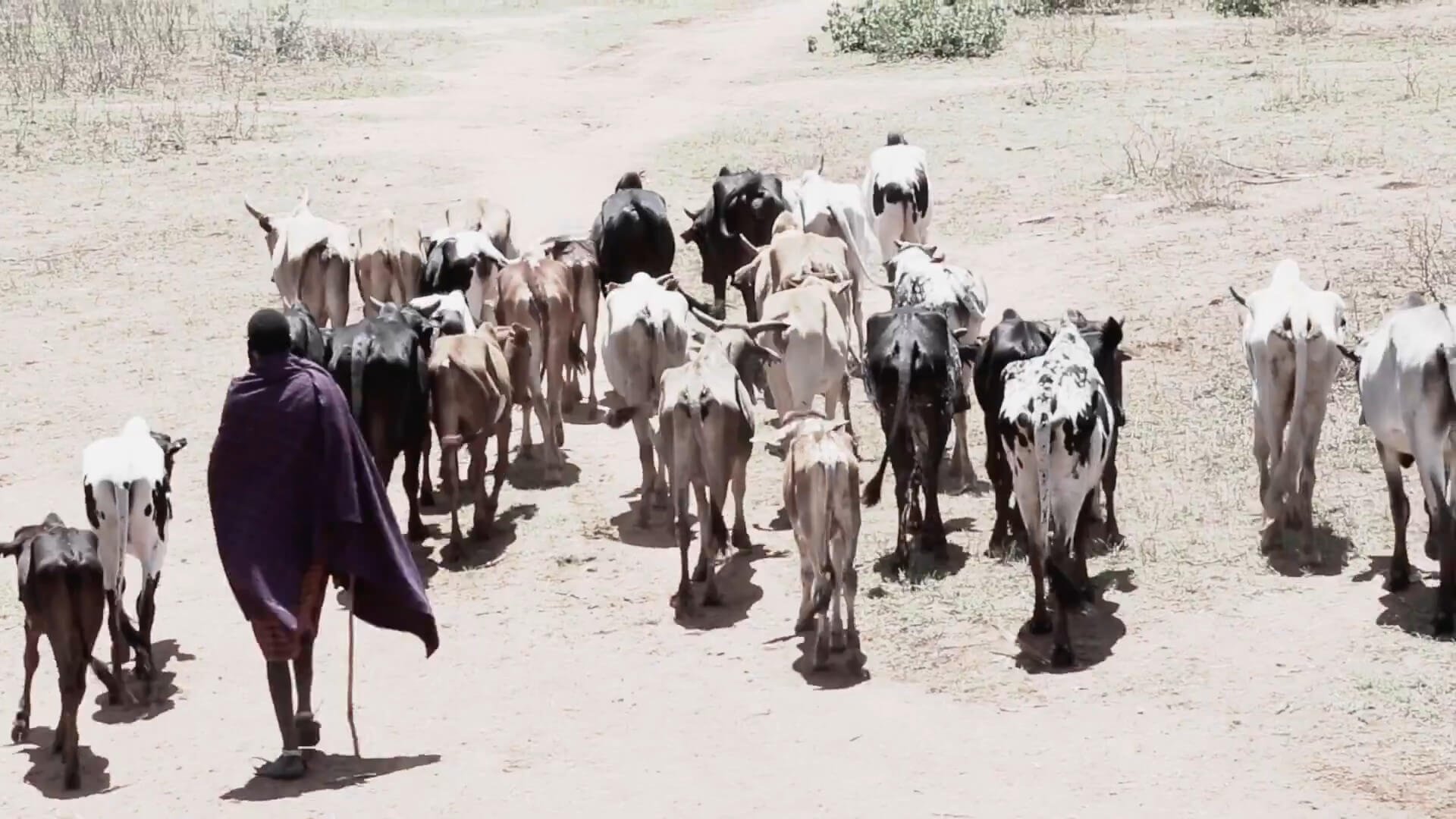
On top of these concerns, the Maasai decry the use of armed police to enforce the evictions, the destruction of their property, and the outright dispossession of their grazing land which is the only source of their livelihoods..
The Maasai demand the following:
Across the world right now, Indigenous peoples are facing a renewed assault on their lands, rights, and ways of life.
From extractive industries pushing deeper into ancestral territories, to governments rolling back hard-won protections,
the threat is global—and it is growing.
What makes this moment especially dangerous is how little attention it receives.
Stories like this are disappearing in real time. Mainstream media
barely covers it and the coverage is fragmented. The public is left without the context
needed to understand what is truly at stake.
That is exactly why IC Magazine exists..
For more than 20 years, IC has reported on Indigenous struggles worldwide — consistently, independently, and without compromise.
We don’t follow news cycles; we trace patterns. We don’t sensationalize; we provide context.
And when the world looks away, we stay focused.
But this work is increasingly difficult to sustain.
We refuse to lock our reporting behind a paywall. We don’t sell access through subscriptions.
And we don’t answer to advertisers. IC Magazine survives solely because readers like you choose to
support independent Indigenous journalism.
Please donate today if you can. Every contribution helps us to continue this crucial work.
Thank you,
John Ahni Schertow
Founder and Editor in Chief