
Last Updated on March 28, 2016
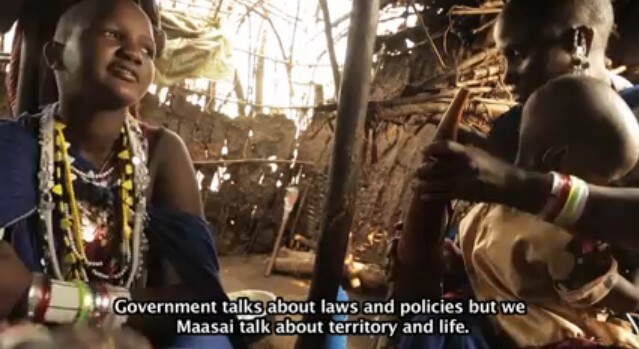
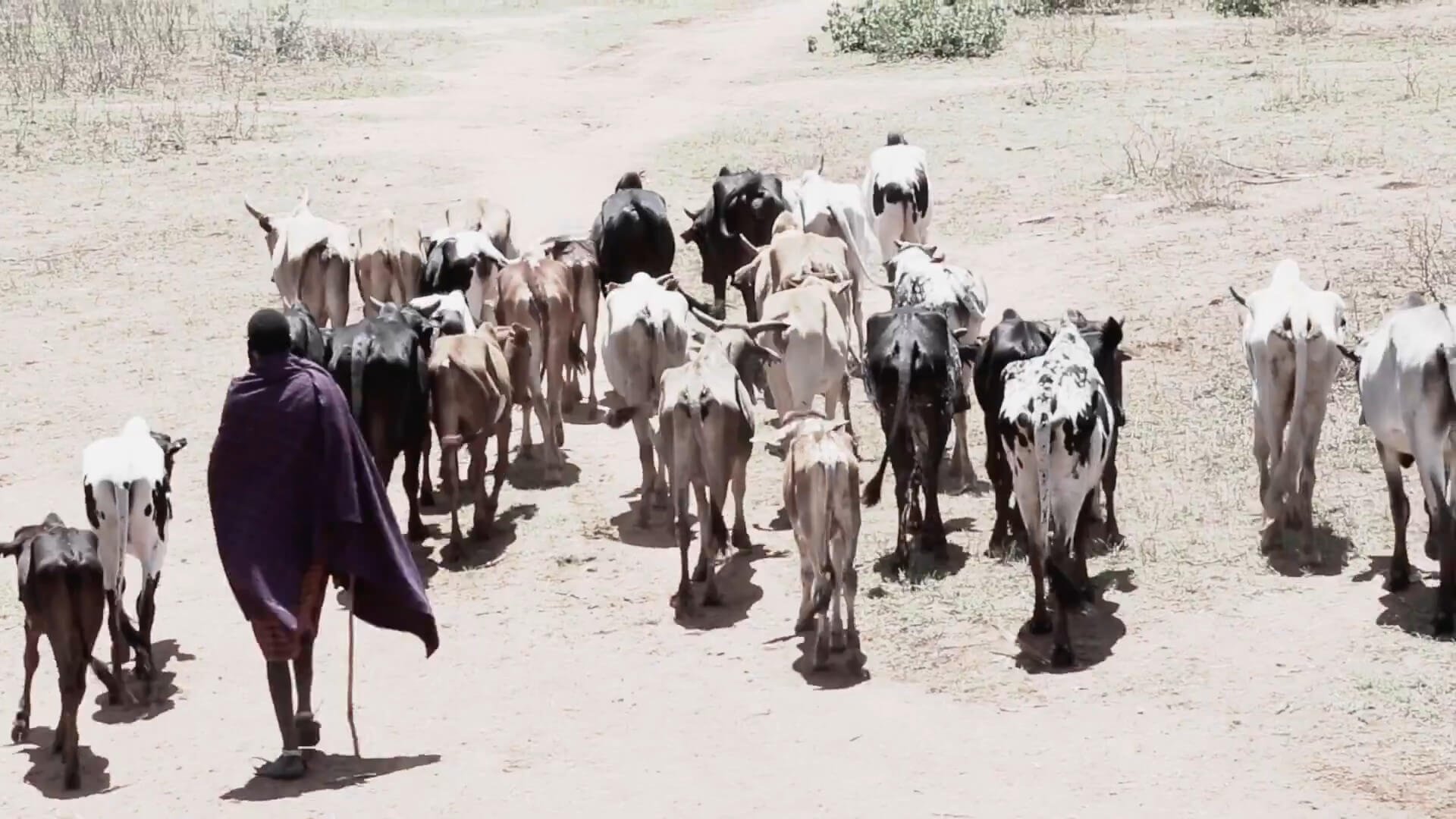
The story of the Maasai of Kiteto District is perhaps best described as a modern-day microcosm of conflict.
This is a story that takes place against the backdrop of ongoing social and political tension that is fomented by efforts to commercialize Maasai culture and the media’s increasing portrayal of the Maasai as “barbarians” who need to abandon their neolithic ways and join civilization.
As nomadic pastoralists, the Maasai of Kiteto District would be content to simply live in peace; but the valuable land on which they depend makes this next to impossible. On one hand, the Maasai must contend with settlers and land barons who want the land for themselves. On the other, the Maasai face expulsion and all the hardship that comes with it.
However, the case of Kiteto District is somewhat unique thanks to an essential court ruling in 2011. That’s when Tanzania’s highest court overturned a previous lower court judgement that inexplicably ruled in favor of a group of farmers who had been illegally cultivating protected Maasai lands.
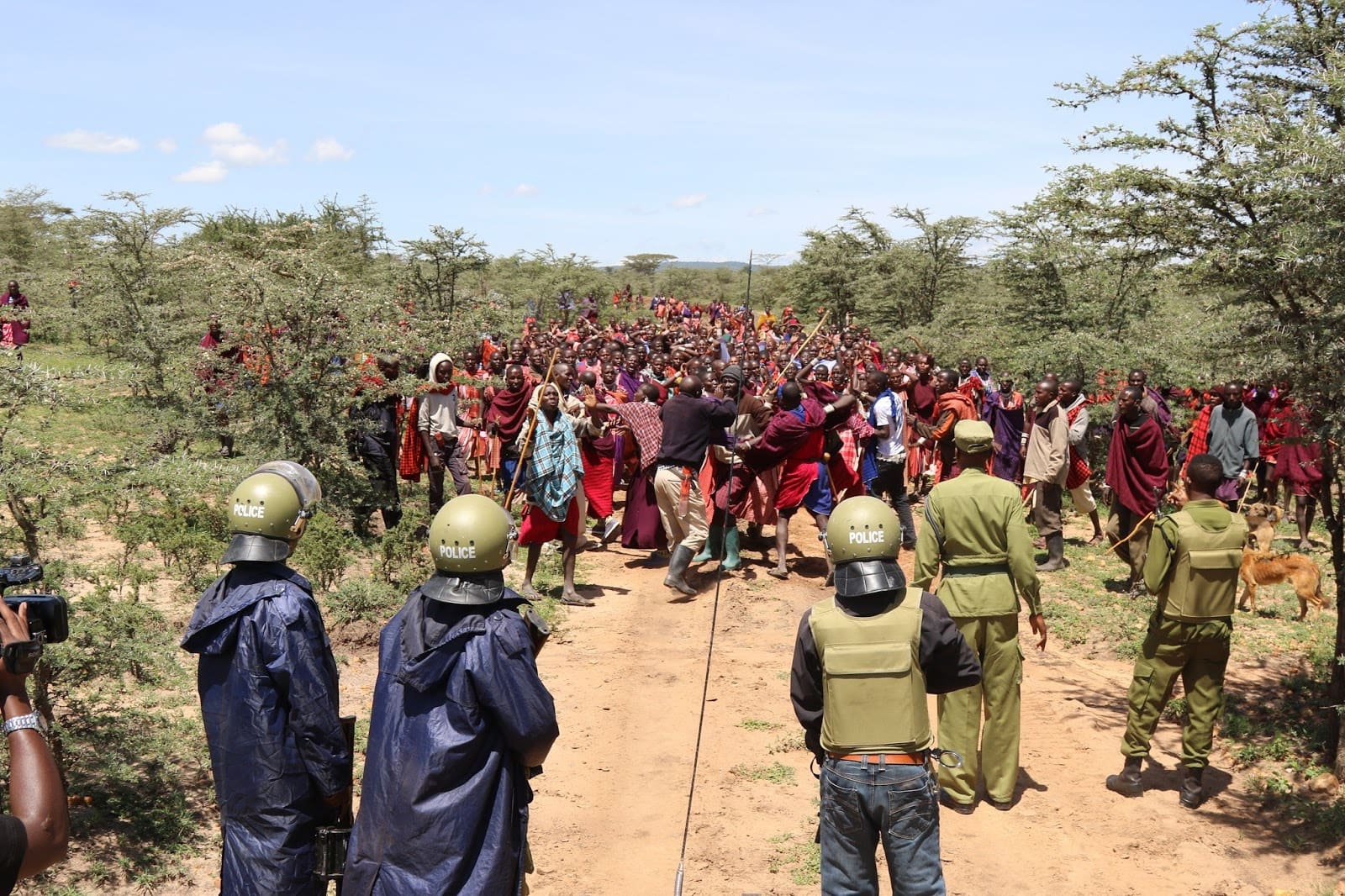
Unfortunately, as is so often the case, the more recent court decision has yet to be fully realized, leaving the door wide open for continued land grabbing and, if the government so desires, Maasai removal operations.
Since the 2011 ruling, the situation in Kiteto District – specifically in the Emborley Murtangos forest reserve – has taken a turn for the worst. As discussed in Operation Maasai Removal:
The land conflict… has a seen a significant increase in crime. Theft, cattle raiding, illegal slaughter of livestock, beatings, kidnappings and murder have become commonplace in the region.
Furthermore,
Environmental damage has become widespread as an ever-increasing amount of lands are illegally cleared with diesel fuel… The amount of invaders now outnumber the Indigenous in some areas.
With no end to the conflict in sight, the situation is grim indeed.
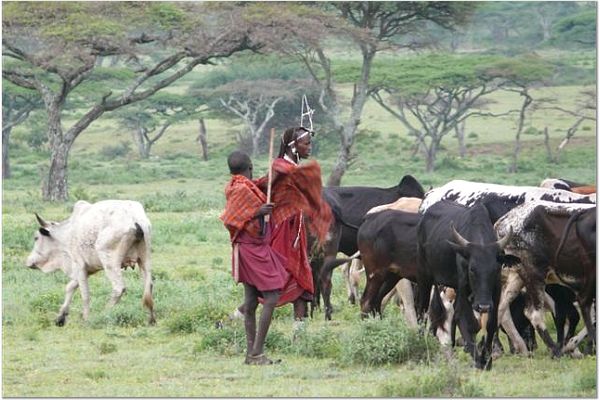
Visit our archive for more about Maasai land rights struggles
Across the world right now, Indigenous peoples are facing a renewed assault on their lands, rights, and ways of life.
From extractive industries pushing deeper into ancestral territories, to governments rolling back hard-won protections,
the threat is global—and it is growing.
What makes this moment especially dangerous is how little attention it receives.
Stories like this are disappearing in real time. Mainstream media
barely covers it and the coverage is fragmented. The public is left without the context
needed to understand what is truly at stake.
That is exactly why IC Magazine exists..
For more than 20 years, IC has reported on Indigenous struggles worldwide — consistently, independently, and without compromise.
We don’t follow news cycles; we trace patterns. We don’t sensationalize; we provide context.
And when the world looks away, we stay focused.
But this work is increasingly difficult to sustain.
We refuse to lock our reporting behind a paywall. We don’t sell access through subscriptions.
And we don’t answer to advertisers. IC Magazine survives solely because readers like you choose to
support independent Indigenous journalism.
Please donate today if you can. Every contribution helps us to continue this crucial work.
Thank you,
John Ahni Schertow
Founder and Editor in Chief