Last Updated on April 11, 2025
Watch the entire series on YouTube
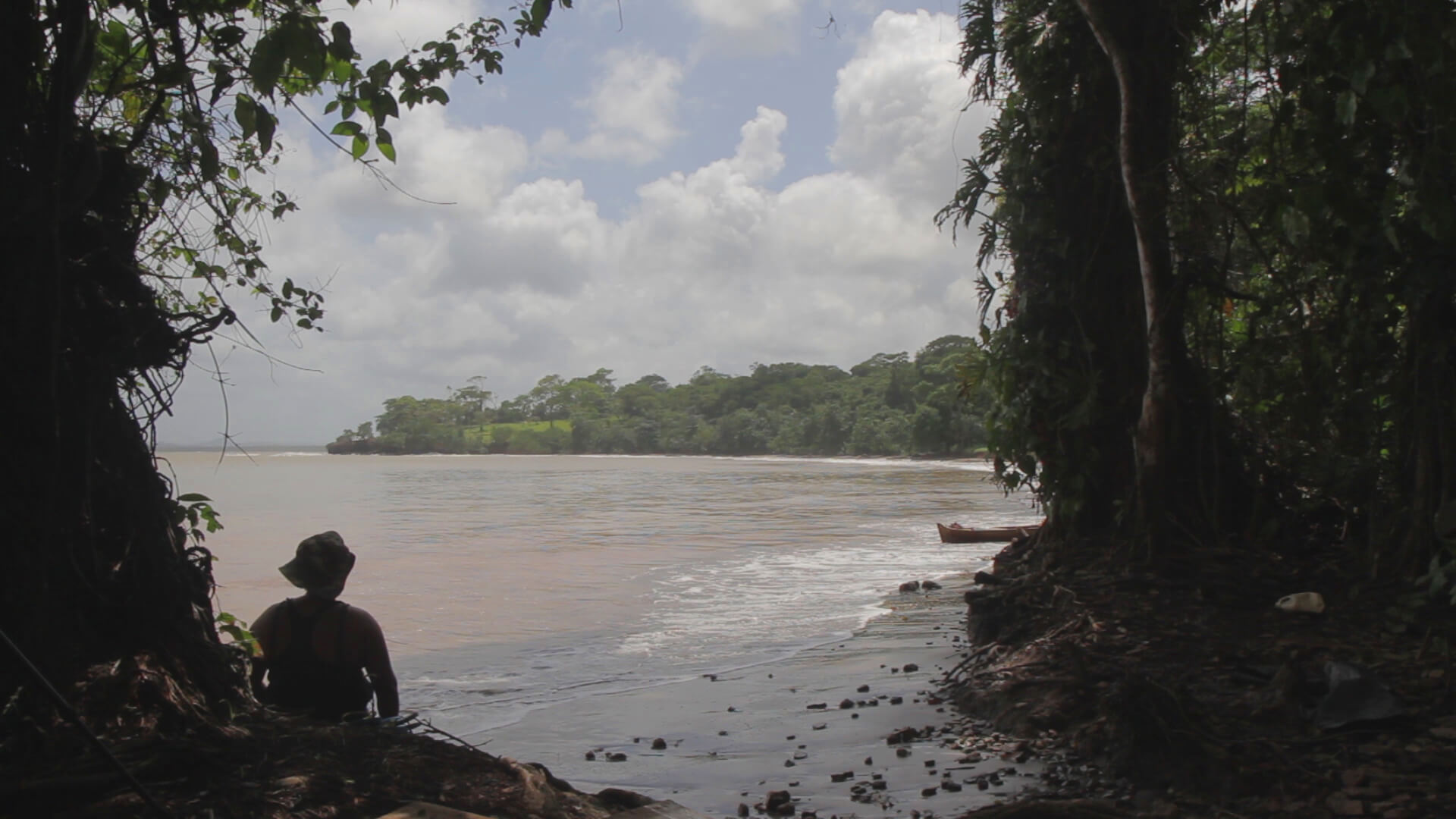
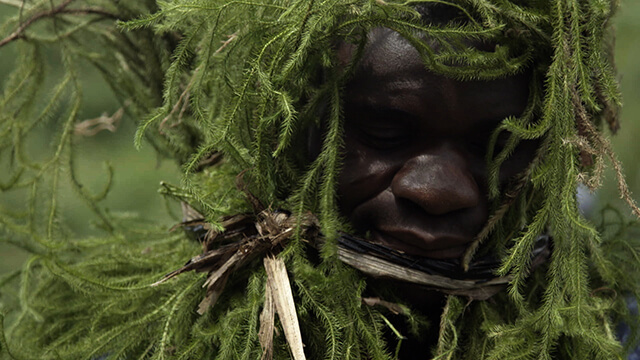
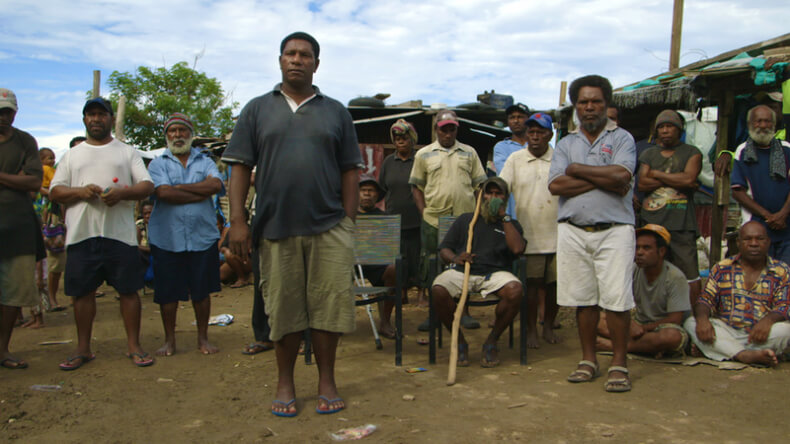
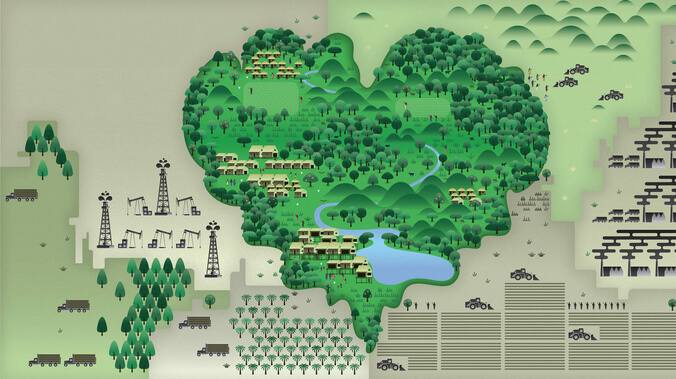
Territories of Life is a video toolkit with a purpose. It’s aim: to bring stories of resistance, resilience and hope to indigenous communities on the frontline of the global rush for land.
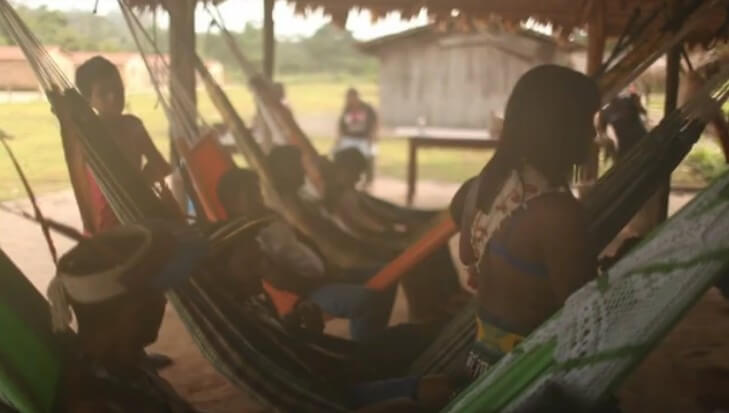
Produced by our friends at LifeMosaic, a non-profit based in Scotland, the Territories of Life toolkit consists of ten stories that were filmed in communities across Indonesia, Philippines, Guatemala, Ecuador, Colombia, Paraguay, Tanzania and Cameroon.
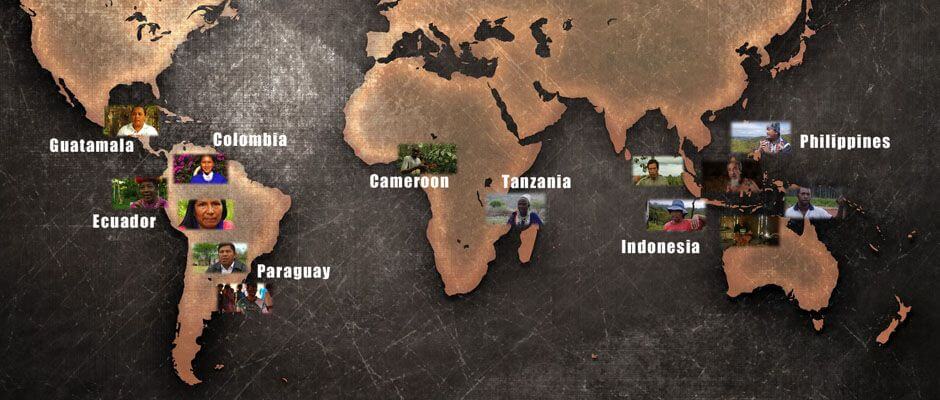
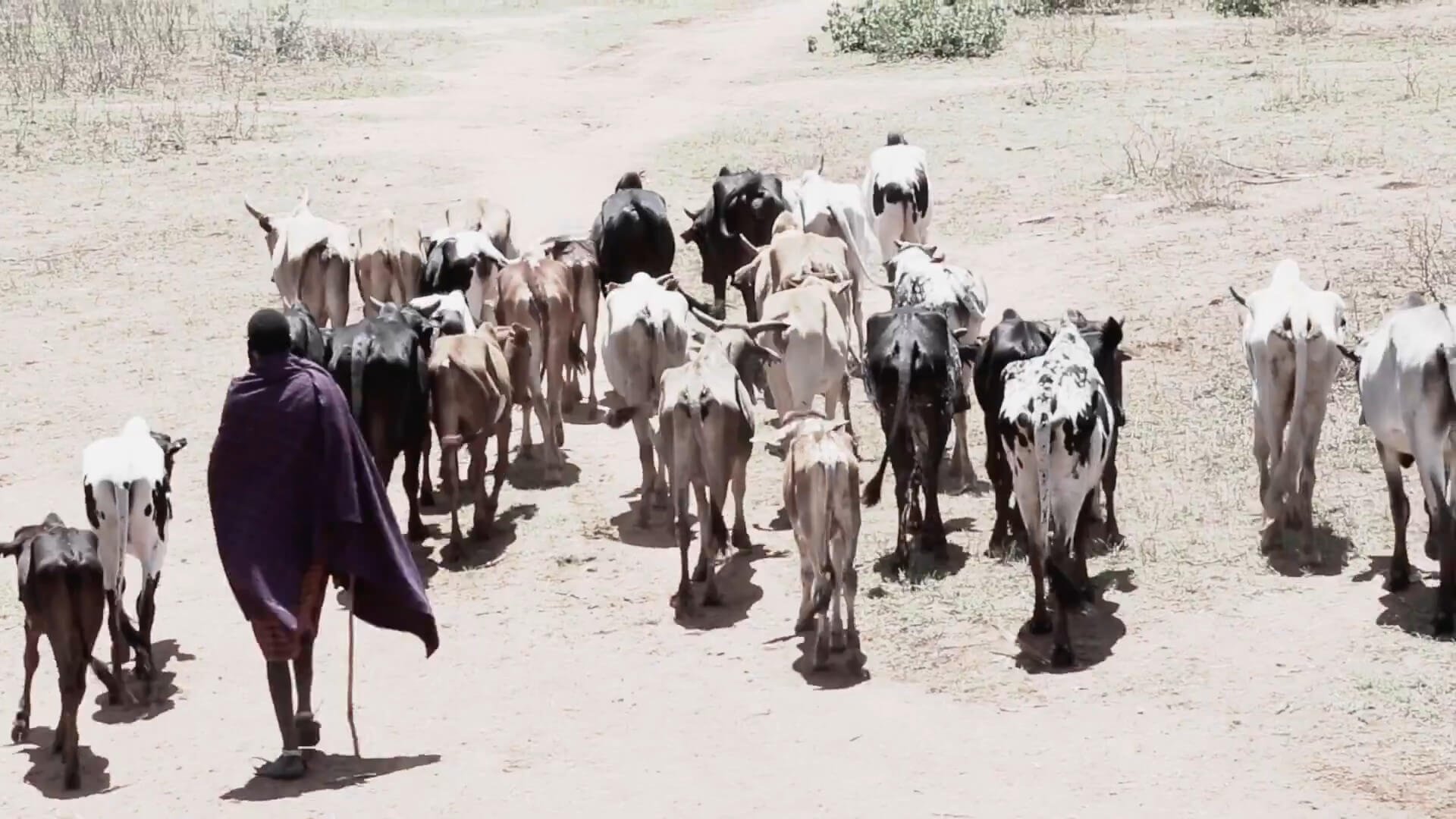
“The videos in the Territories of Life toolkit share inspirational stories of communities that are successfully organizing to defend their territories and their futures,” reads a press release from LifeMosaic. They include “The story of Maasai indigenous women in Tanzania who used awareness raising, protests and political pressure to lead a movement in defense of their territory; and the Misak indigenous people in Colombia who have developed and are carrying out their Plan de Vida, a long‐term vision for self-determined development.”
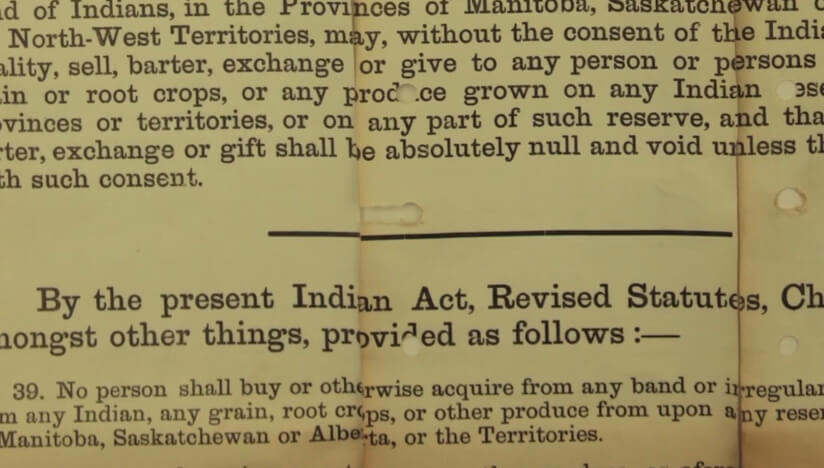
The toolkit also includes a few primers on land rights, land grabs, and common tactics that companies use to convince communities to accept and support their projects.
LifeMosaic goes on to say that, “The video toolkit and accompanying facilitators’ guide are intended to support indigenous peoples as they exercise their right to free, prior and informed consent; advocate for their rights; participate more actively in local spatial planning; and draw up village action plans for self‐determined development and for protecting their territories, forests and resources.”
It’s more than mere lip service. LifeMosaic is actively working with hundreds of local partners to facilitate the free distribution of Territories of Life to indigenous communities and supporting organizations around the world.
To order a copy of the toolkit, visit www.lifemosaic.net. If other groups request a DVD, LifeMosaic recommends a donation of $11 (£10). The videos can also be downloaded online at their website.
Across the world right now, Indigenous peoples are facing a renewed assault on their lands, rights, and ways of life.
From extractive industries pushing deeper into ancestral territories, to governments rolling back hard-won protections,
the threat is global—and it is growing.
What makes this moment especially dangerous is how little attention it receives.
Stories like this are disappearing in real time. Mainstream media
barely covers it and the coverage is fragmented. The public is left without the context
needed to understand what is truly at stake.
That is exactly why IC Magazine exists..
For more than 20 years, IC has reported on Indigenous struggles worldwide — consistently, independently, and without compromise.
We don’t follow news cycles; we trace patterns. We don’t sensationalize; we provide context.
And when the world looks away, we stay focused.
But this work is increasingly difficult to sustain.
We refuse to lock our reporting behind a paywall. We don’t sell access through subscriptions.
And we don’t answer to advertisers. IC Magazine survives solely because readers like you choose to
support independent Indigenous journalism.
Please donate today if you can. Every contribution helps us to continue this crucial work.
Thank you,
John Ahni Schertow
Founder and Editor in Chief