
Last Updated on April 11, 2025
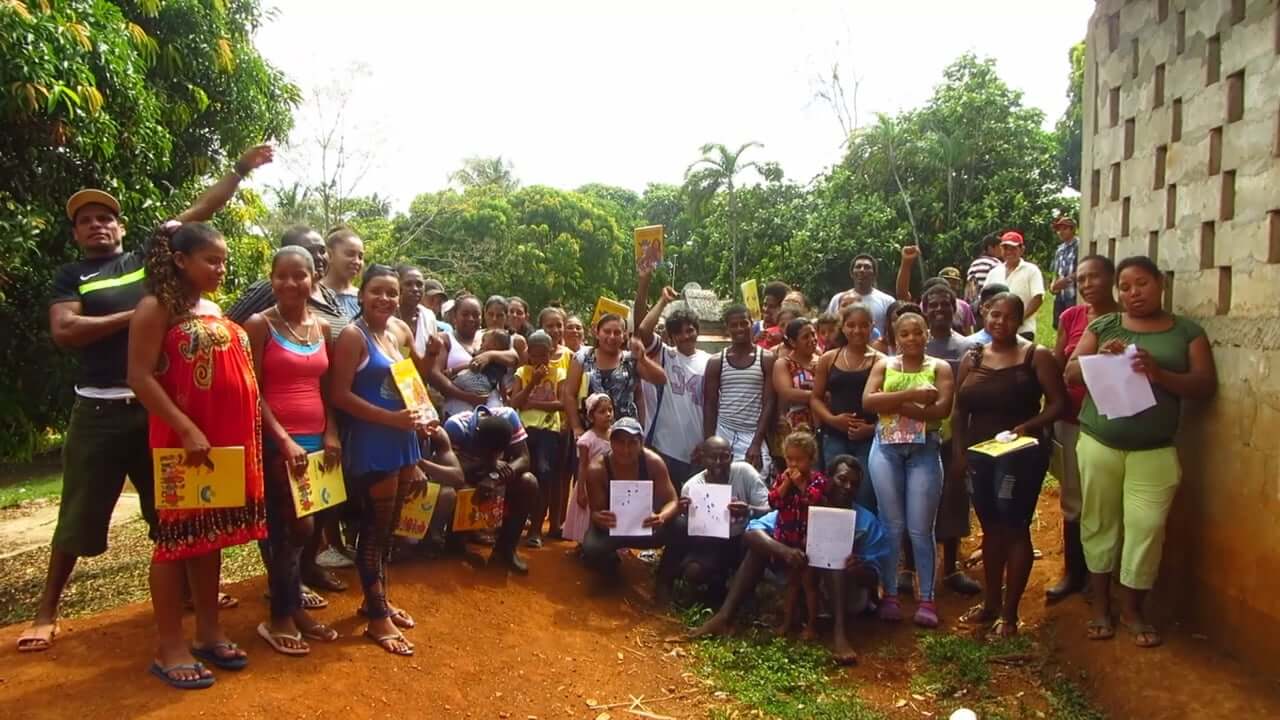
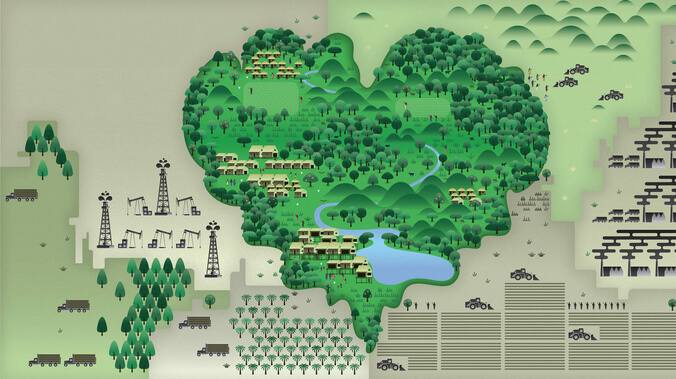
The Rama people have lived on the Atlantic Coast of Nicaragua for thousands of years, long before the existence of the nation state. Nicaragua’s Law 445 recognizes indigenous ownership of traditional lands and natural resources; but for decades, settlers from the Pacific have taken vast amounts of Rama territory causing massive deforestation and threatening the Rama way of life.
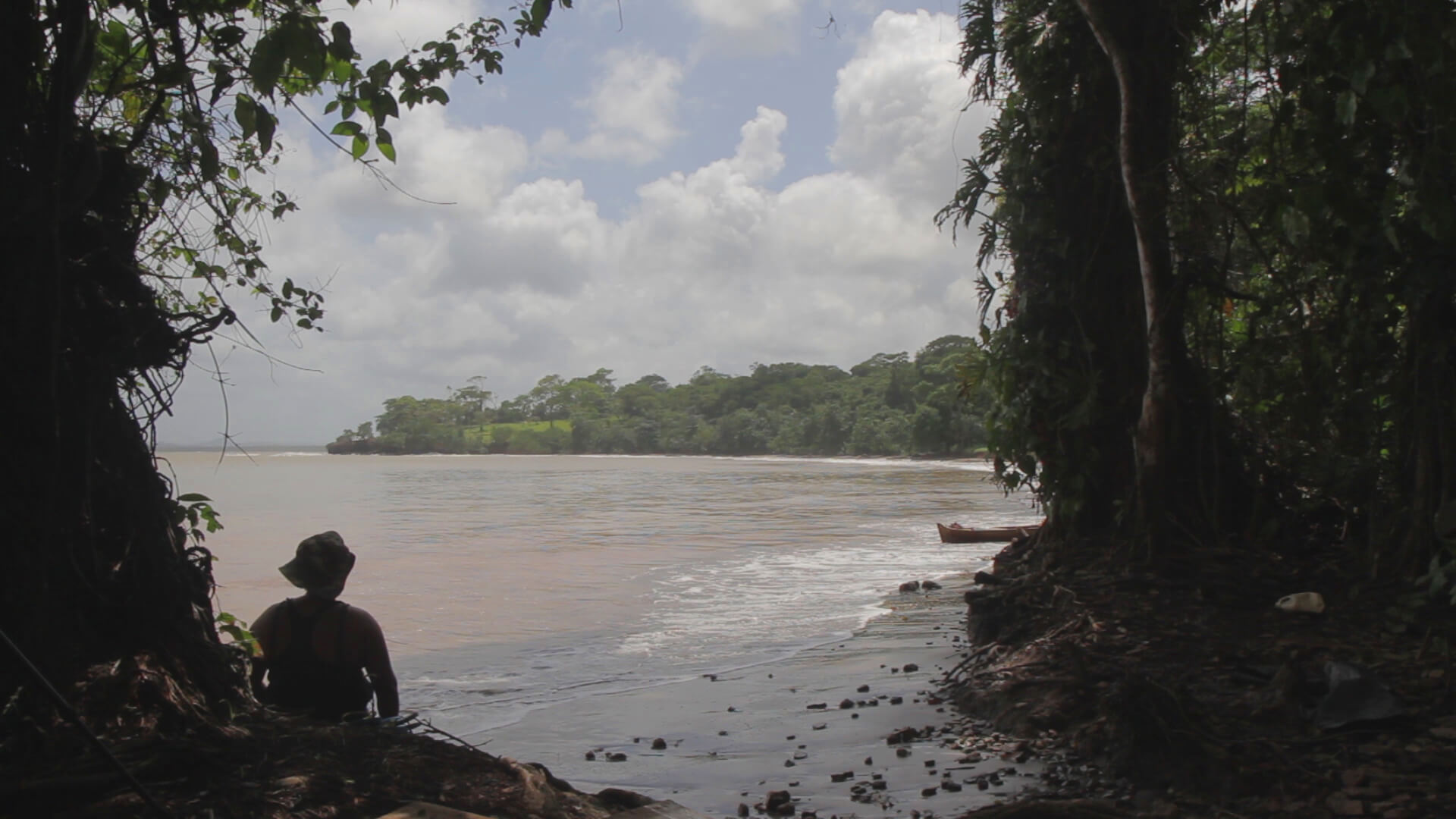
In 2013 the Nicaraguan government passed Law 840 allowing the Chinese investment firm Hong Kong Nicaragua Development to construct an interoceanic canal without any public consultation or debate. Though the government hails the project as the means to lift the nation out of poverty, hundreds of thousands of Nicaraguans would be forced from their land and the environmental impact could devastate the country’s rich ecosystem of lakes, rivers, and forests. Almost half of the 160 mile canal would cut through the Southern Atlantic Autonomous Region which is home to the Rama.
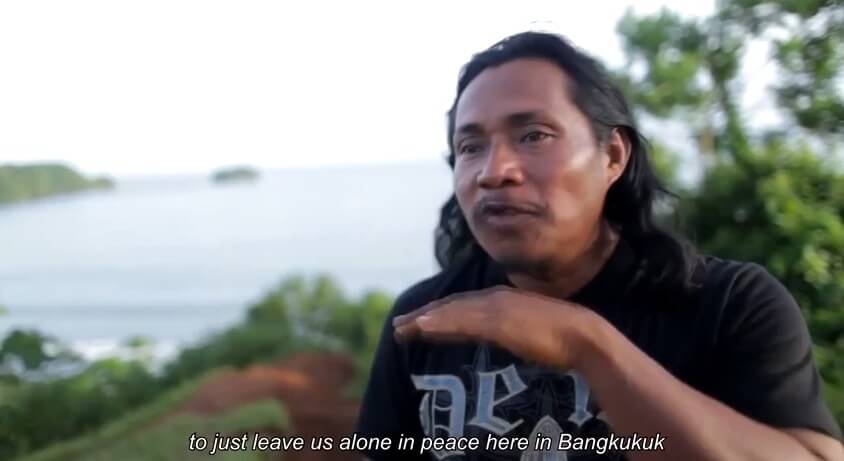
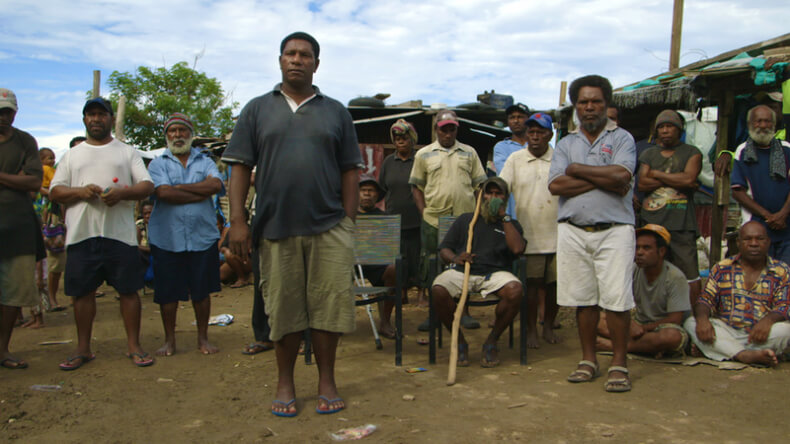
In 2014 it was announced that the proposed canal route would cut directly through the Rama village of Bangkukuk, removing the community from their land and way of life. Since then, government officials have been pressuring community members to sign land concessions without legal consultation. In response, community leaders and local officials have partnered with indigenous rights groups to combat this land grab by bringing their case to the Inter-American Court.
The film Bangkukuk is a collaboration between Art of Solidarity and village leaders aimed at sharing their story with the international community. This short trailer is just a glimpse into an upcoming feature-length documentary film that will give voice to the many communities, organizations, and activists at the front lines of the indigenous rights and anti-canal movements in Nicaragua.
Across the world right now, Indigenous peoples are facing a renewed assault on their lands, rights, and ways of life.
From extractive industries pushing deeper into ancestral territories, to governments rolling back hard-won protections,
the threat is global—and it is growing.
What makes this moment especially dangerous is how little attention it receives.
Stories like this are disappearing in real time. Mainstream media
barely covers it and the coverage is fragmented. The public is left without the context
needed to understand what is truly at stake.
That is exactly why IC Magazine exists..
For more than 20 years, IC has reported on Indigenous struggles worldwide — consistently, independently, and without compromise.
We don’t follow news cycles; we trace patterns. We don’t sensationalize; we provide context.
And when the world looks away, we stay focused.
But this work is increasingly difficult to sustain.
We refuse to lock our reporting behind a paywall. We don’t sell access through subscriptions.
And we don’t answer to advertisers. IC Magazine survives solely because readers like you choose to
support independent Indigenous journalism.
Please donate today if you can. Every contribution helps us to continue this crucial work.
Thank you,
John Ahni Schertow
Founder and Editor in Chief