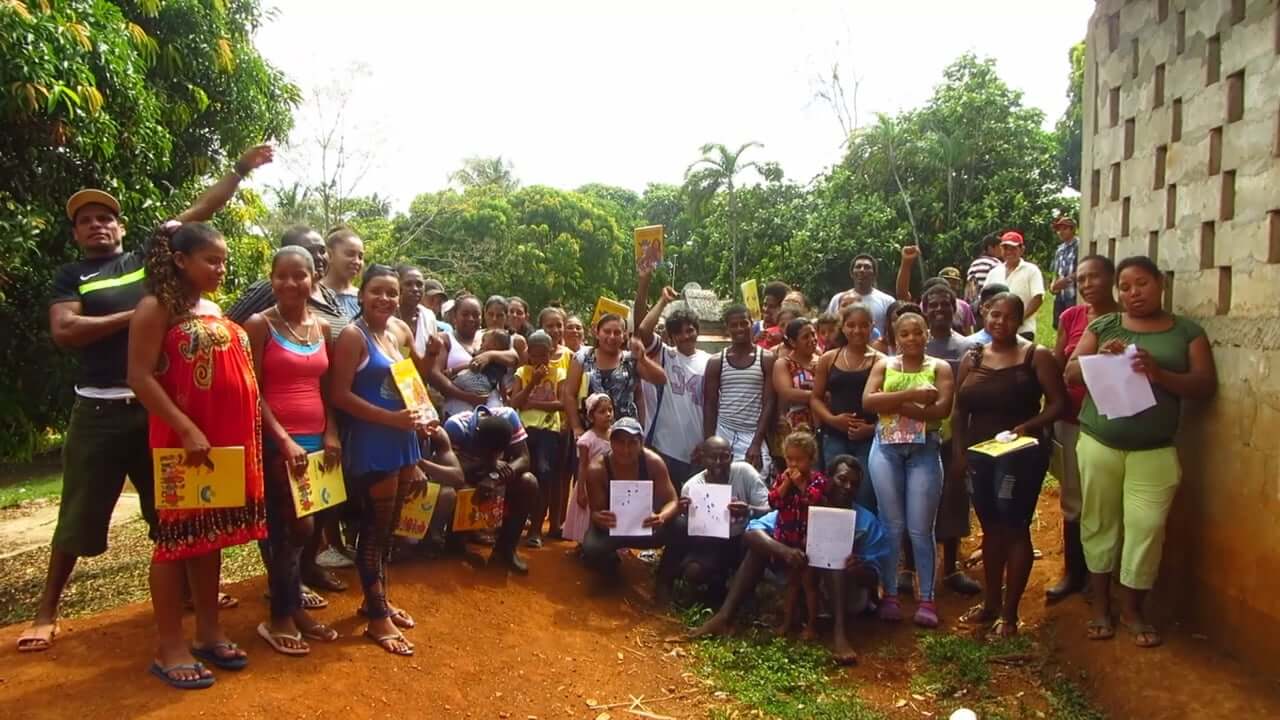
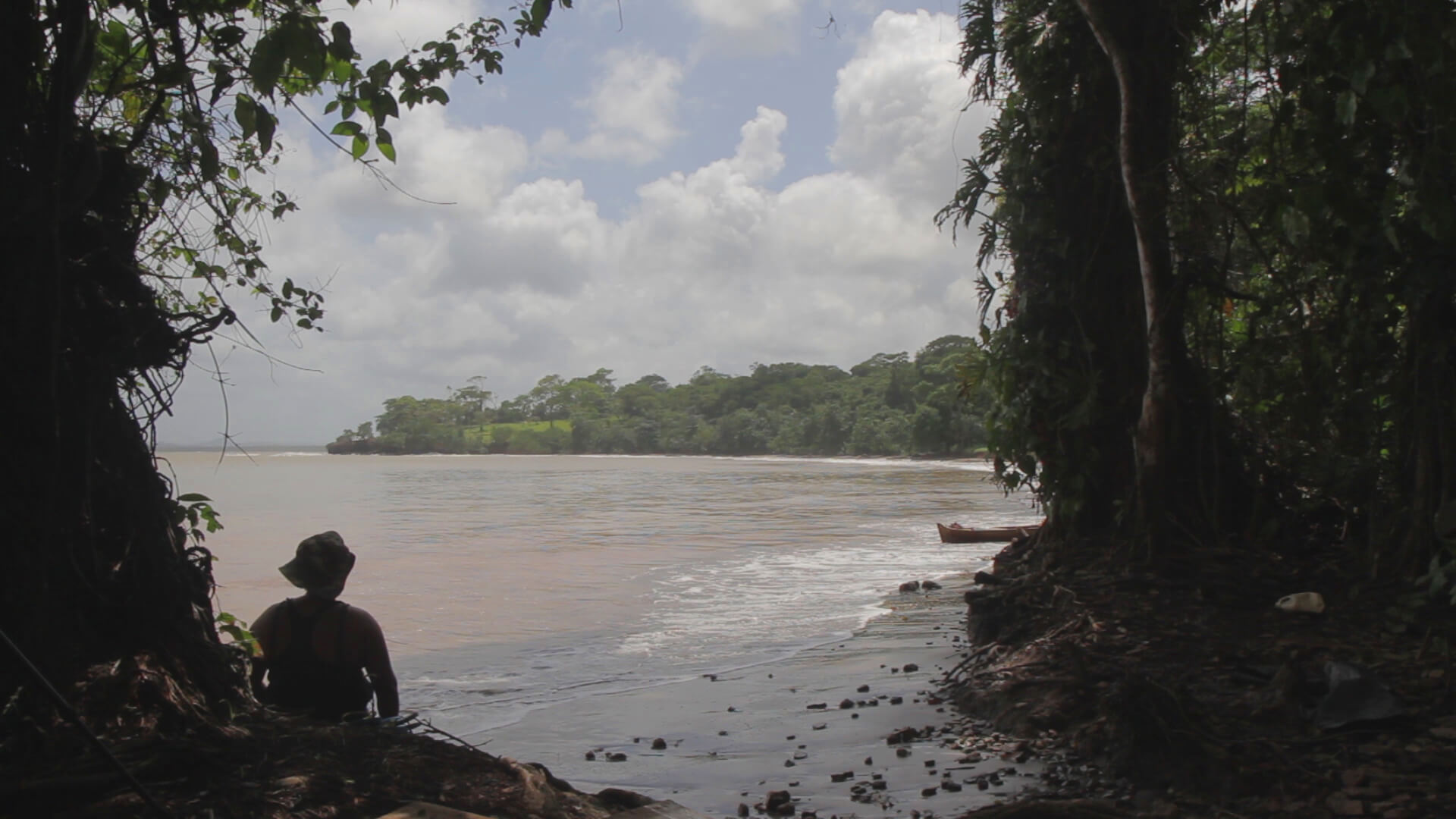
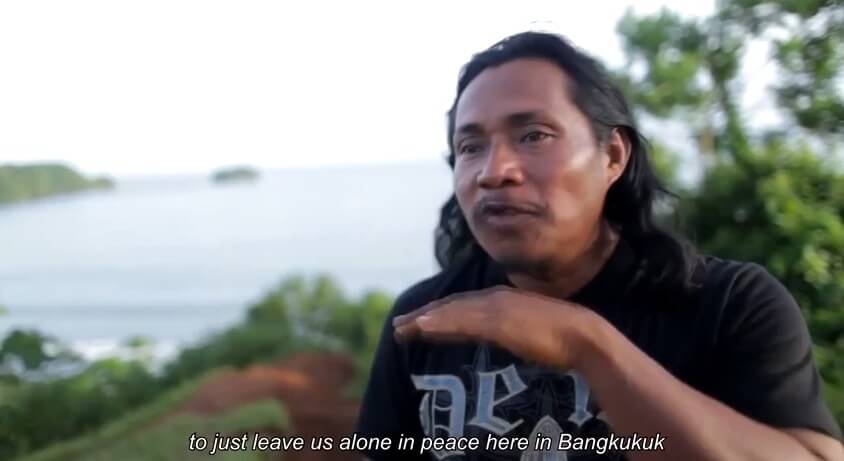
The Rama are an Indigenous community residing along Nicaragua’s Caribbean coast, primarily in the South Caribbean Autonomous Region. Their heritage blends Indigenous traditions with Afro-descendant influences, reflected in their multilingual culture, which includes Rama, Creole English, and Spanish. Historically reliant on fishing, small-scale agriculture, and forest stewardship, the Rama maintain a spiritual and ecological connection to the land and sea that sustains their way of life.
The Rama face existential threats from large-scale infrastructure projects, most notably the proposed interoceanic canal that would cut through their ancestral territories. Deforestation, land grabs, and government-backed development schemes jeopardize both environmental integrity and territorial sovereignty. At the same time, assimilation pressures and weakening transmission of the endangered Rama language further threaten cultural survival. Legal protections often fall short in practice, leaving the community vulnerable to displacement and marginalization.
In the face of mounting pressure, the Rama are actively defending their land through legal challenges, international advocacy, and alliances with environmental defenders. Cultural revival initiatives are also gaining momentum, with efforts to teach the Rama language in schools and preserve traditional knowledge through storytelling and intergenerational learning. Their leadership in land defense and cultural revitalization stands as a powerful example of Indigenous resistance, environmental stewardship, and pride in ancestral identity.