
Last Updated on May 18, 2019
Released a month after the tragic murder of human rights and environmental defenders Sikosiphi ‘Bazooka’ Rhadebe, from Xolobeni, South Africa, Berta Caceres, a Goldman Environmental Prize-winner from Honduras, and numerous others, In Defence of Life follows the struggles and triumphs of four communities resisting large-scale mining projects in Colombia, the Philippines, South Africa and Romania.
These courageous environmental and human rights defenders describe how they have suffered and why they are standing firm to protect their families, land, water and life from destruction by mining.
Their inspiring David and Goliath struggles demonstrate that when injustice and destruction become globalized, so does resistance.
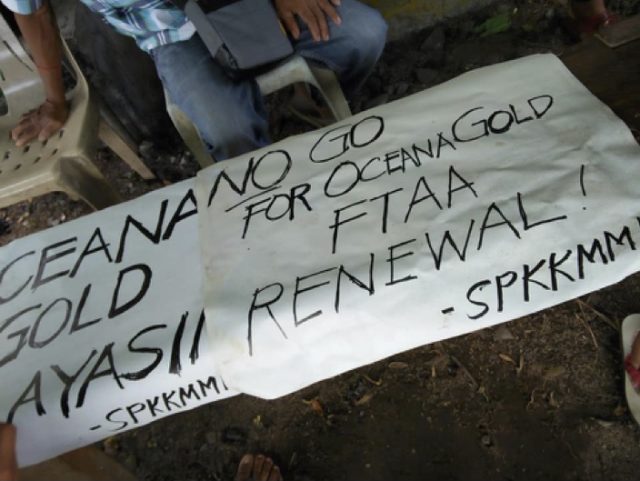
In Didipio, Philippines, local people are rallying against Australian-Canadian mining company OceanaGold. In just three years the company has turned what was once Didipio’s Dinkiday Mountain into a 371-metre-deep pit in its search for gold and copper. In Defence of Life reveals how locals are coming together to say ‘Palayasin!’ (Get out!) to the company, as they aim to prevent future mine expansion and force the multinational out.
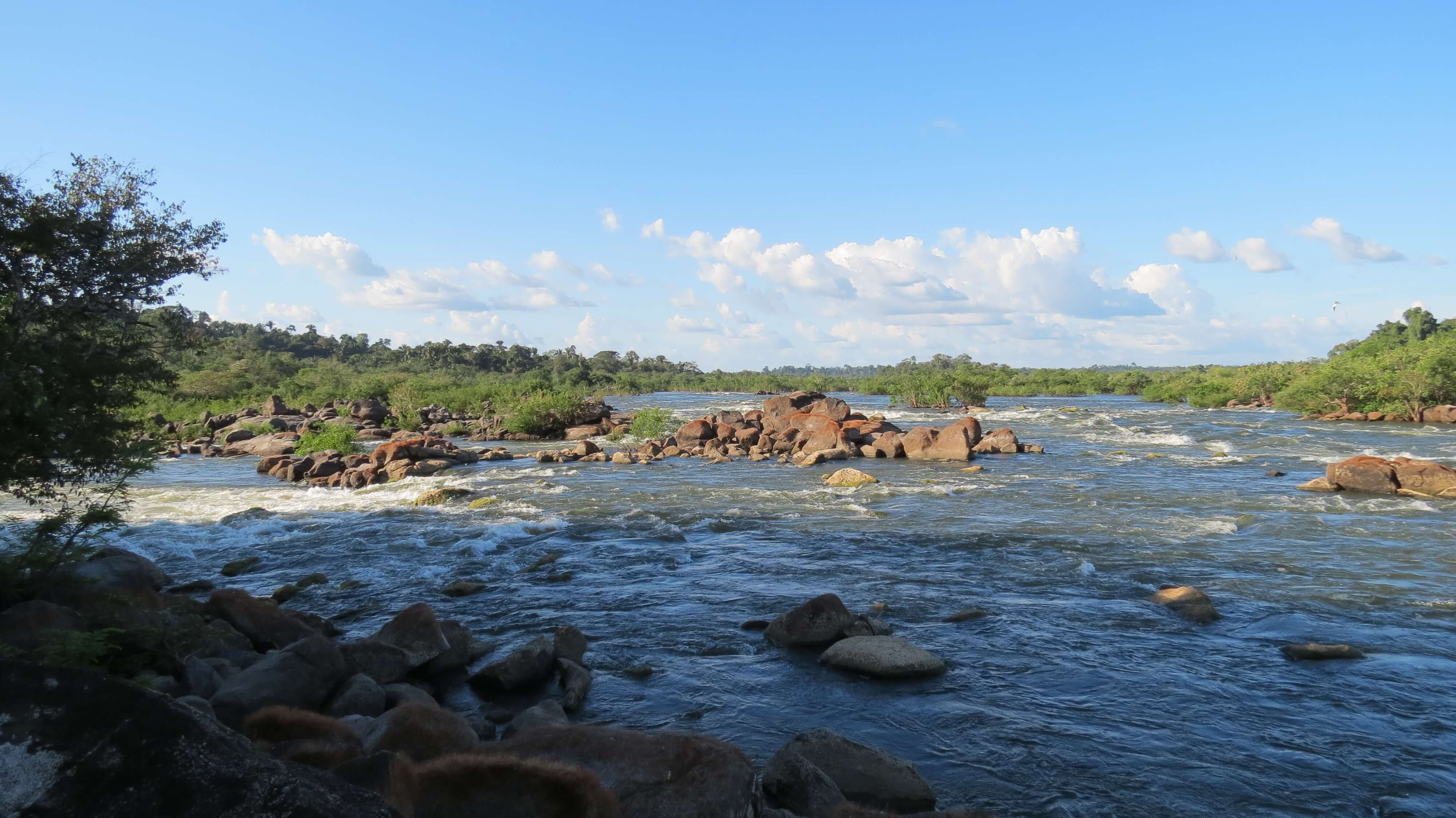
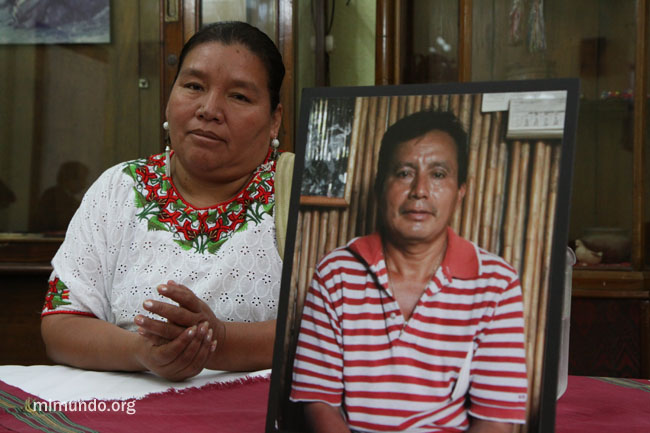
In Yaigoje Apaporis, a 1-million hectare region of the Colombian Amazon, Indigenous people have been angered by Canadian company Cosigo Resources’ attempt to mine gold at a sacred site in their territory. In Defence of Life follows the unified attempts of indigenous groups to protect every part of their territory, for though the land belongs to the people, the subsoil belongs to the state.
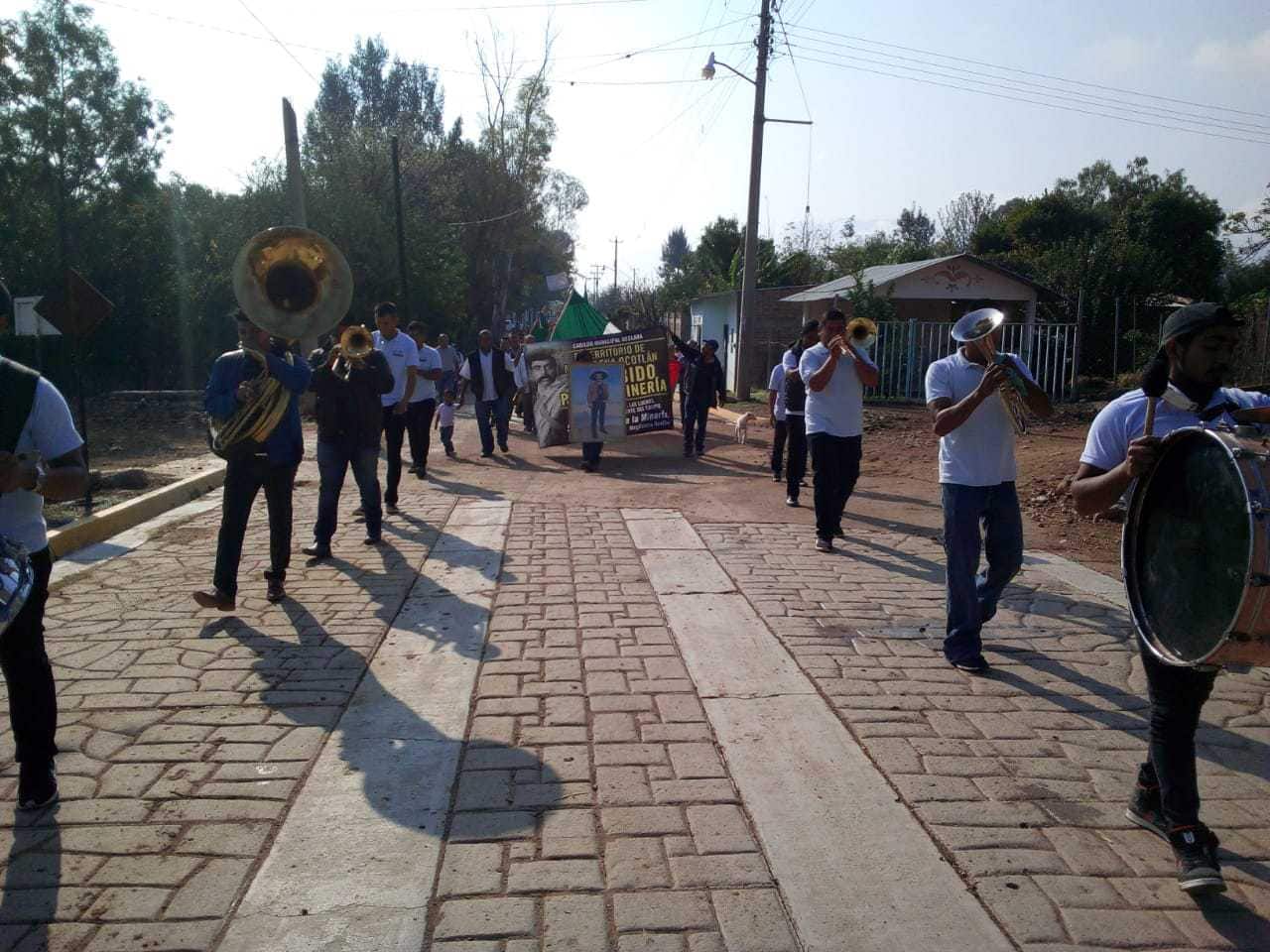
In Romani’s Apuseni Mountain’s, the historic community of Rosia Montana are threatened by a gold mine that would level four mountains, raze 900 homes, displace 2,000 subsistence farmers and produce 196.4 million tonnes of cyanide polluted waste. Following the community’s struggle to stop the plans of Canadian multinational Gabriel Resources, In Defence of Life takes us behind the scenes of a landmark European struggle.
In South Africa, Ibutho Coal plans to dig the Fuleni Mine just 40 metres from the world famous iMfolozi Wilderness – a haven for the endangered white rhino. The mine would reportedly displace up to 16,000 people. Inspired to avoid the destruction they have seen in neighbouring coal-affected communities, the people of Fuleni are playing a crucial role in the global struggle to prevent catastrophic climate change.
A film by Jess Phillimore for The Gaia Foundation.
Across the world right now, Indigenous peoples are facing a renewed assault on their lands, rights, and ways of life.
From extractive industries pushing deeper into ancestral territories, to governments rolling back hard-won protections,
the threat is global—and it is growing.
What makes this moment especially dangerous is how little attention it receives.
Stories like this are disappearing in real time. Mainstream media
barely covers it and the coverage is fragmented. The public is left without the context
needed to understand what is truly at stake.
That is exactly why IC Magazine exists..
For more than 20 years, IC has reported on Indigenous struggles worldwide — consistently, independently, and without compromise.
We don’t follow news cycles; we trace patterns. We don’t sensationalize; we provide context.
And when the world looks away, we stay focused.
But this work is increasingly difficult to sustain.
We refuse to lock our reporting behind a paywall. We don’t sell access through subscriptions.
And we don’t answer to advertisers. IC Magazine survives solely because readers like you choose to
support independent Indigenous journalism.
Please donate today if you can. Every contribution helps us to continue this crucial work.
Thank you,
John Ahni Schertow
Founder and Editor in Chief