
Last Updated on April 10, 2025
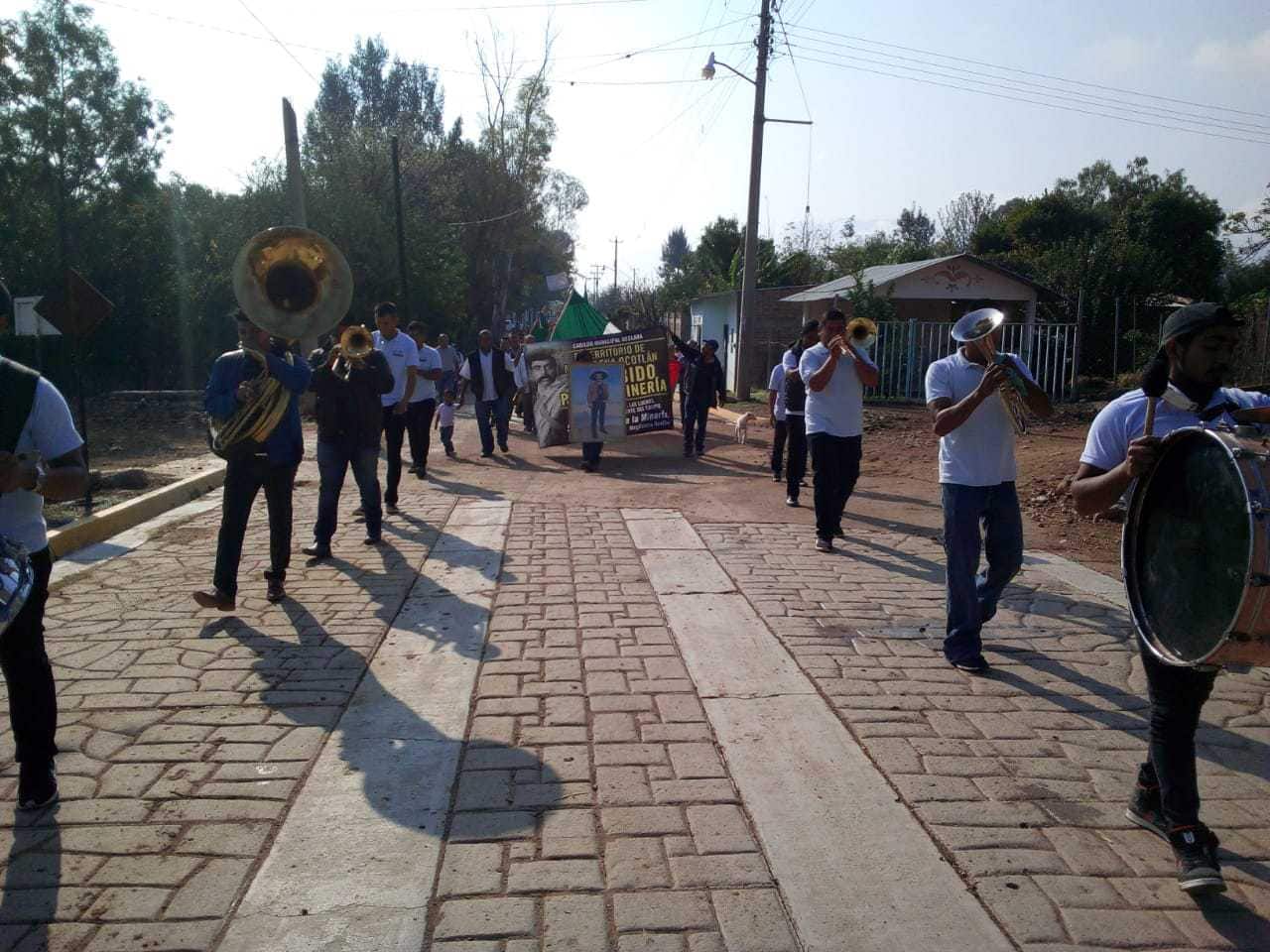
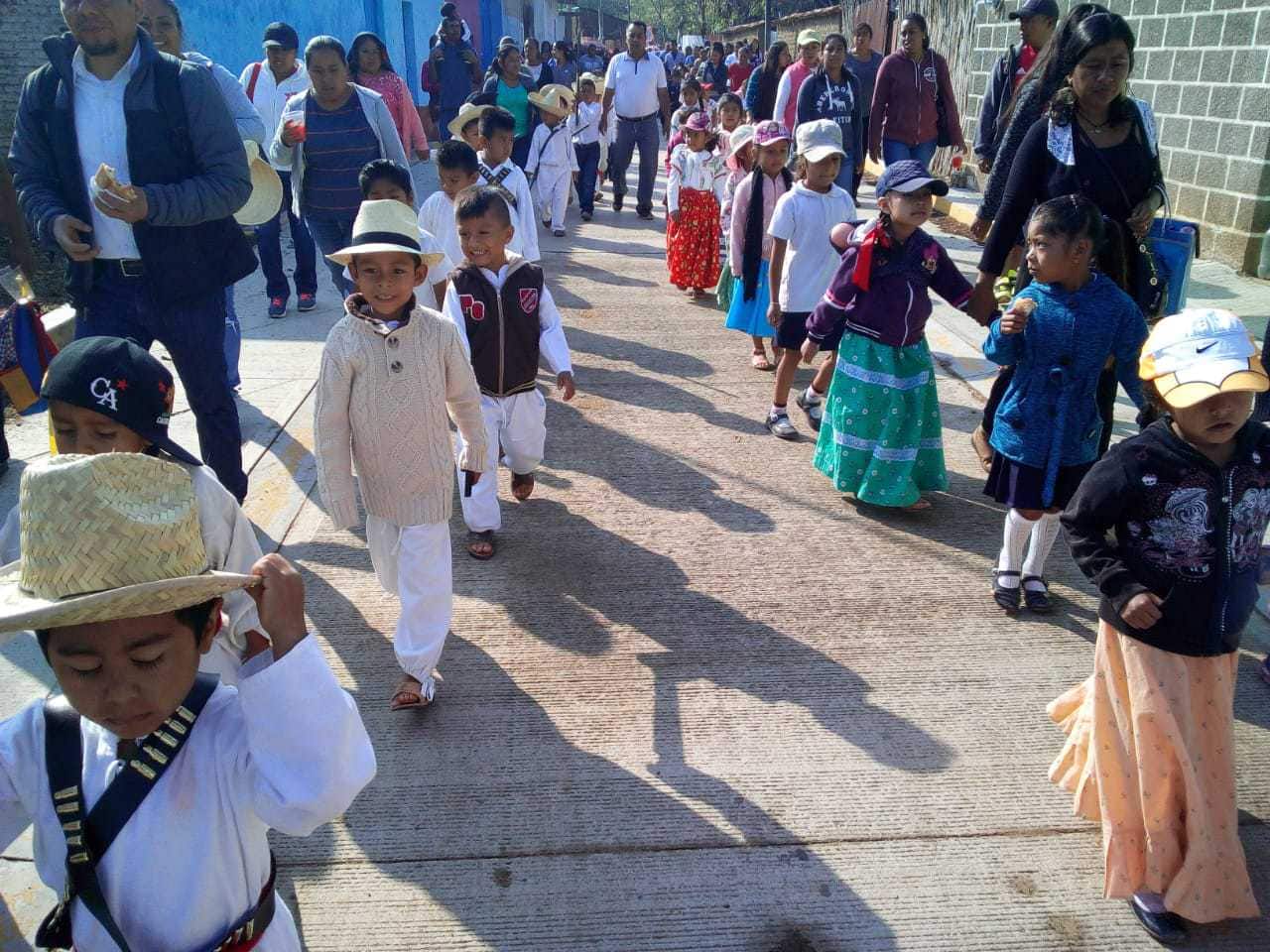
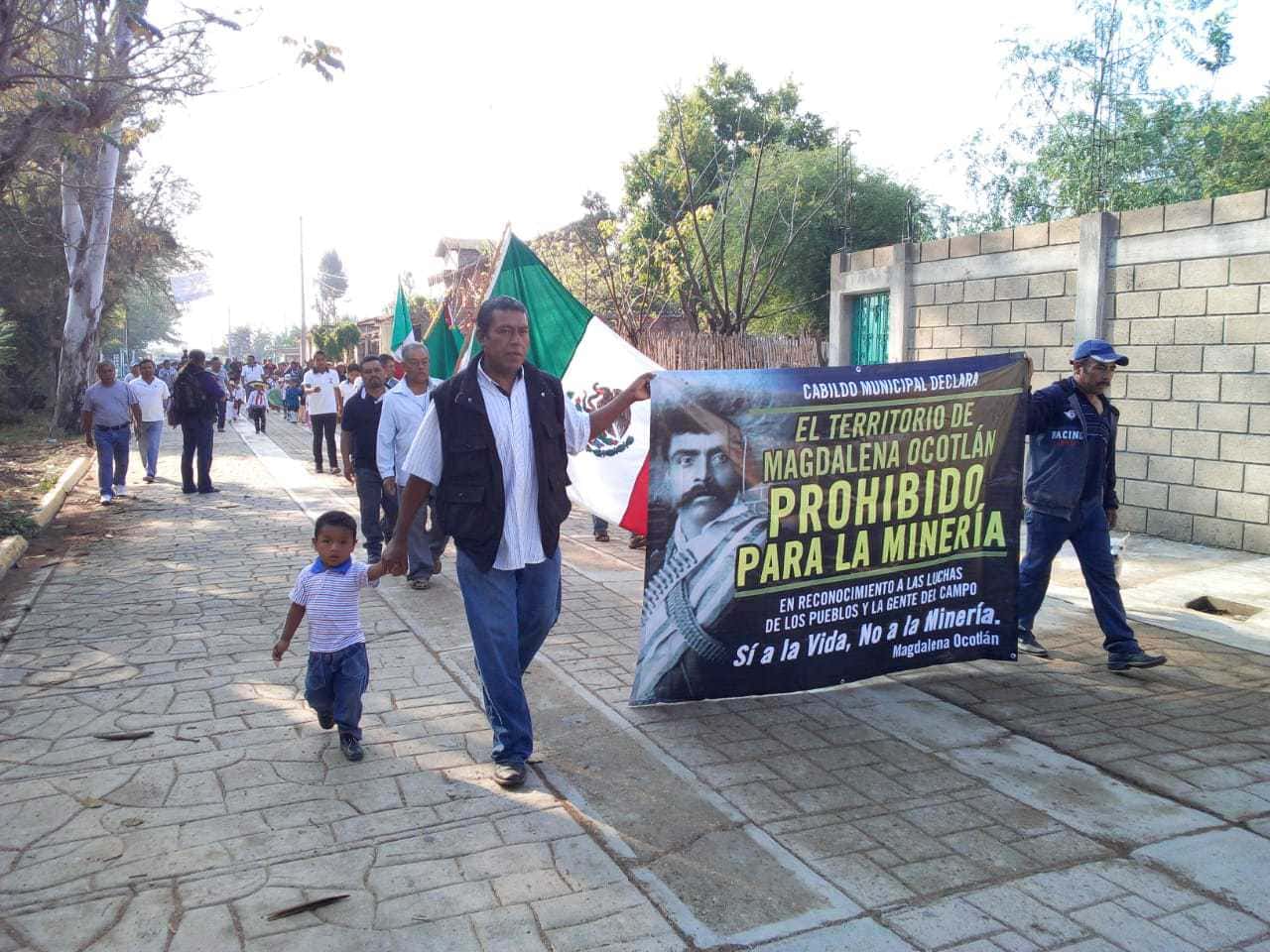
Magdalena Ocotlán, Oaxaca — On the 100th anniversary of the assassination of Emiliano Zapata, local authorities of the Zapotec town of Magdalena Ocotlán, in the Central Valleys of Oaxaca, held a town hall session to prohibit all forms of mining in their territory.
In a statement, the Municipal Council declared: “In the exercise of our rights to autonomy, self-determination, a healthy environment, territory and health, and in the framework of the 100th anniversary of the assassination of Emiliano Zapata, who fought for land for our peoples and communities, the Municipal Council of Magdalena Ocotlán has taken the firm decision to declare our territory prohibited for mining.”
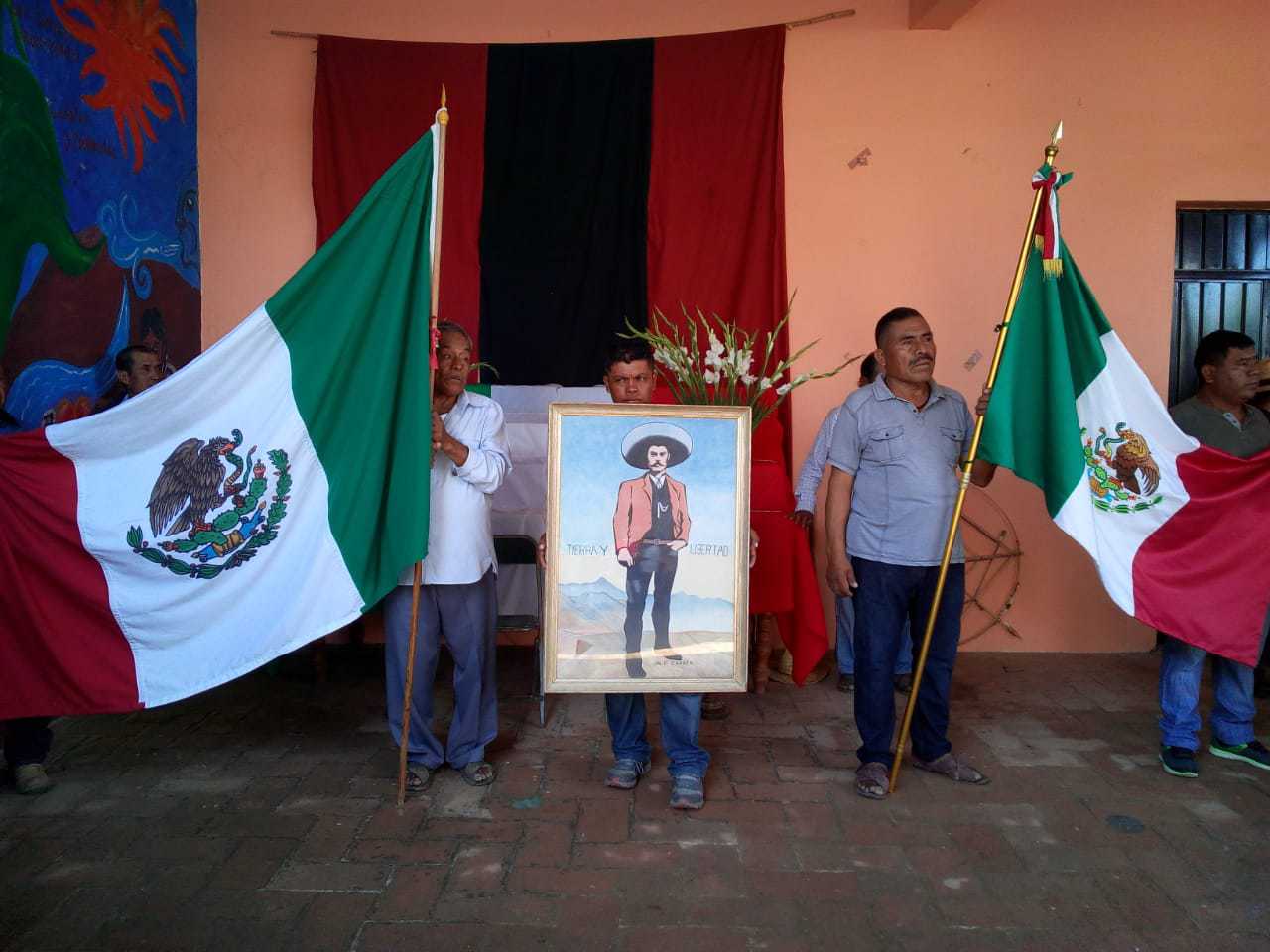
Local authorities said this prohibition includes the prospection, exploration and exploitation of minerals, as well as any national or transnational project aimed at modifying or extracting the natural assets of their territory.
Since 2009, Magdalena Ocotlán has strongly opposed the imposition of the San José mining project, operated by the Vancouver-based company Fortuna Silver Mines in the neighboring municipality of San José del Progreso. “For 10 years, the community has suffered various impacts from mining exploitation, characterized by explosions and vibrations at night, excessive dust, water contamination, arbitrary detentions, threats and intimidations,”authorities said.
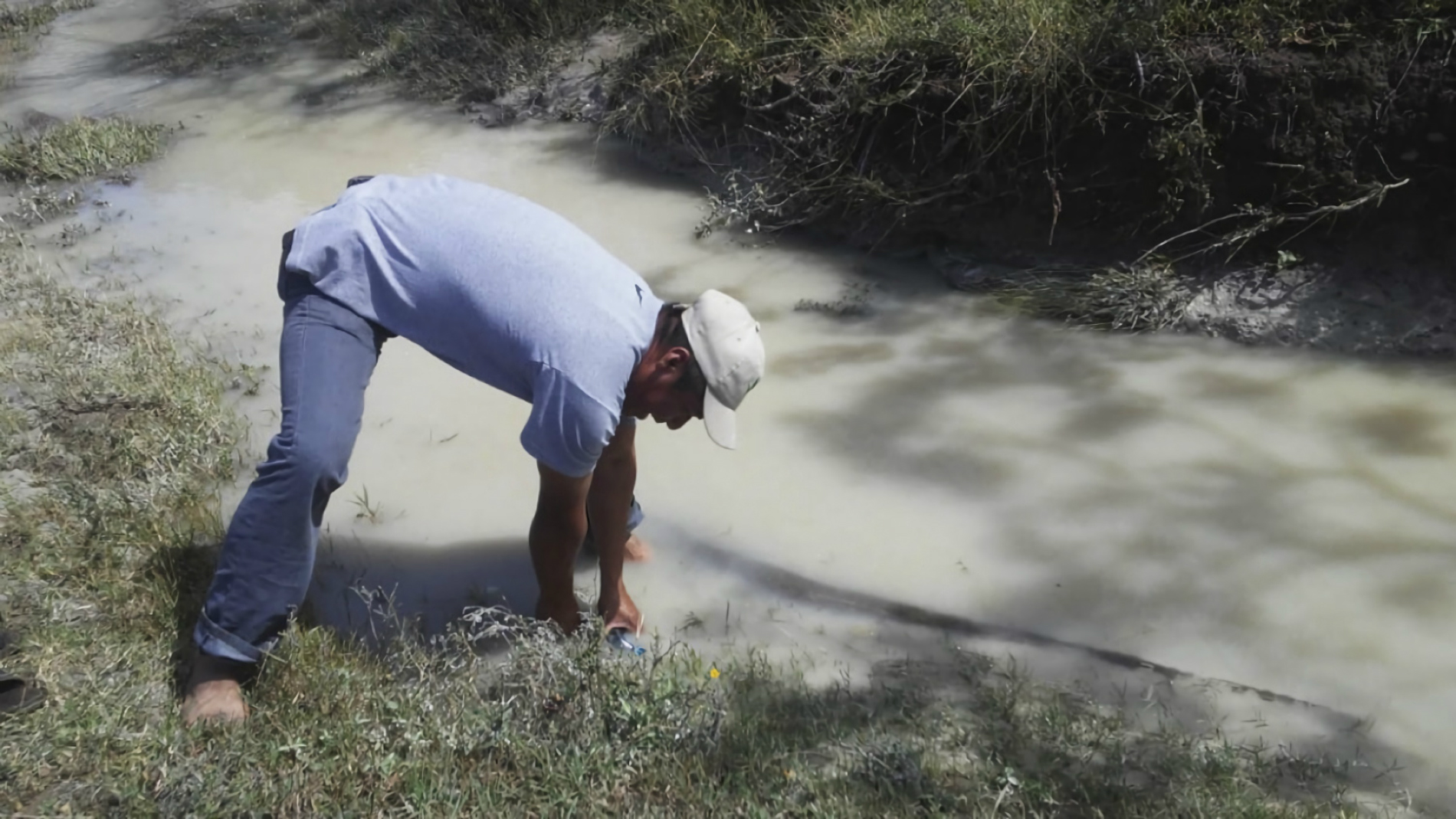
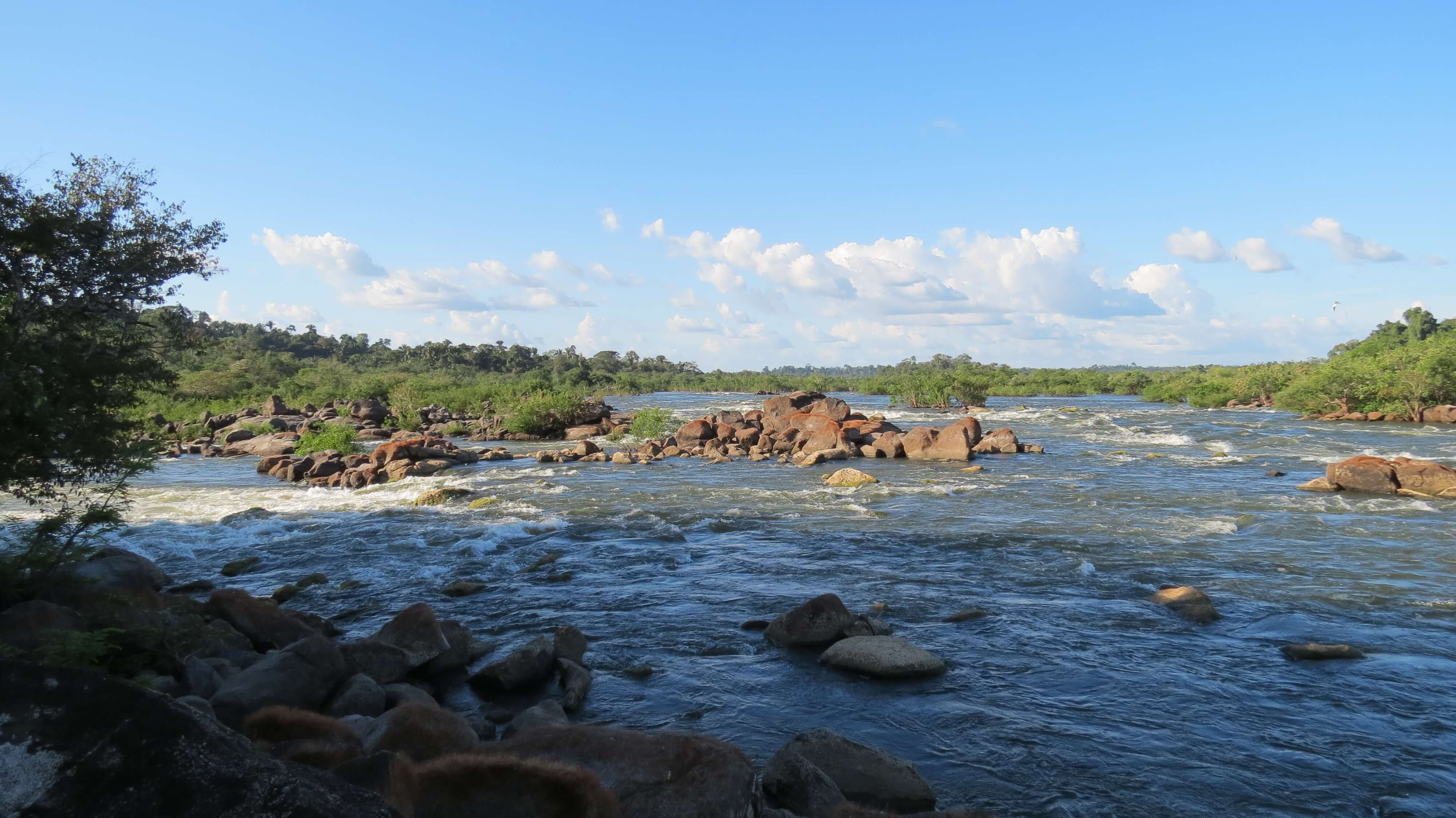
In October of last year, heavy rains caused two spills at the dry waste storage facilities of the San José Mine, affecting the Coyote River, which passes no more than ten meters from the primary drinking water well in Magdalena Ocotlán. While Mexico’s Federal Attorney’s Office for Environmental Protection (Profepa) has denied contamination from the mine, authorities and residents of the Zapotec community say they have little faith in authorities’ studies.
They are working with civil society organizations to conduct independent tests of the thick, white liquid that filled their river following the spill. In the meantime residents continue to purchase bottled water, since Profepa’s declarations “do not provide any certainty about possible contamination.”
Across the world right now, Indigenous peoples are facing a renewed assault on their lands, rights, and ways of life.
From extractive industries pushing deeper into ancestral territories, to governments rolling back hard-won protections,
the threat is global—and it is growing.
What makes this moment especially dangerous is how little attention it receives.
Stories like this are disappearing in real time. Mainstream media
barely covers it and the coverage is fragmented. The public is left without the context
needed to understand what is truly at stake.
That is exactly why IC Magazine exists..
For more than 20 years, IC has reported on Indigenous struggles worldwide — consistently, independently, and without compromise.
We don’t follow news cycles; we trace patterns. We don’t sensationalize; we provide context.
And when the world looks away, we stay focused.
But this work is increasingly difficult to sustain.
We refuse to lock our reporting behind a paywall. We don’t sell access through subscriptions.
And we don’t answer to advertisers. IC Magazine survives solely because readers like you choose to
support independent Indigenous journalism.
Please donate today if you can. Every contribution helps us to continue this crucial work.
Thank you,
John Ahni Schertow
Founder and Editor in Chief