Last Updated on April 10, 2025
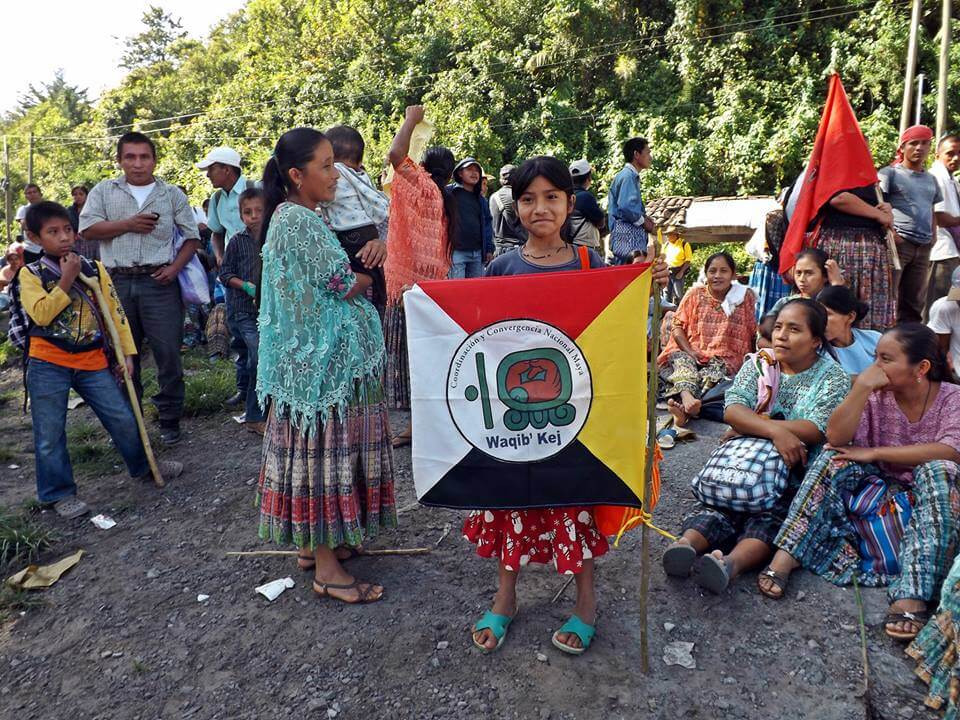
San Jose Nacahuil, a small village near Guatemala City with a majority of Maya – Kaqchikel inhabitants, made international headlines during the weekend after gunmen killed 11 people and wounded 28 more on September 7, 2013.
Media reported that corrupt officers or gangs were the main suspects in the killings that took place in two cantinas and nearby streets, but no arrests have been made. The authorities confirmed that they suspect that gangs could be involved [es].
However, indigenous communities are opposing the government’s hypothesis and demanding an investigation, as stated in a press release by the Kaqchikel community of San Jose Nacahuil and other organizations:
We are informing the international and the national community of the massacre that occurred on 7 September at 23 hours, against the Kaqchikel community of San Jose Nacahuil, in the municipality of San Pedro Ayampuc.
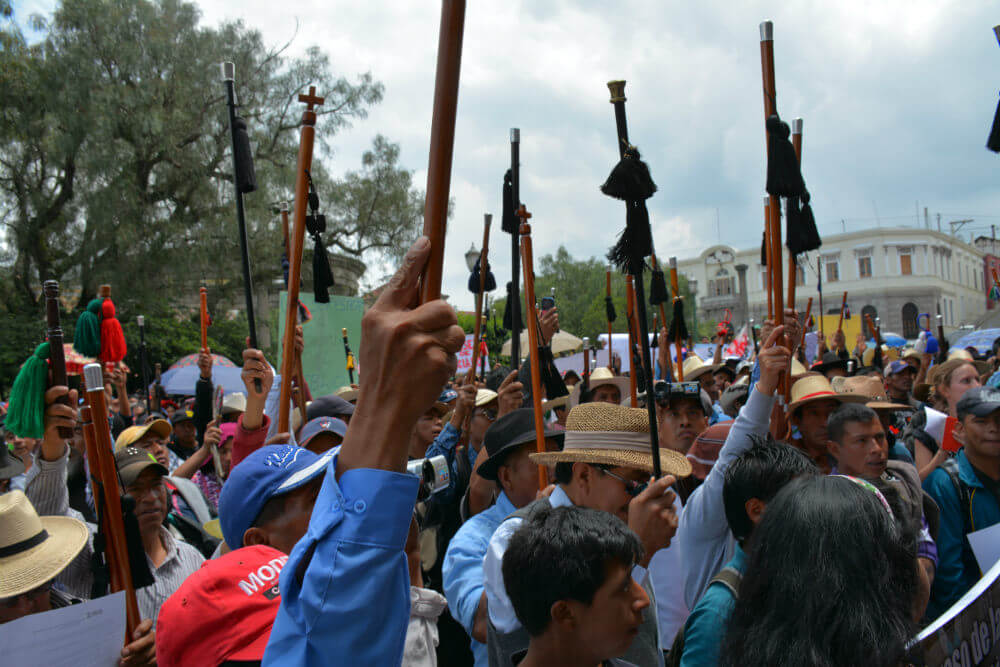
San José Nacahuil is a community of Indigenous Kaqchikel people, it has its own community authorities, and police presence is unnecessary. It is the only Mayan village and the largest community of San Pedro Ayampuc. Nacahuil has been characterized for defense of its territory against threats outside threats. Examples include TRECCSA, the electricity distribution company, the community prevented its passage, and the ongoing actions in La Puya, where there is a peaceful movement resisting a mining company
The comuniqué continues:
We are strongly opposed to the statement of the Minister of the Interior that blamed gangs, which is completely false. It is premature to make statements without having initiated an investigation.
We call on communities, national and international organizations for solidarity with the Kaqchikel people of San José Nacahuil for these bloody acts that have made the whole community mourn.
Community press from San Jose Nacahuil [es] reported that local leaders denounced increased police presence as early as August 31, 2013, and that their alerts were ignored by human rights authorities. Local reports also indicate that the police asked for names and documents of those present at the cantinas just a few hours before the massacre took place, which was later confirmed by the Ministry of Interior.
On Twitter, user @chapinesxGuate wrote: “Official versions must be questioned until they are confirmed”
Las versiones oficiales deben ser cuestionadas hasta que sean comprobadas. #SanJoséNacahuil #Guatemala
— ChapinesXGuate (@chapinesxGuate) September 8, 2013
And reporter Claudia Palma shared the following photo two days after the killings:
Vecinos de San José Nacahuil enfilan hacia el cementerio de la localidad @prensa_libre pic.twitter.com/prcodJhK0b
— Claudia Palma (@ClaudiaPalma_PL) September 9, 2013
(“Residents of San José Nacahuil walk to local cemetery”)
As the investigation is pending and no suspects have been arrested, communities wait for answers as fear spreads.
But the inhabitants of the area are no strangers to violence; conflict related to mining has increased in complexity, and aggression has progressed into growing threats and physical violence. As the community struggles to preserve their territory free from mining and militarization, placing the blame on gangs and drug lords poses a new threat to rural and indigenous activists, as it might become an excuse to justify acts of repression.
FrontLine Defenders reported on two recent cases:
During the early morning of 10 July 2013, several shots were fired outside the home of Ms Telma Yolanda Oquelí Veliz del Cid, leader of the Frente Norte del Área Metropolitana (FRENAM – Northern Front of the Metropolitan Area), a movement of community members who defend the land from the expansion of mining activities in San José del Golfo and San Pedro Ayampuc, in the Department of Guatemala. The incident happened shortly after the killing of human rights defender Mr Santos Fidel Ajau Suret, as he returned from participating in the peaceful sit-in protests against a mining project at La Puya village.
Rights Action wrote more about the community’s resistance to mining:
Since March of 2012, Guatemalan community members from the municipalities of San José del Golfo and San Pedro Ayampuc have demanded the cancellation of the American mining company Kappes Cassidy and Associates’ (KCA’s) exploitation license in the Tambor mountain region (originally owned and operated by Canadian mining company Radius Gold Inc.). Over the past 16 months, participants of the community roadblock have endured often violent and systematic repression organized by the mining company, pro-mining community members and the government.
International Peace Brigades published [es, PDF] a report on peaceful resistance in La Puya, a community which managed to resist the militarization and police control of their village by creating their own police force.
Indigenous organizations have filed a petition with the Inter-American Commission on Human Rights (IACHR) alleging that the Guatemalan government is openly supporting and protecting the mining sector by passing laws which unfairly benefit the industry.
Rights Action expressed its concern that violence and repression to defend the interests of mining companies is becoming the policy to follow in the region:
Over the past few years, in Honduras, Guatemala and El Salvador alone, there have been multiples murders, numerous armed attacks, gang-rapes, and other acts of repression against local citizens, all linked to Canadian/American mining companies: Hudbay Minerals, Goldcorp Inc, Pacific Rim, Tahoe Resources, Radius Gold, KCA Associates,
This repression and violence is guaranteed to continue, until North American citizens bring enough pressure to bear on our governments, media, companies and investors, to begin to hold them legally and morally accountable for these harms and violations.
Across the world right now, Indigenous peoples are facing a renewed assault on their lands, rights, and ways of life.
From extractive industries pushing deeper into ancestral territories, to governments rolling back hard-won protections,
the threat is global—and it is growing.
What makes this moment especially dangerous is how little attention it receives.
Stories like this are disappearing in real time. Mainstream media
barely covers it and the coverage is fragmented. The public is left without the context
needed to understand what is truly at stake.
That is exactly why IC Magazine exists..
For more than 20 years, IC has reported on Indigenous struggles worldwide — consistently, independently, and without compromise.
We don’t follow news cycles; we trace patterns. We don’t sensationalize; we provide context.
And when the world looks away, we stay focused.
But this work is increasingly difficult to sustain.
We refuse to lock our reporting behind a paywall. We don’t sell access through subscriptions.
And we don’t answer to advertisers. IC Magazine survives solely because readers like you choose to
support independent Indigenous journalism.
Please donate today if you can. Every contribution helps us to continue this crucial work.
Thank you,
John Ahni Schertow
Founder and Editor in Chief