
Last Updated on May 5, 2026
As mining threats intensify across the Palawan Man & Biosphere Reserve, Indigenous communities are rising with renewed force. They are forging powerful alliances – not only with farmers and fisherfolk, but with students, church leaders, and broad sectors of civil society determined to defend their land.
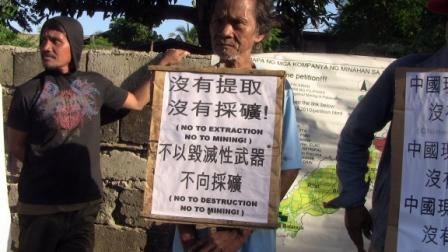
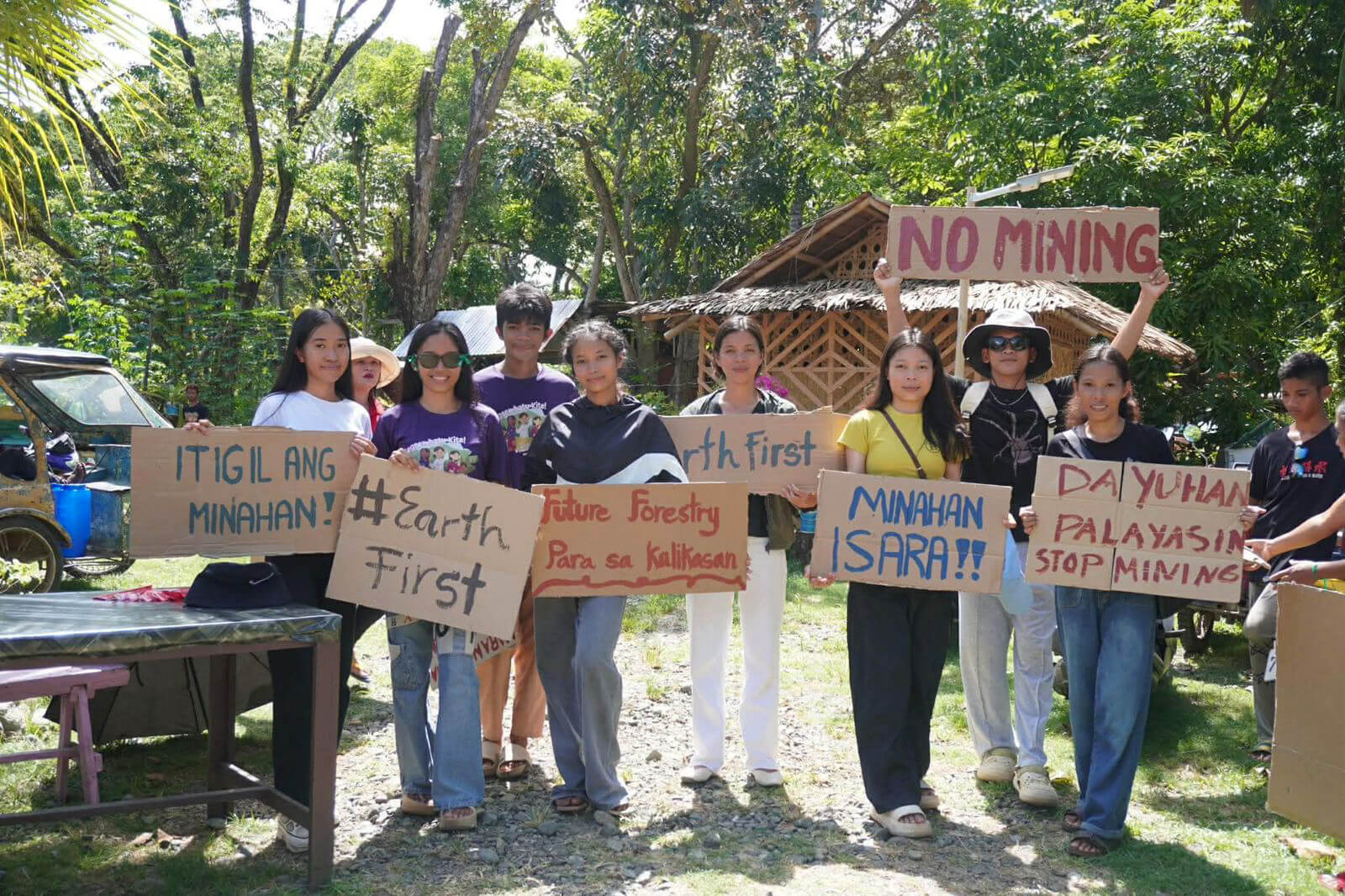
On May 4, the streets of Brooke’s Point surged with resistance, as hundreds of anti‑mining demonstrators marched toward the new Municipal Hall, demanding once again an end to the plunder devastating both the ecological integrity of the region and the livelihoods of its traditional communities. If the siltation of rivers, seas, and rice fields continues, one of Palawan’s most beautiful municipalities will be stripped of its future.
The path to the rally was not without intimidation. In several barangays, Indigenous participants were threatened by pro‑mining actors spreading lies – claiming that police would arrest anyone who joined the protest. In other cases, some people attempted to bribe residents with 500 pesos (around $8 USD) to stay home and remain silent.
“We did not feel safe during the rally” a young Pala’wan woman shared. “Motorcycles kept circling, taking pictures of us… who knows how these will be used.”
Despite these tactics, at least 700 people stood their ground and joined the march. Around 300 others were prevented from attending due to threats encountered along the way. Still, the movement held firm, uniting around a clear call: “Decent and Lasting Livelihoods, Not Temporary Mining Income!”
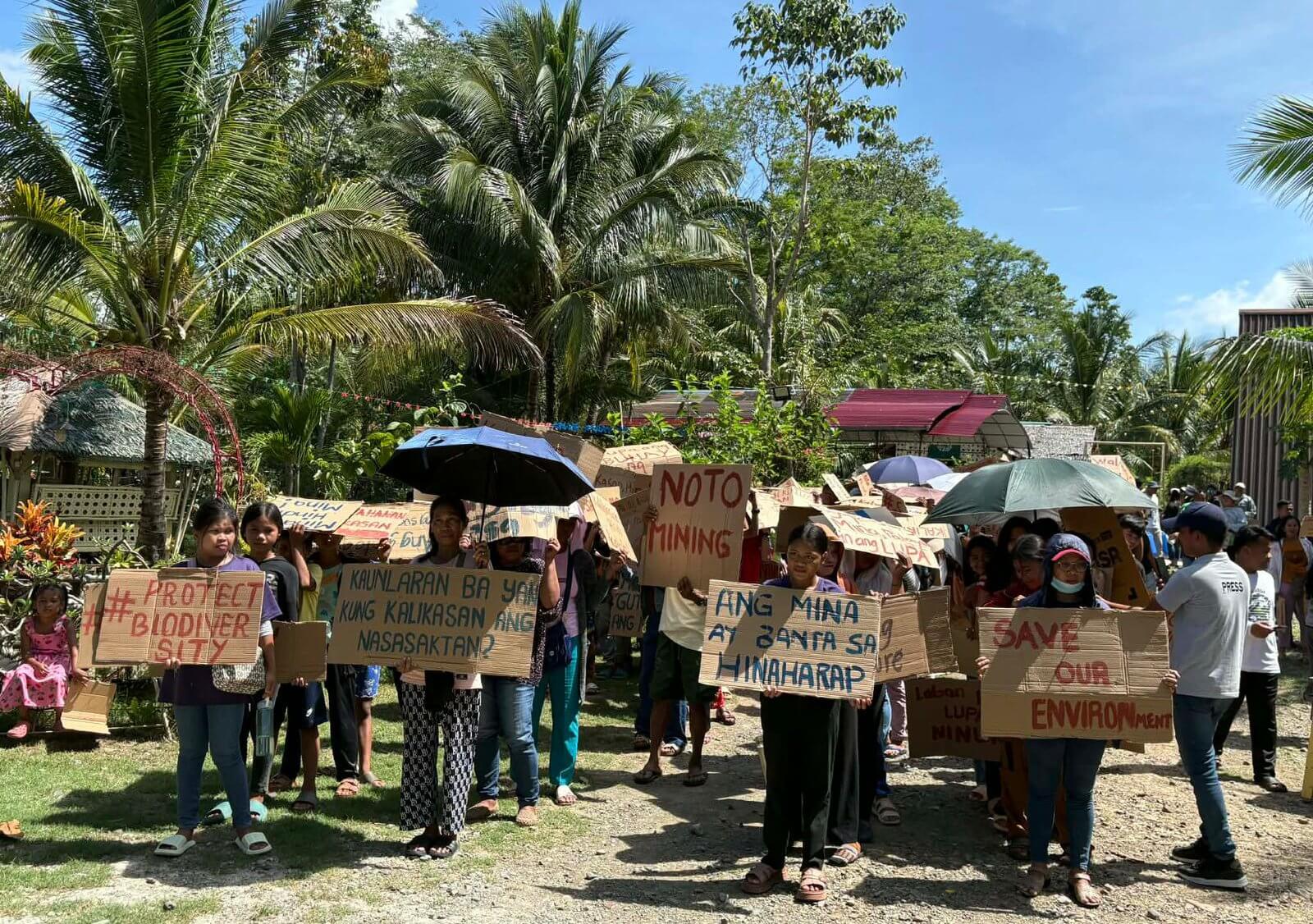
Indigenous women protesters during the rally
A graduate student at the rally challenged the dominant narrative head‑on: “The state‑driven claim that mining brings prosperity to our municipality must be dismantled. Mining jobs are temporary and scarce, but the destruction of our land and water is permanent. Real development does not annihilate the environment that sustains our long‑term livelihoods and cultural identity.”
Forest products such as wild honey, rattan, and almagica resin – alongside sustainable farming – remain essential to the survival of hundreds of Indigenous communities across the municipality.
“Our forest is like a supermarket” an Indigenous activist explained. “We enter it and find food for our families; the good thing is that we don’t pay for it. But to get what we need, we must care for the forest. Now the company wants to destroy, in a few years, what our ancestors protected since time immemorial. We will not allow this.”
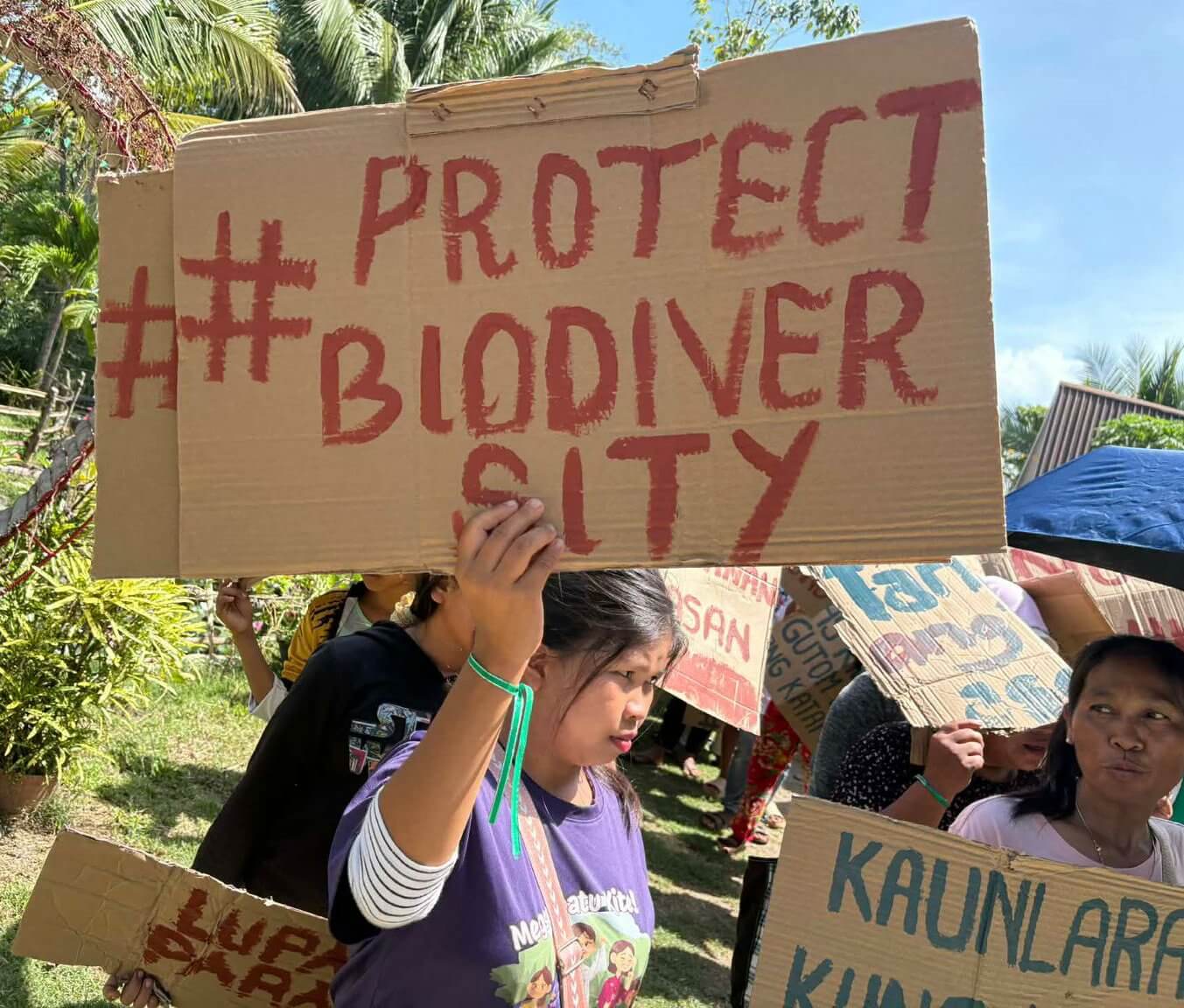
An indigenous woman during the rally
The irony is that the Philippines has some of Asia’s strongest environmental and Indigenous rights laws. Yet corruption and impunity hollow them out. The very authorities tasked with enforcing these laws often undermine them, enabling powerful families, political dynasties, and mining corporations to paralyze legal protections meant for the most vulnerable. Private interests continue to triumph at the expense of millions of Filipinos.
Even the landmark Indigenous Peoples’ Rights Act (IPRA) – created to recognize and protect Indigenous cultural communities – is under attack. Legislative proposals such as House Bill No. 9608 and House Bill 621 seek to transfer key IPRA functions from the National Commission on Indigenous Peoples (NCIP) to the Department of Environment and Natural Resources (DENR). But DENR, through its Mines and Geosciences Bureau (MGB), is the very agency that grants mining permits. If ancestral domain functions are moved to DENR, MGB could become an implementing arm – effectively placing Indigenous rights under the authority of those who profit from their erosion. This would mark the final death of IPRA.
Local governments, including the Palawan Provincial Board, have opposed these moves, warning that they would strip NCIP of its core mandate. But the crisis runs deeper. As one Pala’wan leader at the rally stated: “some NCIP officials have no passion, no knowledge, and no will to help us. They are selling out our communities to mining companies. A good law in the hands of corrupt officials becomes a weapon against the people.”
Participants also denounced the manipulation of the Free and Prior Informed Consent (FPIC) process. Although mining agreements cannot legally proceed without genuine community consent, these safeguards are routinely violated. Fake ‘tribal leaders’ with no legitimacy are elevated by NCIP to approve mining projects, while respected Pala’wan leaders – the true stewards of ancestral domains – are sidelined. Groups like IPDO BICAMM, created through collusion between mining companies and NCIP, do not represent Indigenous communities. In response, legitimate leaders are reorganizing through groups such as PEKP (traditional leaders), supported by MKE (women’s groups) and SAMAKA (youth opposing mining).
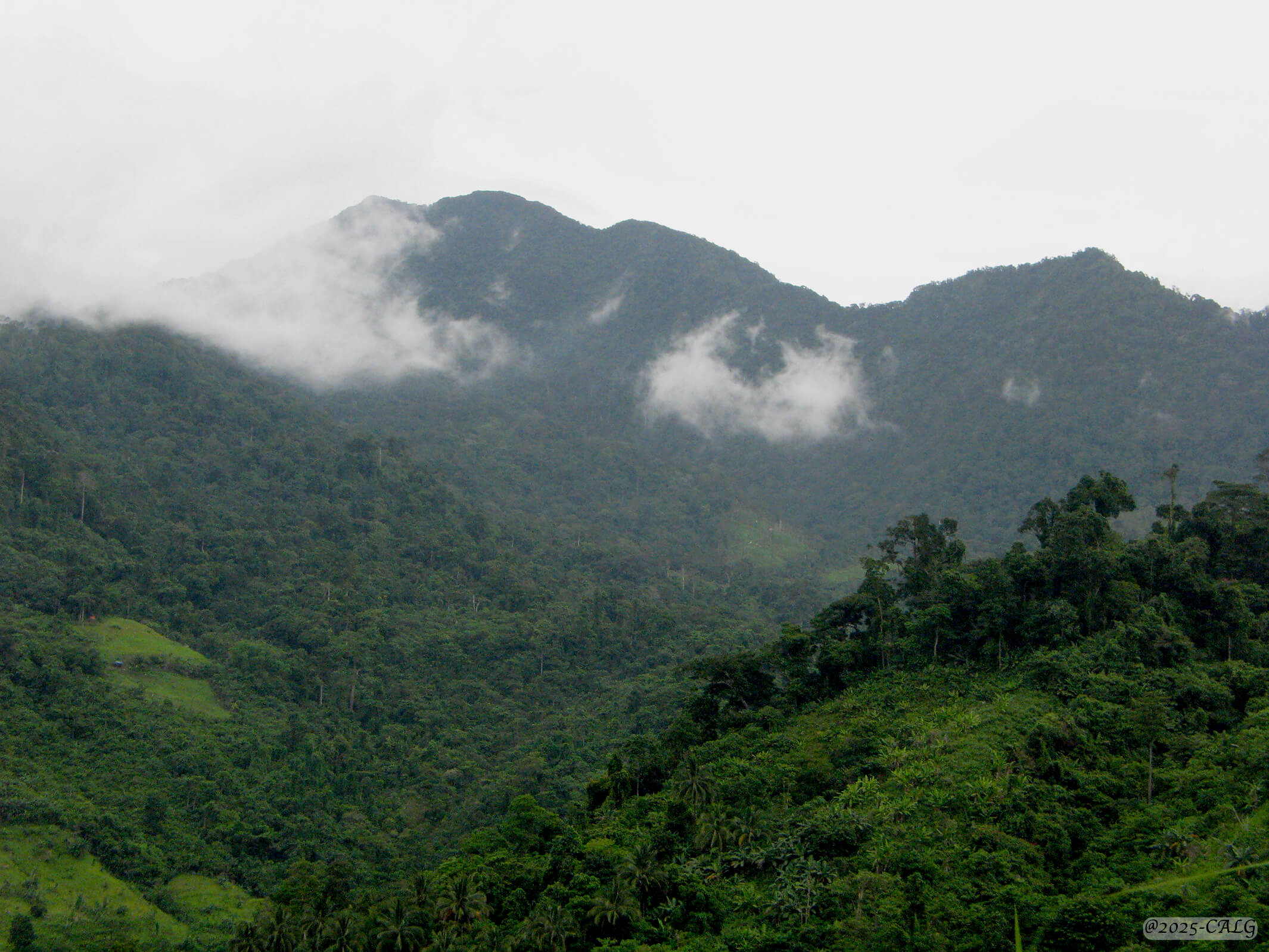
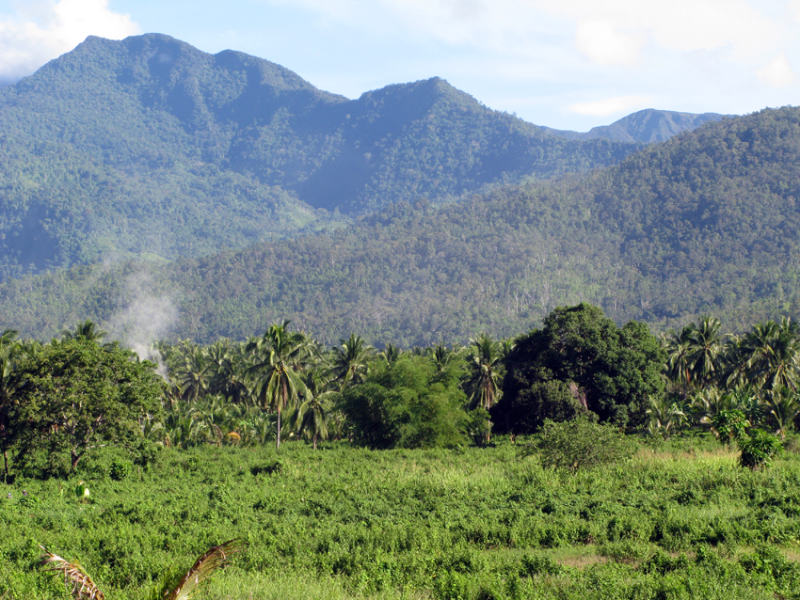
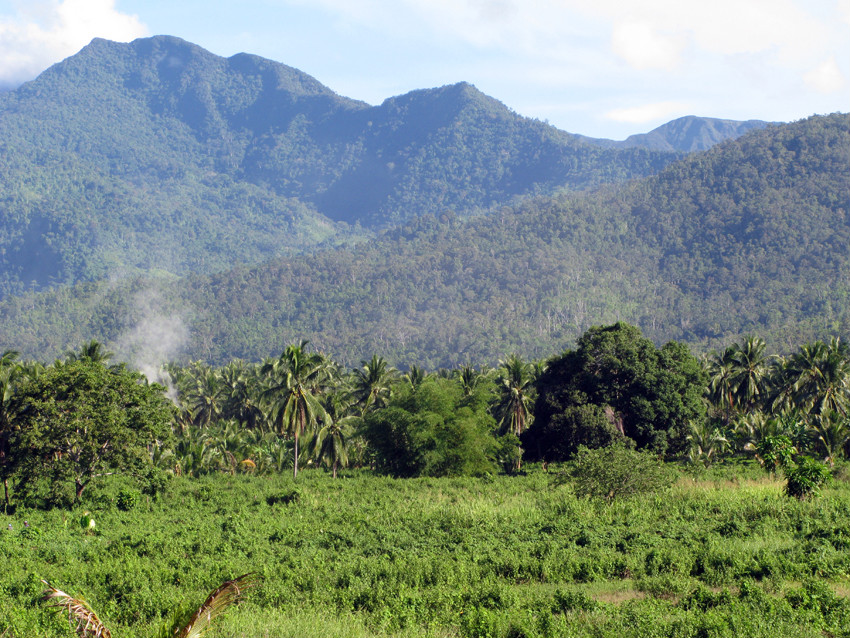
Pristine Gantong forest under mining siege
Meanwhile, the Save Palawan Movement, together with church and civil society leaders, has urged District Representative Hon. Rose Salvame to investigate mining‑linked tree‑cutting permits. Public records reveal that at least 218,854 trees have already been targeted under ‘Special Tree Cutting and Earth‑Balling Permits’ for mining operations in Palawan. This number is staggering – not only because of the trees themselves, but because each permit threatens watersheds, biodiversity, soil stability, and the entire ecological system that sustains life on the island.
The May 4 rally made one thing unmistakably clear: civil society’s resistance is growing, determined, and unyielding. This expanding coalition of anti‑mining forces refuses to back down. They will continue the struggle until every last piece of mining equipment is removed and the island of Palawan is safeguarded for generations to come.
Across the world right now, Indigenous peoples are facing a renewed assault on their lands, rights, and ways of life.
From extractive industries pushing deeper into ancestral territories, to governments rolling back hard-won protections,
the threat is global—and it is growing.
What makes this moment especially dangerous is how little attention it receives.
Stories like this are disappearing in real time. Mainstream media
barely covers it and the coverage is fragmented. The public is left without the context
needed to understand what is truly at stake.
That is exactly why IC Magazine exists..
For more than 20 years, IC has reported on Indigenous struggles worldwide — consistently, independently, and without compromise.
We don’t follow news cycles; we trace patterns. We don’t sensationalize; we provide context.
And when the world looks away, we stay focused.
But this work is increasingly difficult to sustain.
We refuse to lock our reporting behind a paywall. We don’t sell access through subscriptions.
And we don’t answer to advertisers. IC Magazine survives solely because readers like you choose to
support independent Indigenous journalism.
Please donate today if you can. Every contribution helps us to continue this crucial work.
Thank you,
John Ahni Schertow
Founder and Editor in Chief