The Dene Peoples are one of the Indigenous groups of Canada, residing primarily in the Northwest Territories, Yukon, northern Alberta, Saskatchewan, Manitoba, and parts of British Columbia. They are part of the larger Athabaskan language family and have lived on the lands of the subarctic for thousands of years. Traditionally, the Dene were semi-nomadic, relying on hunting, fishing, and gathering, particularly caribou, moose, and fish, for sustenance. Their spiritual connection to the land is central to their identity, reflected in their stories, ceremonies, and community practices that honor the natural world.
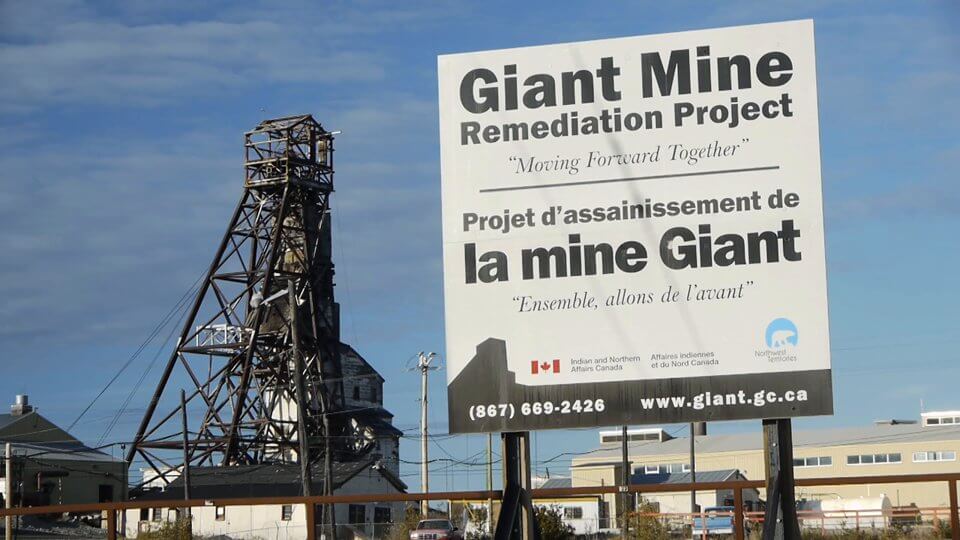
The Dene face pressing challenges stemming from colonial legacies, climate change, and environmental degradation. Historical injustices such as residential schools and forced assimilation disrupted cultural continuity and caused intergenerational trauma. Today, the melting of permafrost and shifts in wildlife migration due to climate change severely impact traditional hunting practices and food security. Moreover, industrial development, including mining and oil extraction, threatens their territories and sacred sites, leading to ongoing legal and political battles over land rights and environmental protection.
Despite these hardships, the Dene Peoples are recognized for their resilient spirit and leadership in Indigenous resurgence. They are reclaiming and teaching their languages, traditional knowledge, and ceremonies through community programs and education. Dene leaders have been vocal advocates in national and international forums, addressing climate justice and Indigenous sovereignty. Their efforts to blend traditional ecological knowledge with modern science to protect the environment serve as an inspiring example of how Indigenous wisdom can shape a sustainable future for all.