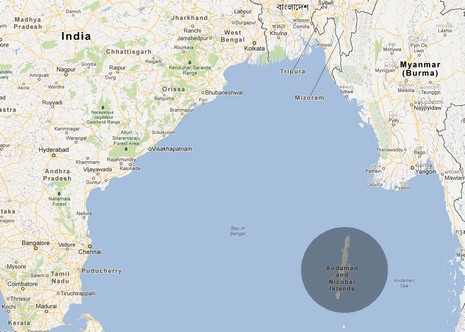
The Jarawa peoples are one of the Indigenous tribes of the Andaman Islands, located in the Bay of Bengal, India. Believed to have lived on the islands for tens of thousands of years, the Jarawa maintain a traditional hunter-gatherer lifestyle, relying on forest resources, wild game, and coastal fishing. With an estimated population of around 400, they have historically chosen to live in voluntary isolation, preserving their unique language, customs, and social structures away from mainstream society.
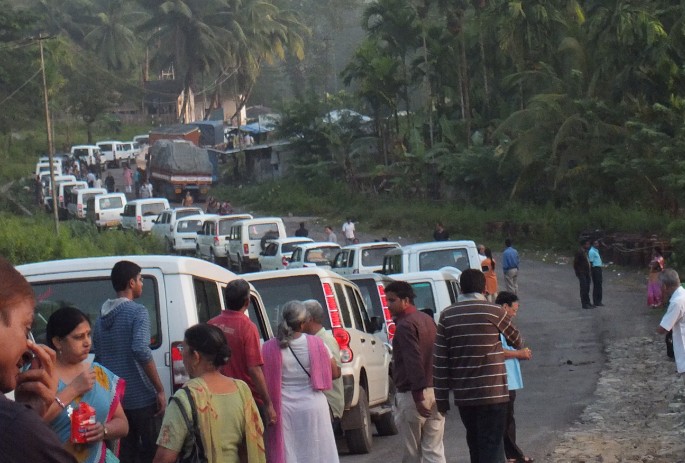
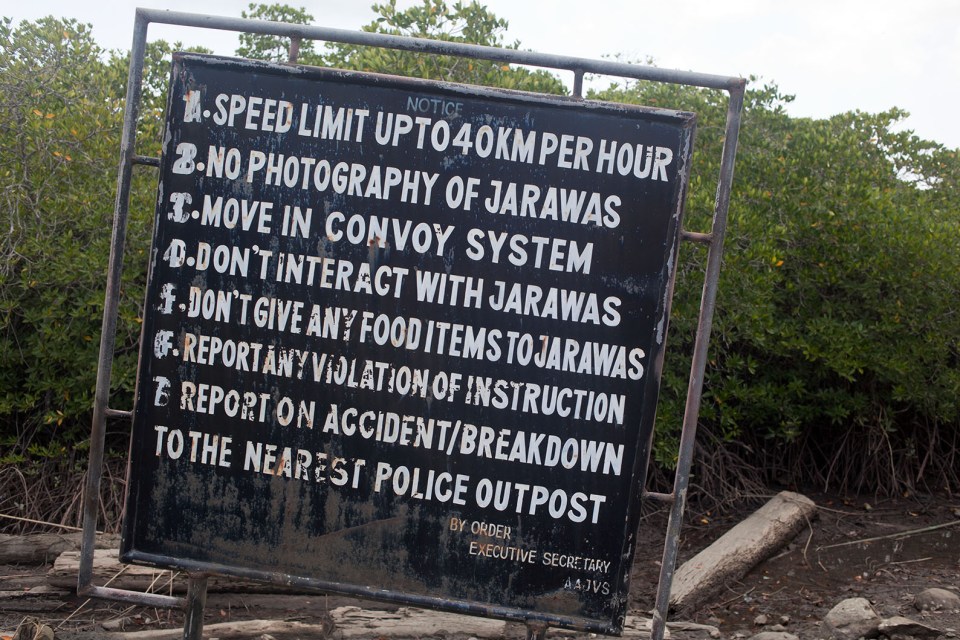
The Jarawa face severe challenges due to increased contact with the outside world. The construction of the Andaman Trunk Road through their territory has led to greater exposure to disease, exploitation, and cultural disruption. Tourism, illegal poaching, and land encroachment continue to threaten their way of life. Additionally, pressure from commercial interests and inadequate enforcement of protections undermine their right to autonomy and self-determination as enshrined in Indian law.
What is inspiring about the Jarawa is their resistance to assimilation and resilience in protecting their cultural integrity. Despite external pressures, the community has asserted its preference for isolation and minimal contact with outsiders. Legal advocates and human rights organizations continue to support their right to self-governance and land protection. The Jarawa’s ability to maintain their traditions in the face of globalization serves as a vital reminder of the importance of respecting Indigenous sovereignty and cultural diversity.