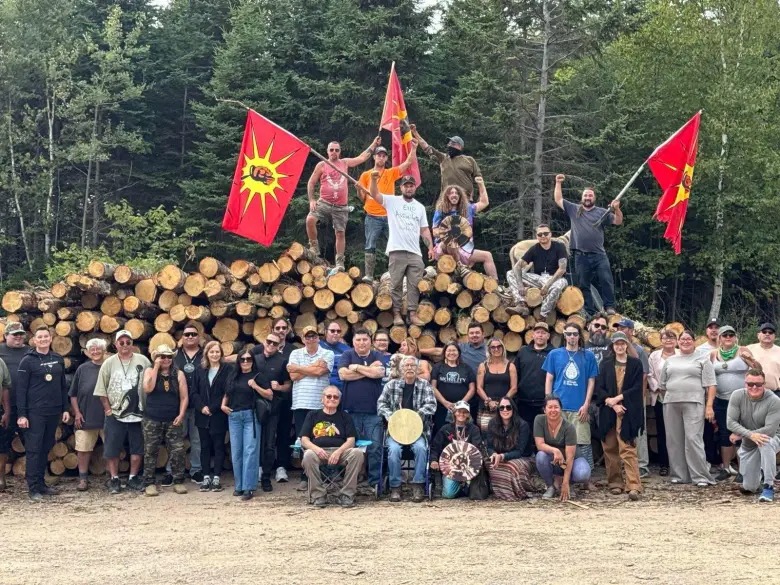
The Mi’kmaq Nation has lived for thousands of years across the northeastern region of North America, particularly in what is now Nova Scotia, New Brunswick, Prince Edward Island, parts of Quebec, and Newfoundland, as well as northern Maine. As part of the Wabanaki Confederacy, the Mi’kmaq have a deep relationship with their territories, sustained by hunting, fishing, and spiritual practices tied to the land and sea. Their governance systems, oral traditions, and treaty-making history showcase a highly organized and sovereign society.
Despite historic treaties signed with the British Crown, the Mi’kmaq continue to face significant challenges regarding treaty recognition, land rights, and access to natural resources. Legal battles over fishing rights, such as the fight for a moderate livelihood fishery, have sparked national and international attention. In recent years, Mi’kmaq land defenders have confronted industrial encroachment, pollution, and colonial policies that threaten both ecological balance and cultural autonomy. Systemic inequities in health, education, and infrastructure remain persistent issues.
Inspiring movements within the Mi’kmaq Nation highlight a revival of culture, language, and political agency. Communities have launched immersive language programs, cultural revitalization efforts, and educational initiatives led by Elders and knowledge keepers. Perhaps most powerfully, the Mi’kmaq have taken unprecedented steps in reclaiming economic sovereignty, including the historic acquisition of commercial fisheries. These achievements not only restore traditional lifeways but also reinforce the role of the Mi’kmaq as stewards and sovereign caretakers of their ancestral homelands.