
Last Updated on October 2, 2025
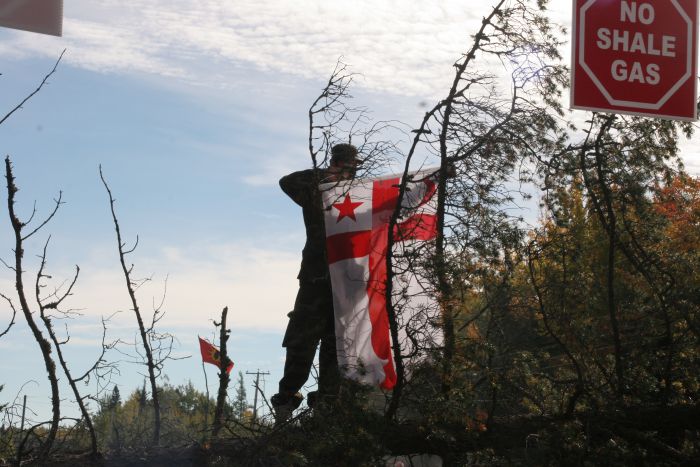
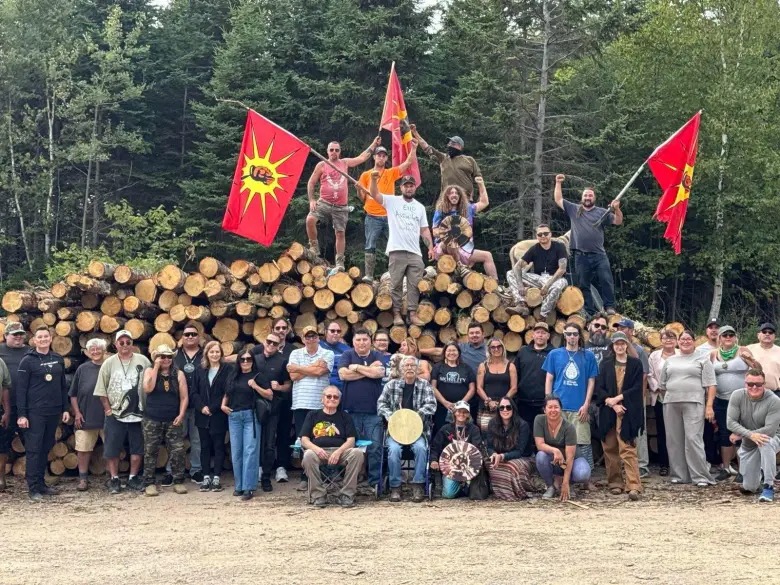
Mi’kmaw land protectors say they will stay put at Hunters Mountain (Tqamuoweye’katik) in Cape Breton, despite a controversial Nova Scotia bill that critics warn would criminalize peaceful protests on Crown lands.
The Protecting Nova Scotians Act (Bill 127), introduced by the provincial government on Sept. 23, includes a clause that would forbid blocking forest access roads and permit the removal of structures without notice on Crown land. Offenders could face fines up to $50,000 and/or six months in jail.
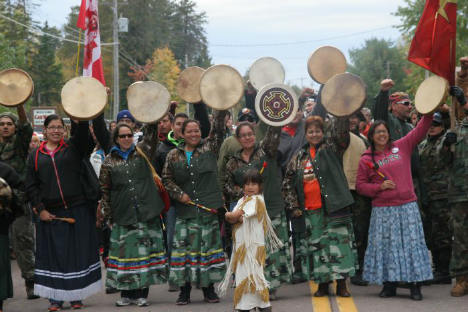
At the Hunters Mountain site, land defenders have maintained a checkpoint and cedar line for about a month. They say their presence is rooted in treaty rights and environmental stewardship, not obstruction.
“For generations, we have been the caretakers of these mountains, rivers, and forests. Yet our voices are ignored while others profit from what is rightfully ours. Logging operations continue unchecked—even during the so-called “wilderness ban”—while the very First People of these lands were excluded,” the Mi’kmaq said in a statement.
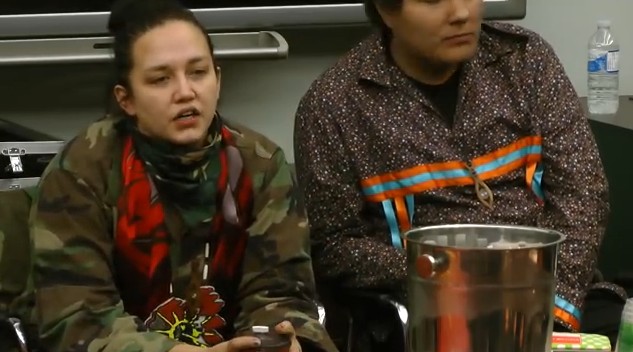
“This government has shown a disregard and a lack of respect … we’re not going anywhere,” said Michelle Paul, a water protector, during testimony before a provincial legislative committee.
The Assembly of Nova Scotia Mi’kmaw Chiefs released a statement saying the bill was drafted without prior consultation with Mi’kmaq leadership. Several amendments appear to target protest activity on Crown lands, they said, “at a time when there are active community concerns” about logging and land management.
During hearings, voices from multiple quarters questioned whether the bill infringes on constitutional protections for peaceful protest and Indigenous rights. Leitha Haysom, a former municipal councillor, called the move “dangerous and destructive,” arguing that it could chill public participation in land-use decisions.
Tuma Wilson, a law professor and legal advisor at the camp, asserted that the Mi’kmaq hold an inherent right to be on the land, and urged lawmakers to reverse the approach of punitive enforcement.
“If anything, the Crown Lands Act should be amended to reflect the fact that it is our land and that we work in tandem with you to protect it,” said Wilson.
The camp at Hunters Mountain was established in response to clear-cutting operations on Mi’kmaw ancestral land.
The protectors say the protest is not just about stopping logging trucks but about upholding treaty rights and asserting a duty to care for the moose population, sacred sites and medicines of the land.
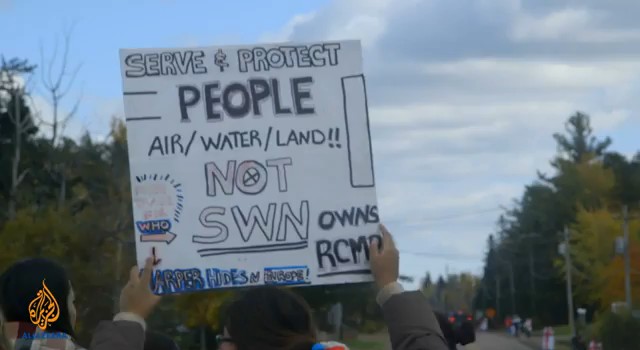
“Despite threats from the RCMP to detain land protectors, the Mi’kmaw stand strong in solidarity to display their urgency to protect the mountain from further harm. They say the mountain means more to them than fear of detainment,” Nangoonskeh Rose Jacobs said for APTN.
Land protectors describe the encampment as both a place of ceremony and a political stand.
The blockade, they emphasize, is not aimed at the public. Supporters continue to allow local residents and visitors access to the area. Instead, it is a direct challenge to what they see as provincial overreach and a failure to respect Mi’kmaw jurisdiction over their homelands.
Across the world right now, Indigenous peoples are facing a renewed assault on their lands, rights, and ways of life.
From extractive industries pushing deeper into ancestral territories, to governments rolling back hard-won protections,
the threat is global—and it is growing.
What makes this moment especially dangerous is how little attention it receives.
Stories like this are disappearing in real time. Mainstream media
barely covers it and the coverage is fragmented. The public is left without the context
needed to understand what is truly at stake.
That is exactly why IC Magazine exists..
For more than 20 years, IC has reported on Indigenous struggles worldwide — consistently, independently, and without compromise.
We don’t follow news cycles; we trace patterns. We don’t sensationalize; we provide context.
And when the world looks away, we stay focused.
But this work is increasingly difficult to sustain.
We refuse to lock our reporting behind a paywall. We don’t sell access through subscriptions.
And we don’t answer to advertisers. IC Magazine survives solely because readers like you choose to
support independent Indigenous journalism.
Please donate today if you can. Every contribution helps us to continue this crucial work.
Thank you,
John Ahni Schertow
Founder and Editor in Chief