The Nasa are an Indigenous nation rooted in the highlands of southwestern Colombia, particularly in the departments of Cauca, Huila, and Tolima. Their ancestral knowledge systems are intricately tied to the land, with traditional practices involving communal farming, spiritual ceremonies, and a deep respect for nature. The Nasa speak Nasa Yuwe, a language that continues to be passed down despite the pressures of colonization and armed conflict. Their social structure is founded on collective responsibility, guided by the principle of “life in harmony” with the Earth and all beings.
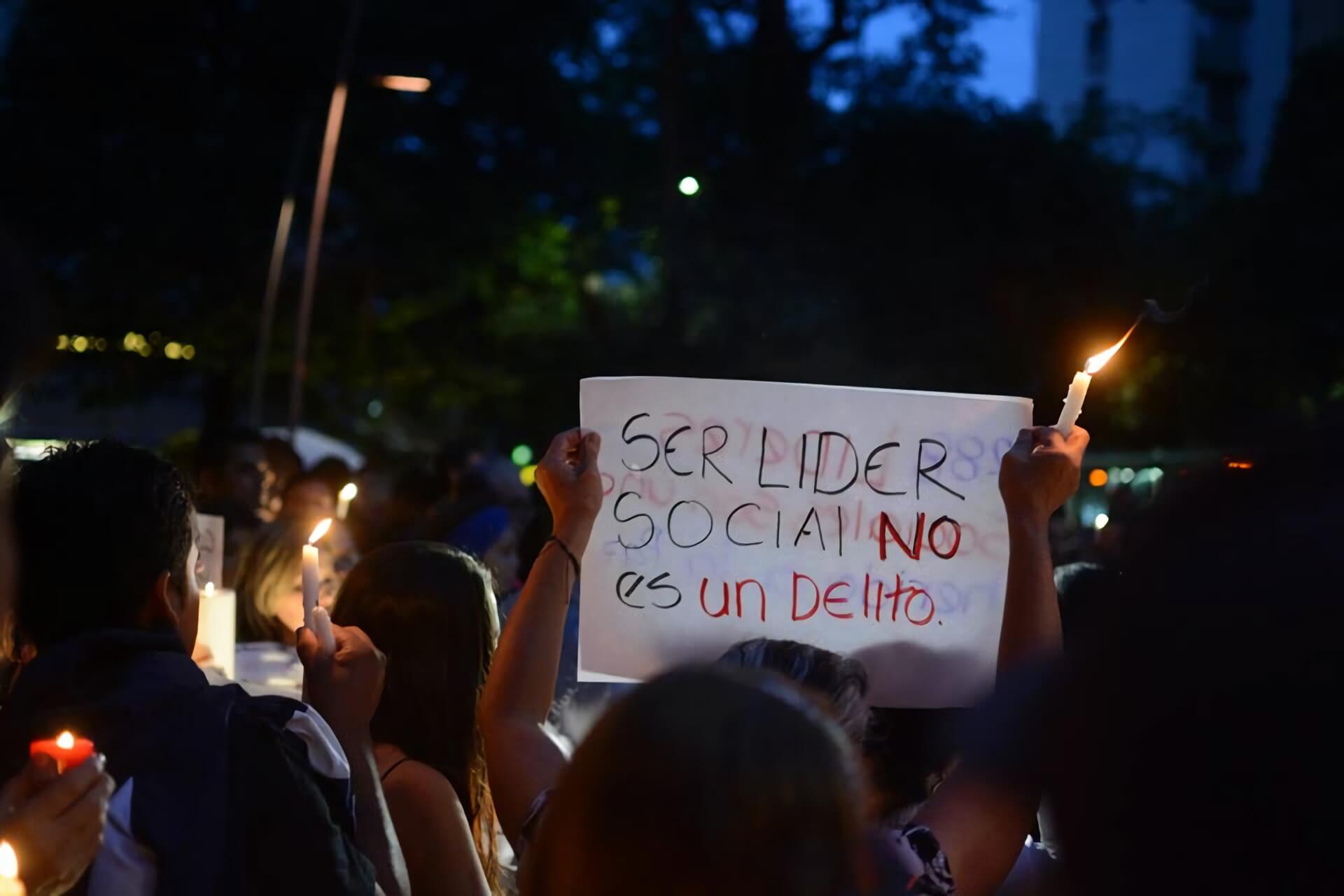
The Nasa have faced numerous challenges due to the protracted armed conflict in Colombia. Their territories have often been caught in the crossfire between state forces, guerrilla insurgents, and criminal networks. This violence has led to displacement, land contamination, and threats to Indigenous leaders who defend community rights. In addition, extractive industries continue to target their lands, threatening ecosystems and sacred sites without proper consultation. These pressures undermine cultural survival, health, and territorial sovereignty.
Despite decades of adversity, the Nasa are internationally recognized for their peaceful resistance and autonomous governance. Through the Indigenous Guard (Guardia Indígena)—a nonviolent, community-based security system—the Nasa protect their lands and communities from external threats. They have also established their own education systems, health networks, and legal frameworks rooted in ancestral knowledge. Their ability to rebuild, organize, and inspire cross-cultural solidarity showcases an enduring spirit of resistance and a powerful model of self-determination.