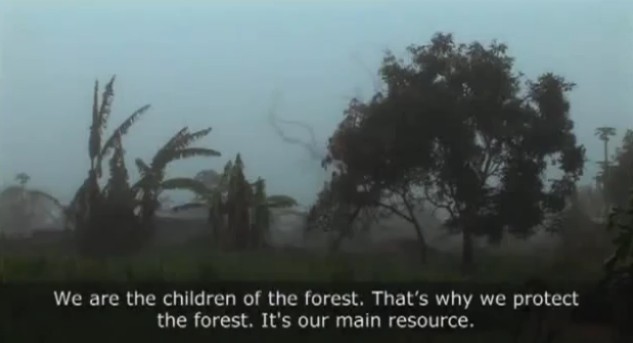
The Bayaka, also known as the BaAka or Biaka, are a semi-nomadic Indigenous people who live primarily in the tropical rainforests of the Central African Republic, Republic of the Congo, and northern Democratic Republic of the Congo. They are part of the broader group often referred to as “Pygmies,” though many now prefer specific group names. Renowned for their intimate knowledge of forest ecology, the Bayaka are skilled hunter-gatherers, herbalists, and musicians. Their cultural life is deeply embedded in the forest, which they view as both home and sacred.
The Bayaka face ongoing threats from deforestation, conservation policies, and social discrimination. Logging and commercial agriculture have destroyed large tracts of forest, displacing many Bayaka communities. Additionally, conservation efforts, such as the creation of national parks, often exclude the Bayaka from ancestral lands without adequate consultation or compensation. They are frequently subjected to social exclusion, lack access to education and healthcare, and endure poverty and violence from dominant groups, including park rangers and neighboring communities.
Despite these adversities, the Bayaka are increasingly involved in cultural preservation, self-advocacy, and sustainable forest management. Indigenous-led initiatives and partnerships with NGOs have helped support traditional music, storytelling, and ecological practices. Organizations like Survival International and local grassroots groups have amplified Bayaka voices in land rights debates. The Bayaka’s resilience and their deep-rooted knowledge of the forest continue to inspire global conversations around Indigenous wisdom, environmental stewardship, and human rights.