
Last Updated on February 9, 2013
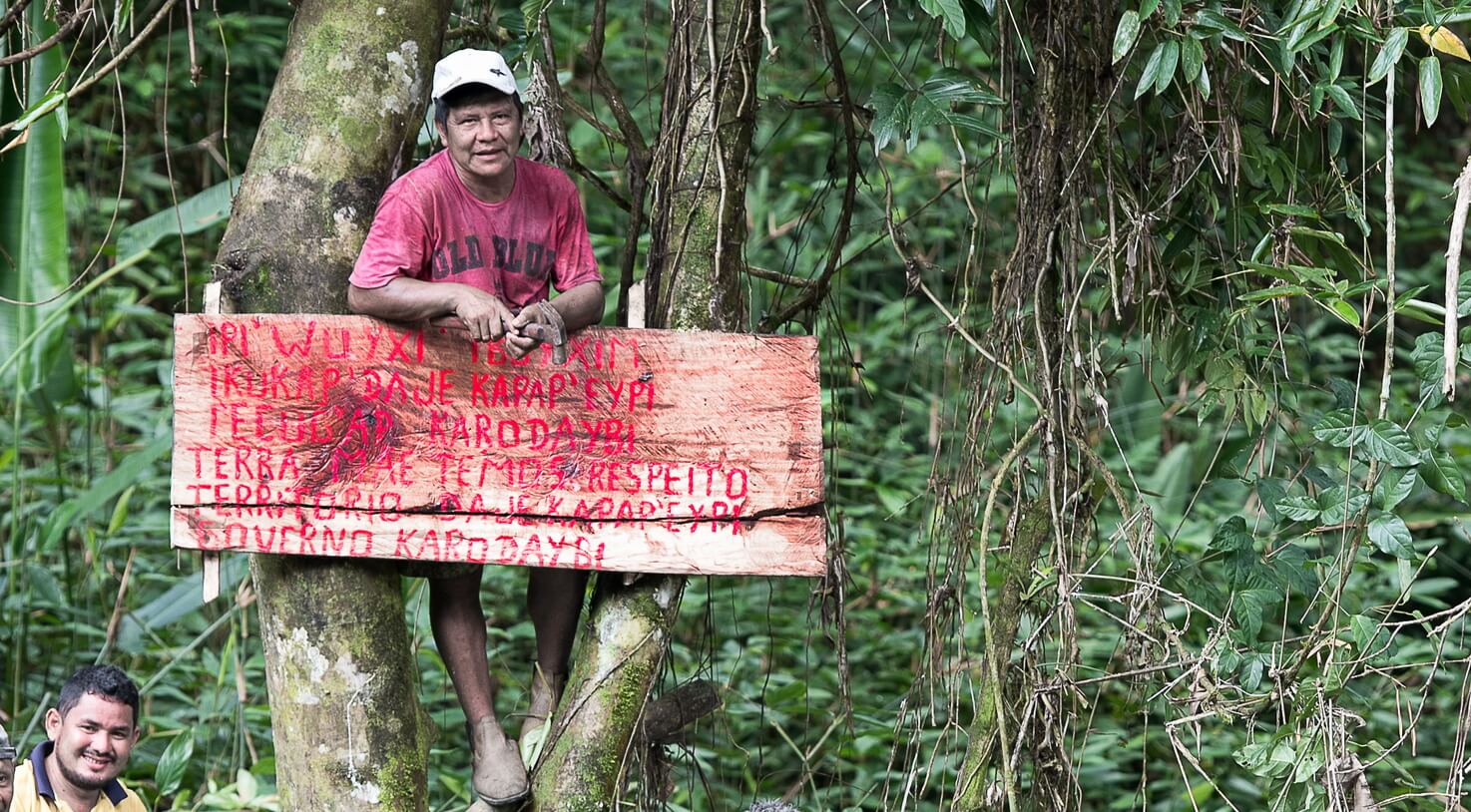
The Bayaka, Indigenous Peoples commonly referred to as pygmies, are in danger of losing their identity and their home, the forests of the Congo Basin. Deforestation caused by mining and logging concessions are at the centre of this ecological and human tragedy.
National laws offer very few rights for Central Africa’s forest people, and even lands that have been occupied by them for many generations can be taken away at will, and handed over to companies to exploit for their timber.
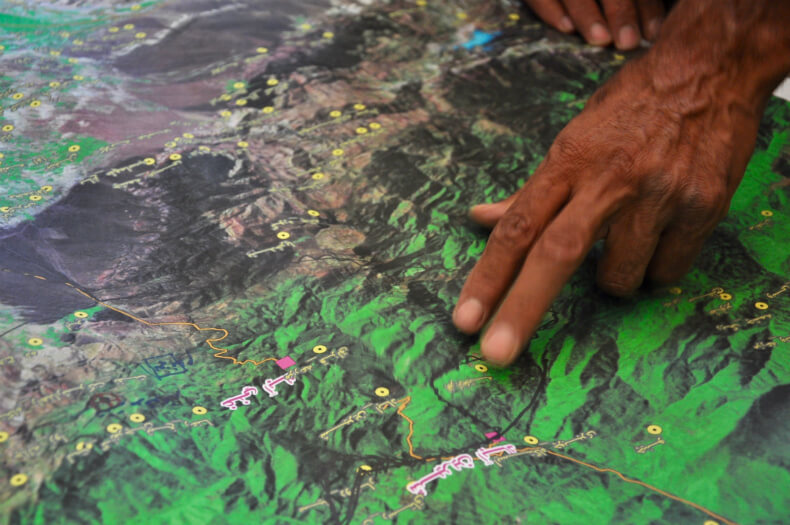
Maps of the Congo Basin often make it appear empty of human settlement, giving rise to the erroneous belief that these lands are an unoccupied ‘wilderness’ available for others to use.
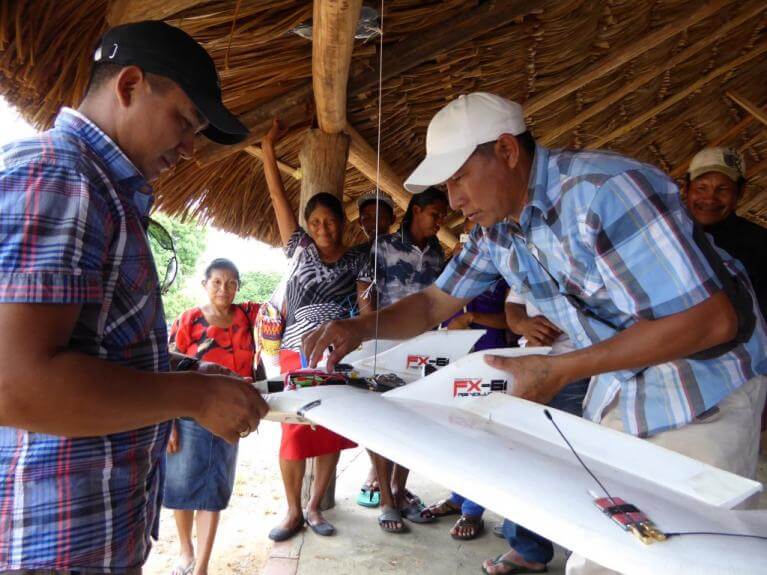
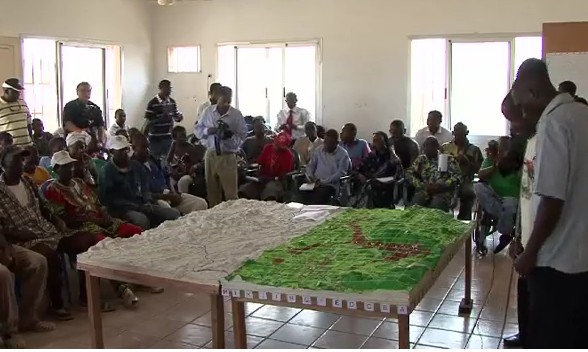
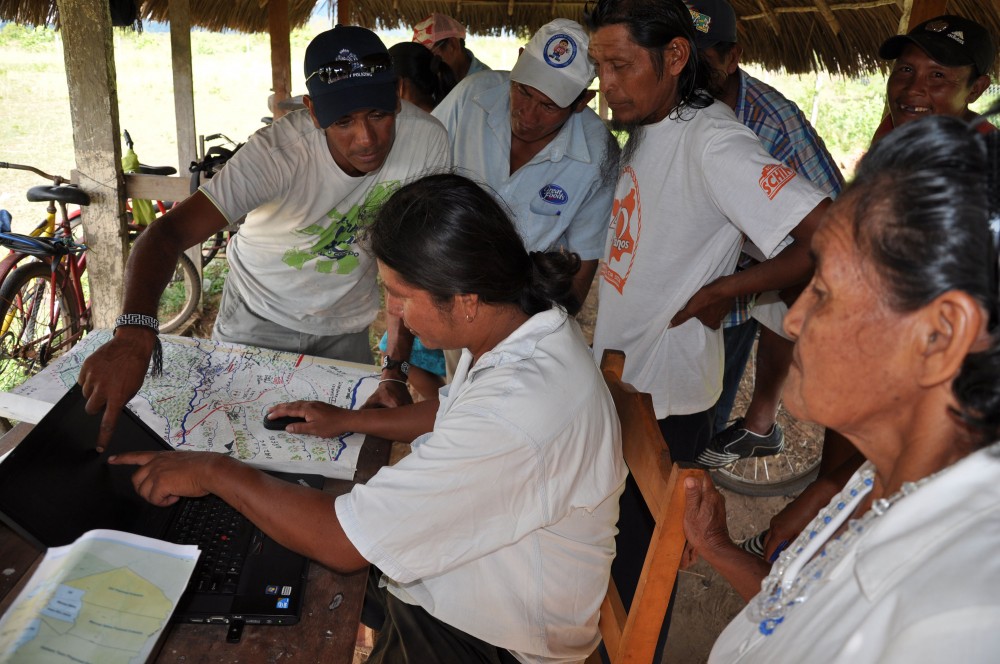
As they are semi-nomadic people, local authorities are not able to track their existence, so the Bayaka use GPS systems to create their own maps and become visible. These Maps are also a good tool to show the resources they depend on.
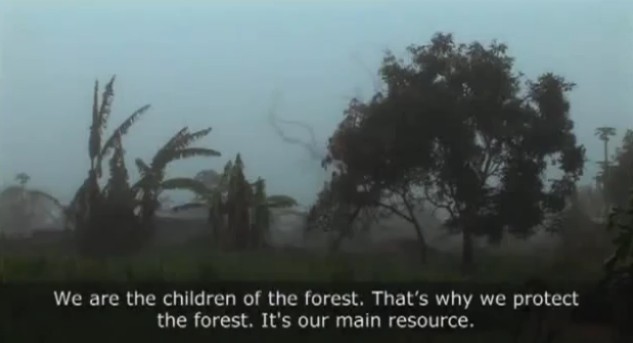
Their mission is also to protect the second lung of the world. They can play a vital role in climate regulation.
Across the world right now, Indigenous peoples are facing a renewed assault on their lands, rights, and ways of life.
From extractive industries pushing deeper into ancestral territories, to governments rolling back hard-won protections,
the threat is global—and it is growing.
What makes this moment especially dangerous is how little attention it receives.
Stories like this are disappearing in real time. Mainstream media
barely covers it and the coverage is fragmented. The public is left without the context
needed to understand what is truly at stake.
That is exactly why IC Magazine exists..
For more than 20 years, IC has reported on Indigenous struggles worldwide — consistently, independently, and without compromise.
We don’t follow news cycles; we trace patterns. We don’t sensationalize; we provide context.
And when the world looks away, we stay focused.
But this work is increasingly difficult to sustain.
We refuse to lock our reporting behind a paywall. We don’t sell access through subscriptions.
And we don’t answer to advertisers. IC Magazine survives solely because readers like you choose to
support independent Indigenous journalism.
Please donate today if you can. Every contribution helps us to continue this crucial work.
Thank you,
John Ahni Schertow
Founder and Editor in Chief