
Last Updated on September 20, 2017
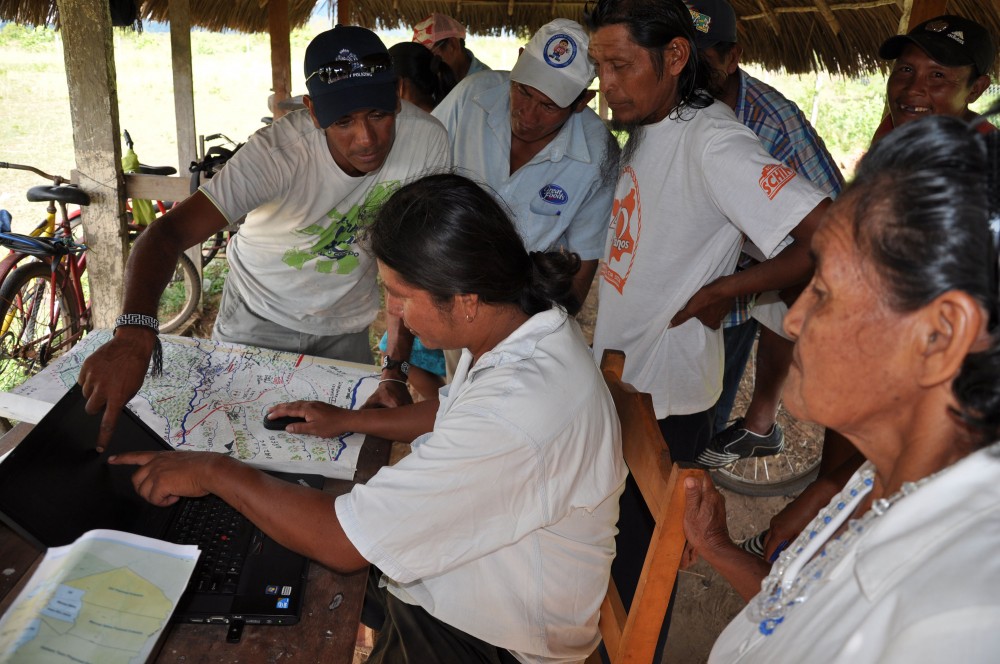
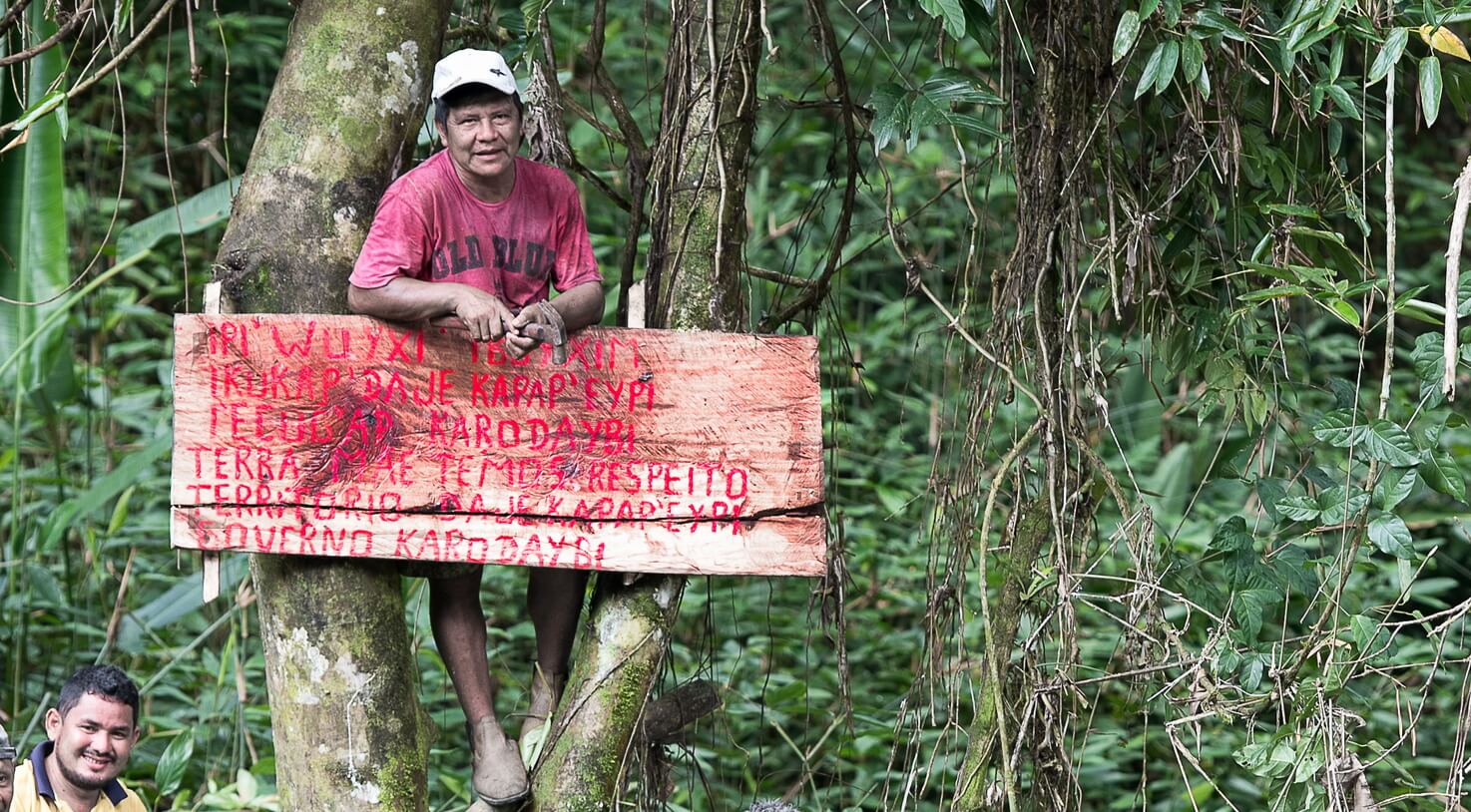
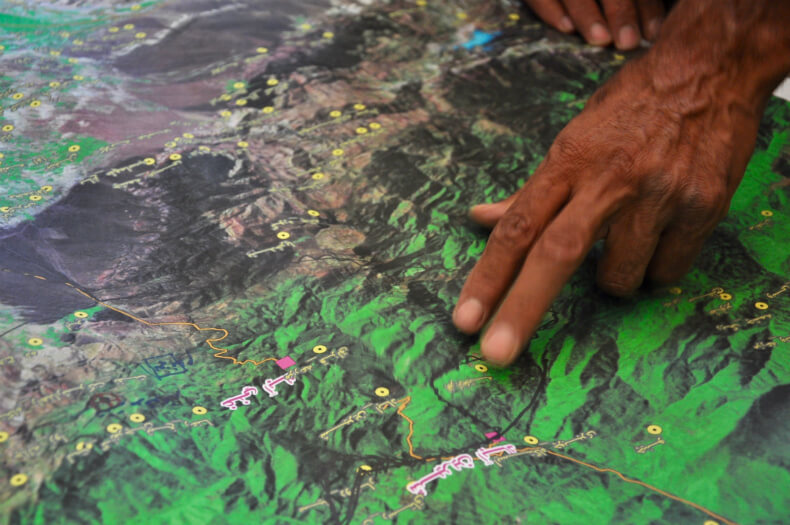
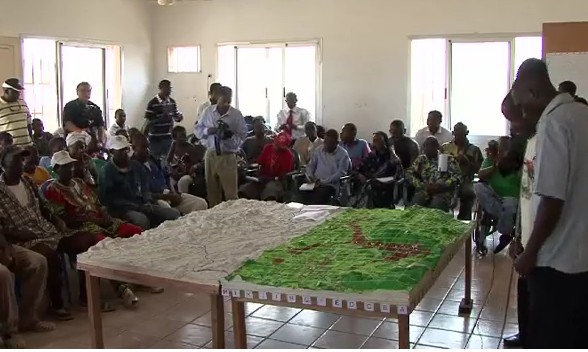
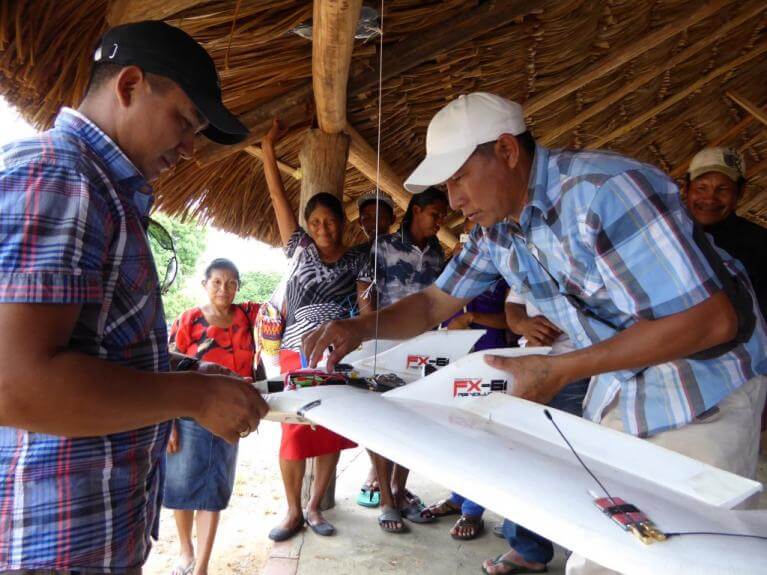
Lethem, Guyana, 19 September 2017: Amidst increasing concerns about threats to their forests, wetlands and way of life, the Wapichan People of Guyana (South America) have set up their own ground-breaking system to defend their human rights and monitor their ancestral lands against harmful development. Community information has been collected using a grassroots land use monitoring arrangement that involves community monitoring teams, the use of smartphone technology, drones, and community digital maps – all controlled and managed directly by the villages. Today, the Wapichan People are launching a locally owned and managed website to present their monitoring information on the internet.
The web site can be accessed here: http://wapichanao.communitylands.org/
The hope of the Wapichan communities is that use of tools like the internet will help raise national and international awareness about the pressures on their territory. Increased visibility of rights abuse and environmental damage is expected to give momentum to their calls for secure land rights and national legal and policy reforms in support of community rights and protection of community conserved sites, including a Wapichan Conserved Forest. Paulinus Albert, Chairperson of the South Rupununi District Council (SRDC), which is the legal representative body of 21 villages and communities in Wapichan territory in Guyana, advises:
Our territory is under pressure from rampant mining and plans for agribusiness and road developments. Uncontrolled mining expansion on our lands is resulting in deforestation, desecration of sacred sites and irreparable damage to our creeks, rivers and water sources. The situation is getting worse and threats are increasing. This is why we have decided to watch over our lands and forests, and to get organised to collect and publish information to tell the world what is going on.
Toshao Geneve Thomas, elected leader of Awarewao Village adds:
We need the country and the world to know what is happening here on our land, which is vital to our identity, livelihood and way of living. The trees cannot speak out, the birds, animals and wildlife cannot say stop! The fishes are defenceless as their homes and spawning grounds are destroyed. Who will speak for them? We want to stop hurtful mining. We will not allow it on our lands.
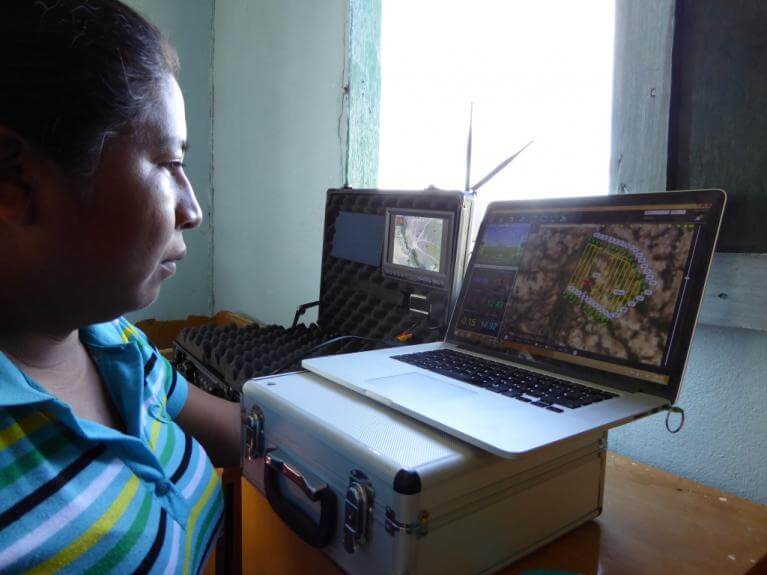
SRDC Technician Tessa Felix monitors a drone flight. Credit: SRDC
Harms recorded by the indigenous monitoring system through more than 50 site visits made since 2015 include:
Ron James, a community mapper involved in the monitoring project explains:
By mapping the mining pollution sources we now understand how it affects wider river systems and water supplies that are essential to our villages for fishing, bathing and drinking. The headwaters of the Kwitaro, Kuyuwini and Takatu Rivers are under serious threat. We are bringing this monitoring information to the attention of the environmental and mining authorities, yet the problem continues unabated.
This is not the first time the Wapichan communities have denounced destruction caused by illegal and concession mining. They have been raising concerns since the mid-1990s about the detrimental impact of medium-scale mining and the risks posed by large concessions controlled by foreign companies in the Marudi Mining fields. The District Council has raised serious concerns regarding a current large-scale license held by Guyana Goldstrike Inc of Canada, which overlaps ancestral lands that the State still has not titled, including sacred mountains located in the forested southern part of Wapichan territory. Despite promises of environmental assessments and ‘clean’ mercury-free mining, little progress has been made. Villages protest that a genuine, good faith process of free, prior and informed consent has never taken place.
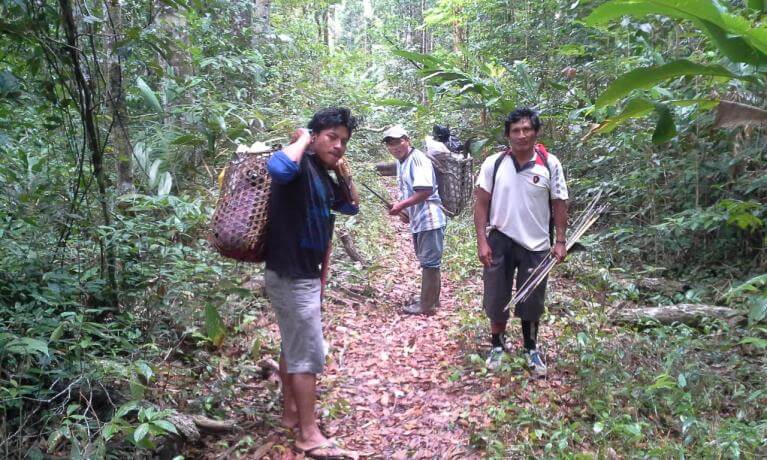
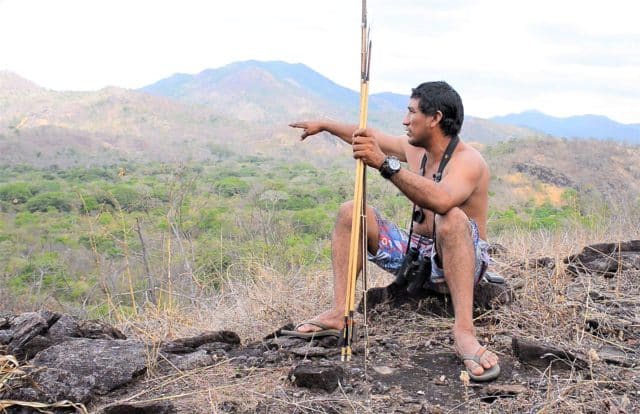
SRDC Monitors on forest trip to investigate mining camps. Credit: SRDC
Looking towards actions and solutions, Nicholas Fredericks, Toshao of Shorinab Village and executive member of the National Toshaos Council notes:
Our Villages now plan to feed our reports on mining impacts, rights violations and threats to our territory into formal land talks with the government of Guyana, which started in 2016 and are ongoing. We also plan is to use the information to inform the proposed environmental and social impact assessment required before mining can continue in the Marudi Mining Licence. We are demanding that our villages be fully involved in the impact assessment in line with our rights as indigenous peoples.
Other key community demands and remedies include:
Ends
Contacts for information:
Nicholas Fredericks, Project Coordinator and Toshao Shorinab Village: Tel +592 6043548
Paulinus Albert, Chairperson, SRDC and Toshao Potarinao Village: Tel: +592 6639276
Ron James, SRDC mapper and web site moderator: ronakjames@yahoo.com Tel: +592 6896892
Tom Griffiths, Forest Peoples Programme: tom@forestpeoples.org
Gregor MacLennan, Digital Democracy: gmaclennan@digital-democracy.org
Across the world right now, Indigenous peoples are facing a renewed assault on their lands, rights, and ways of life.
From extractive industries pushing deeper into ancestral territories, to governments rolling back hard-won protections,
the threat is global—and it is growing.
What makes this moment especially dangerous is how little attention it receives.
Stories like this are disappearing in real time. Mainstream media
barely covers it and the coverage is fragmented. The public is left without the context
needed to understand what is truly at stake.
That is exactly why IC Magazine exists..
For more than 20 years, IC has reported on Indigenous struggles worldwide — consistently, independently, and without compromise.
We don’t follow news cycles; we trace patterns. We don’t sensationalize; we provide context.
And when the world looks away, we stay focused.
But this work is increasingly difficult to sustain.
We refuse to lock our reporting behind a paywall. We don’t sell access through subscriptions.
And we don’t answer to advertisers. IC Magazine survives solely because readers like you choose to
support independent Indigenous journalism.
Please donate today if you can. Every contribution helps us to continue this crucial work.
Thank you,
John Ahni Schertow
Founder and Editor in Chief