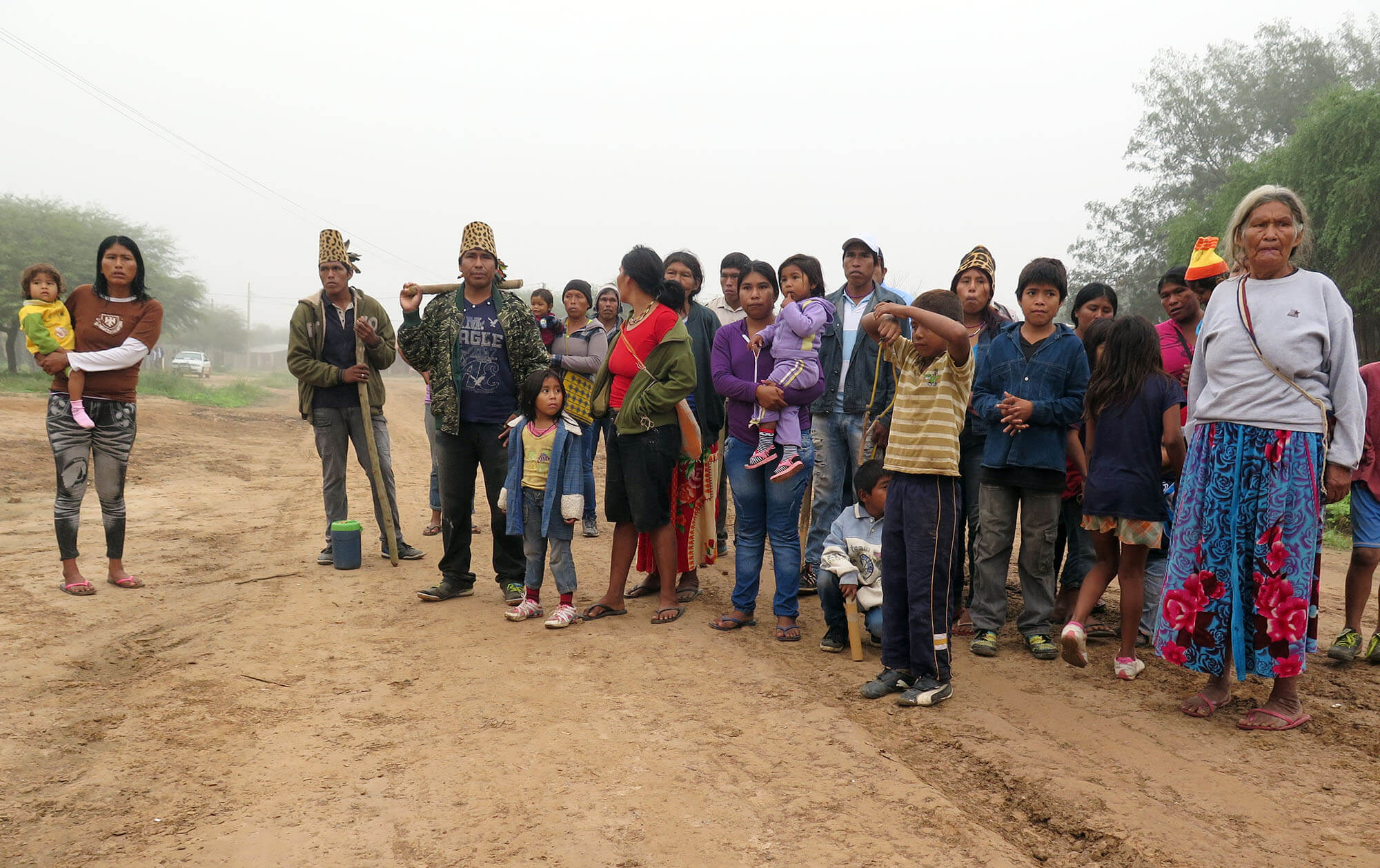
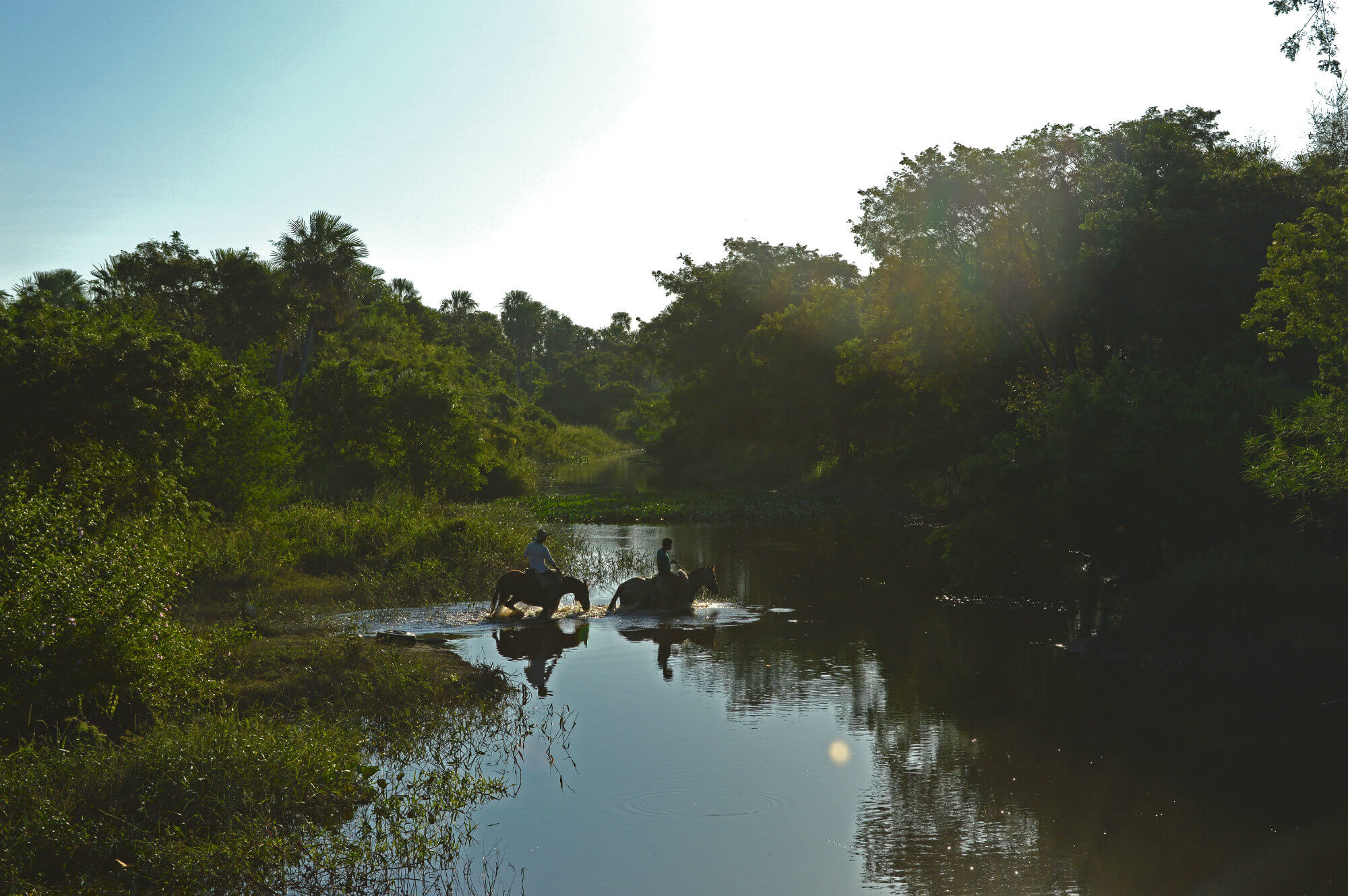
The Enxet are an Indigenous group primarily living in the Western Chaco region of Paraguay. Traditionally hunter-gatherers and semi-nomadic people, the Enxet possess a deep connection to the forests and savannas that have sustained their way of life for generations. They speak the Enxet language, part of the Mascoian language family, and maintain a rich oral tradition and spiritual worldview rooted in nature. Their knowledge of medicinal plants, sustainable hunting, and forest ecology makes them invaluable stewards of the Paraguayan Chaco’s delicate ecosystem.
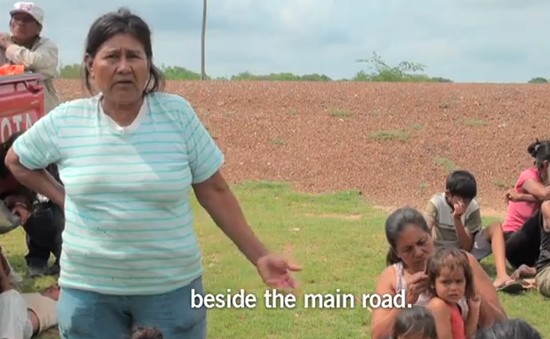
The Enxet have faced increasing threats from deforestation, land grabs, and agricultural expansion, particularly from cattle ranching and soybean farming. These activities have led to widespread displacement, environmental degradation, and a loss of access to their traditional lands. Although the Paraguayan constitution recognizes Indigenous land rights, in practice, the Enxet face bureaucratic and legal obstacles in reclaiming territory. Many live in precarious conditions near highways or within private ranches, often without access to clean water, healthcare, or education—deepening their socio-economic vulnerability.
Despite these immense challenges, the Enxet have continued to resist cultural erosion and advocate for their rights. Their leadership in land rights campaigns and environmental activism has gained international attention. Community leaders and allies have taken legal action both nationally and globally to halt deforestation and demand land restitution. The Enxet’s unwavering commitment to preserving their language, culture, and environment stands as a powerful testament to Indigenous resilience in the face of systemic injustice—making them a beacon of hope for Indigenous movements across Latin America.