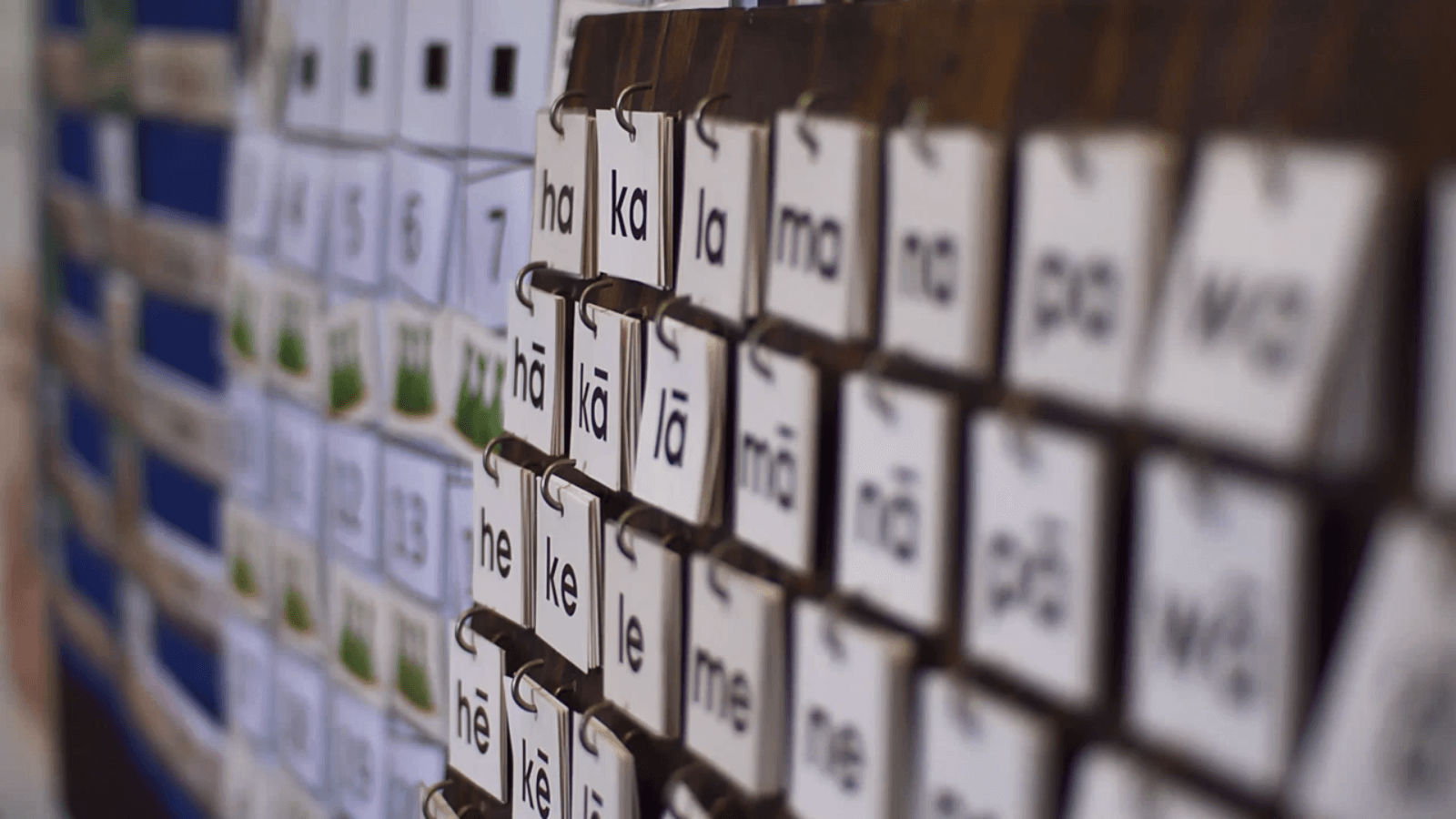
The Hawaiian Peoples, or Kānaka Maoli, are the Indigenous inhabitants of Hawai‘i, with rich cultural traditions rooted in navigation, hula, language, and stewardship of the land and sea. Their ancestral knowledge has been passed down for generations through oral histories, chants (mele), and practices such as lo‘i (taro farming) and kapu (sacred laws). Hawaiians historically governed themselves through a sophisticated system of chiefly rule, prior to colonization and the overthrow of the Hawaiian Kingdom in 1893.
The Hawaiian community continues to face significant challenges stemming from colonization, including land loss, cultural suppression, economic inequality, and health disparities. The illegal overthrow of Queen Liliʻuokalani led to the annexation of Hawai‘i by the United States and subsequent displacement of Native Hawaiians from their lands. Today, issues like affordable housing, over-tourism, and environmental degradation disproportionately affect Hawaiian communities. Despite efforts, the movement for Hawaiian sovereignty and restitution of lands remains an ongoing struggle.
Amid adversity, the Hawaiian Peoples are experiencing a powerful cultural renaissance. Movements such as the protection of Mauna Kea have unified Hawaiians globally around the values of aloha ʻāina (love of the land) and Indigenous rights. Language immersion schools, traditional voyaging through the Polynesian canoe Hōkūleʻa, and a resurgence in hula and traditional practices have reinvigorated national pride and global recognition. The Hawaiian Peoples continue to inspire with their resilience, wisdom, and commitment to the land, serving as leaders in Indigenous-led environmental stewardship and cultural healing.