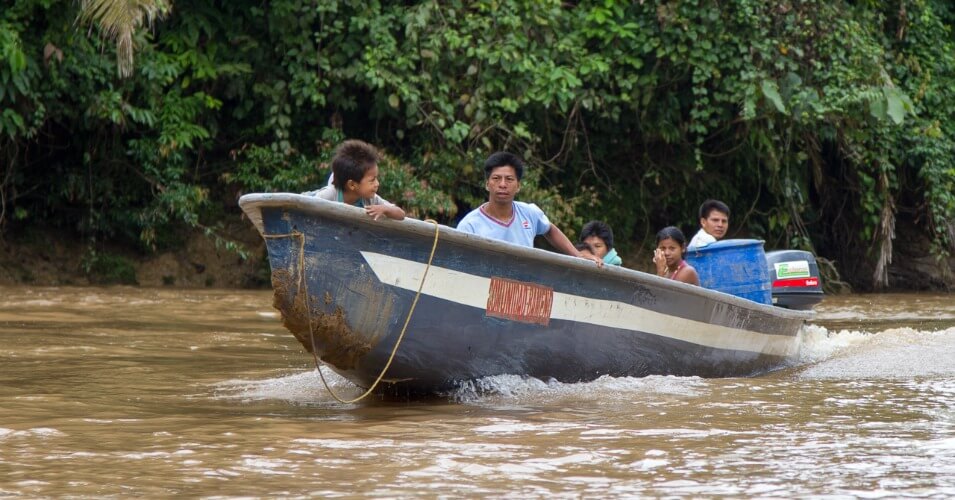
The Huaorani (Waorani) Peoples are an Indigenous group native to the Ecuadorian Amazon rainforest. Traditionally semi-nomadic hunter-gatherers, the Huaorani inhabit a region between the Napo and Curaray rivers. With a language unrelated to any other known tongue and a deep spiritual relationship with the forest, they have long lived in harmony with nature. Their intimate knowledge of the Amazon’s biodiversity and their cosmology, which centers on the interconnectedness of all life, positions them as vital stewards of one of the world’s most ecologically rich areas.
The Huaorani face grave threats due to oil exploration, deforestation, and illegal land encroachment. Since the 1960s, petroleum companies have operated in their territory, bringing roads, pollution, and disease. These activities have disrupted their ecosystems and social fabric. Some Huaorani communities have chosen isolation to avoid outside influence, while others have engaged in legal and political resistance to assert their land rights and prevent further environmental degradation. These conflicts are ongoing and reflect the broader tension between Indigenous sovereignty and extractive industries.
Despite these challenges, the Huaorani are globally recognized for their courageous environmental activism and defense of Indigenous rights. One inspiring example is Nemonte Nenquimo, a Huaorani leader who co-founded the Indigenous organization Ceibo Alliance and helped win a landmark 2019 court case protecting 500,000 acres of rainforest from oil drilling. Her work has garnered international acclaim, proving that Indigenous knowledge and leadership are essential to global environmental efforts. The Huaorani continue to be a powerful symbol of resilience and ecological wisdom in the face of modern pressures.