
Last Updated on April 10, 2025
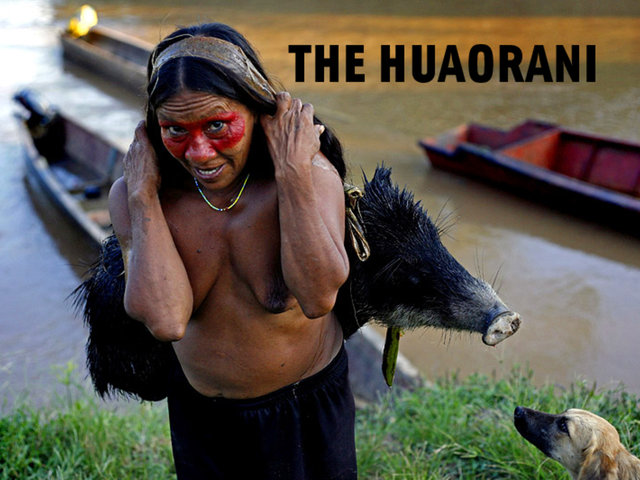
U.S. scientists working together with oil company Maxus Energy took around 3,500 blood samples from the Indigenous Peoples known as the Huaorani, Ecuador charged on Monday.
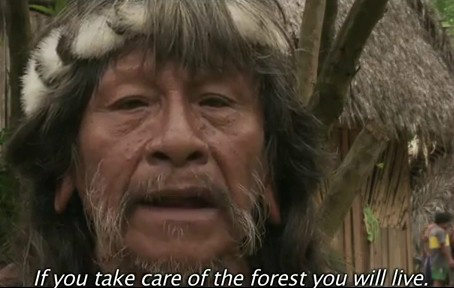
The Huaorani are known for a unique genetic makeup that makes them immune to certain diseases.
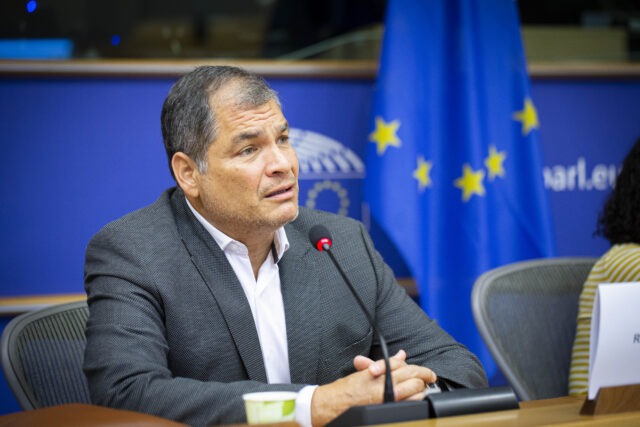
René Ramírez, the head of the Ecuadorian Ministry of Higher Education, Science and Technology, told Ecuador state TV on Monday that samples were taken from around 600 Huaorani, and that multiple pints of blood were taken from many members of the tribe. Ramírez said that it is not yet known whether the samples have resulted in any commercial gains, but that samples were sold for scientific research.
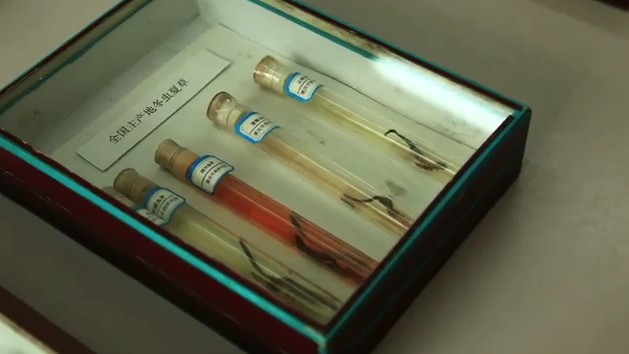
According to an initial investigation two years ago, “It was demonstrated that the Coriell Institute has in its stores samples (from the Huaorani) and that it sells genetic material from the Huaorani people.” Harvard University was among the purchasers. Specifically, the 2012 report found that since 1994, seven cell cultures and 36 blood samples were distributed to eight different countries.
In the same report the Huaorani said that scientists had tricked them into allowing their blood to be taken between 1990 and 1991; however, President Rafael Correa said that there is now evidence that samples were taken as far back as the 1970s “in complicity with the oil company operating in the area.”
The Huaorani allegedly agreed to give the blood samples because scientists lied to them about why the samples were being taken. They were told the samples were being taken for medical tests, but never received results.
According to the website Hispanically Speaking News, in his weekly radio address on Saturday, President Correa said that at least 31 research papers were written between 1989 and 2012 based on the blood samples obtained––all without the consent of the Huaorani or the royalty payments normally required.
The taking of the samples was illegal, as Ecuador’s constitution bans the use of scientific research including genetic material in violation of human rights.
According to AFP, when the allegations first emerged in 2012, the U.S. Embassy said it was not aware of the case, and they did not immediately issue a response after Ecuador brought the charges on Monday.
Across the world right now, Indigenous peoples are facing a renewed assault on their lands, rights, and ways of life.
From extractive industries pushing deeper into ancestral territories, to governments rolling back hard-won protections,
the threat is global—and it is growing.
What makes this moment especially dangerous is how little attention it receives.
Stories like this are disappearing in real time. Mainstream media
barely covers it and the coverage is fragmented. The public is left without the context
needed to understand what is truly at stake.
That is exactly why IC Magazine exists..
For more than 20 years, IC has reported on Indigenous struggles worldwide — consistently, independently, and without compromise.
We don’t follow news cycles; we trace patterns. We don’t sensationalize; we provide context.
And when the world looks away, we stay focused.
But this work is increasingly difficult to sustain.
We refuse to lock our reporting behind a paywall. We don’t sell access through subscriptions.
And we don’t answer to advertisers. IC Magazine survives solely because readers like you choose to
support independent Indigenous journalism.
Please donate today if you can. Every contribution helps us to continue this crucial work.
Thank you,
John Ahni Schertow
Founder and Editor in Chief