Last Updated on March 17, 2025
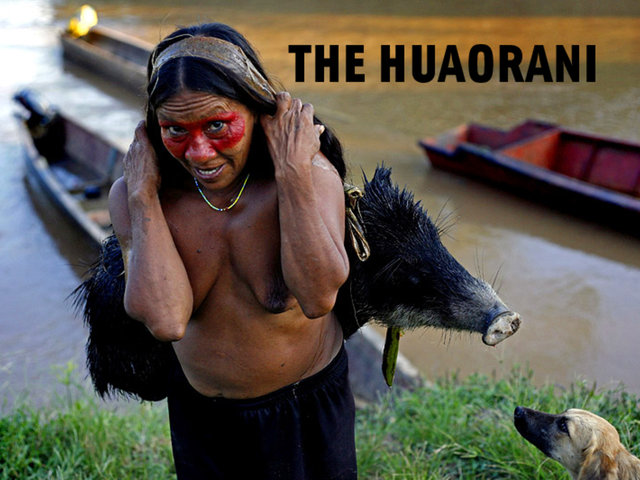
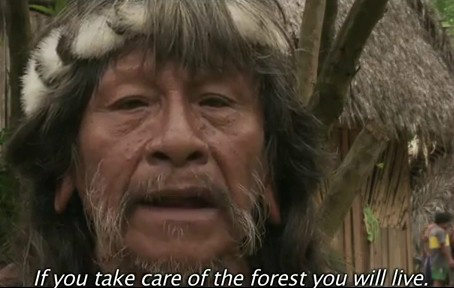
The following videos were filmed by a guest of the Huaorani People of Yasuni in 2011. They were subsequently posted on YouTube so the world could hear the Huaorani speak for themselves.
A number of other videos are on the internet in which the Huaorani also speak. But in those videos, you will also likely hear someone else who doesn’t necessarily have the Huaorani’s needs and interests at heart.
The Huaorani want be heard and respected by outsiders who want to make decisions that would affect them.
The communities represented in the videos–Bameno, Bowanamo, Gabaro and Wema–are doing much more than making films. First and foremost, they have organized themselves to defend Yasuni,their culture and way of life; and to protect the human rights of other indigenous peoples in Yasuni, including their “uncontacted” neighbors (Tagaeri, Taromenani, and Tademoede Huaorani) so they may “live free” in isolation in their forest.
They call themselves Ome Gompote Kiwigimoni Huaorani (We Defend Our Huaorani Territory, “Ome Yasuni.”)
The are also pressuring the President of Ecuador, Rafael Correa, to leave the Yasuni Rainforest alone and to finally recognize their land rights. In their own words,
“Something of this great rainforest territory must remain for us, the Huaorani, where we can continue to live freely and in accordance with our culture, without oil companies, settlers, roads, military and security forces, loggers, bureaucrats, or other outsiders damaging the forest or telling us how we should live. We need a legal title to our territory, and reforms to the laws of Ecuador to protect Ome and our right to live as we wish, as Huaorani.”
Across the world right now, Indigenous peoples are facing a renewed assault on their lands, rights, and ways of life.
From extractive industries pushing deeper into ancestral territories, to governments rolling back hard-won protections,
the threat is global—and it is growing.
What makes this moment especially dangerous is how little attention it receives.
Stories like this are disappearing in real time. Mainstream media
barely covers it and the coverage is fragmented. The public is left without the context
needed to understand what is truly at stake.
That is exactly why IC Magazine exists..
For more than 20 years, IC has reported on Indigenous struggles worldwide — consistently, independently, and without compromise.
We don’t follow news cycles; we trace patterns. We don’t sensationalize; we provide context.
And when the world looks away, we stay focused.
But this work is increasingly difficult to sustain.
We refuse to lock our reporting behind a paywall. We don’t sell access through subscriptions.
And we don’t answer to advertisers. IC Magazine survives solely because readers like you choose to
support independent Indigenous journalism.
Please donate today if you can. Every contribution helps us to continue this crucial work.
Thank you,
John Ahni Schertow
Founder and Editor in Chief