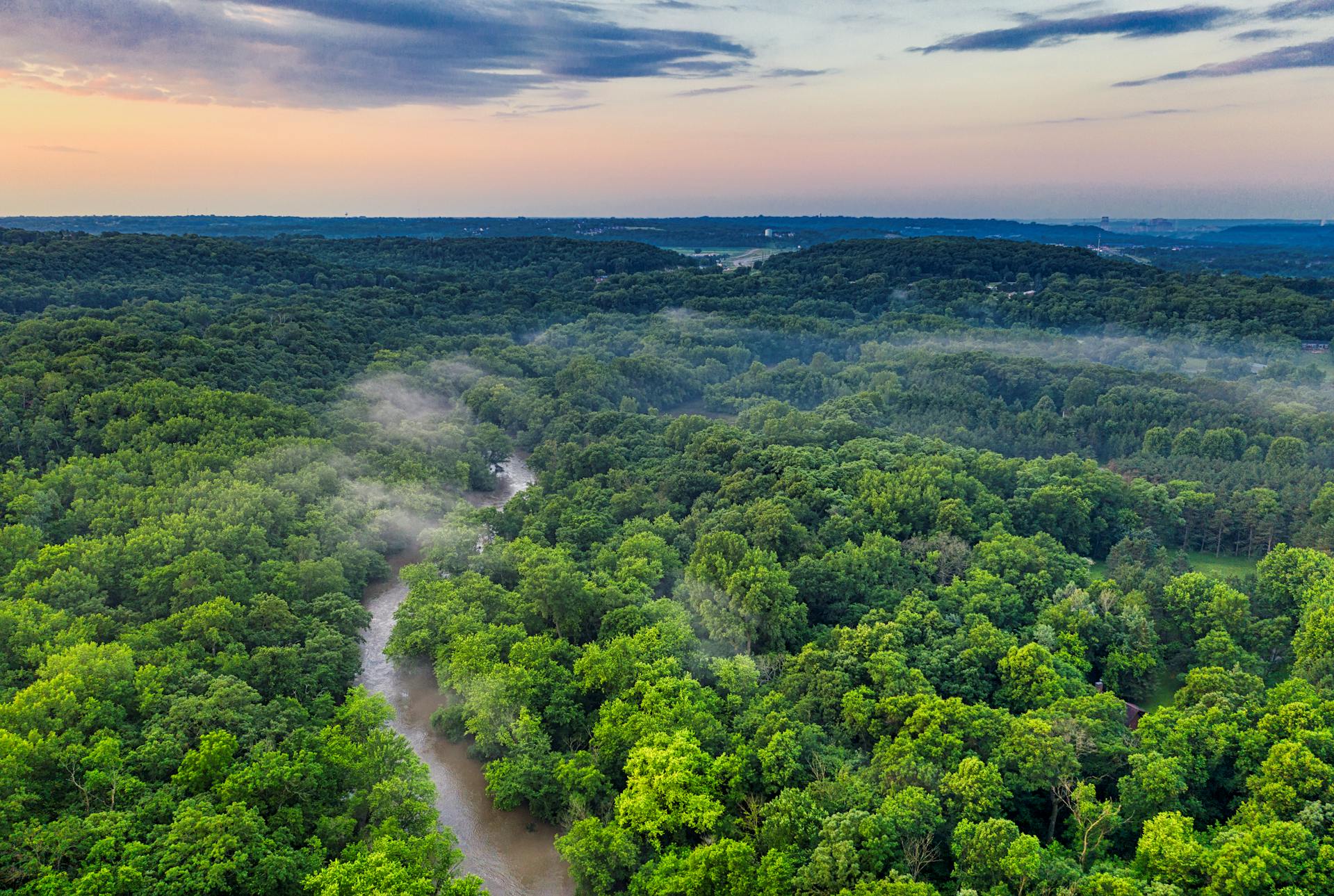
The Kichwa are Indigenous descendants of the Inca civilization, living primarily in Ecuador, Peru, Colombia, and parts of Bolivia. In Ecuador alone, over half a million Kichwa live across the Sierra and Amazon regions, speaking various dialects of Kichwa, a Quechuan language that evolved after Inca expansion into the northern Andes. With deep knowledge of agroecology, astronomy, and herbal medicine, Kichwa communities have stewarded their territories for centuries through practices like chakra farming—an Indigenous permaculture system that promotes biodiversity and food sovereignty. Their spiritual life is closely tied to Pachamama (Mother Earth), embodying a holistic worldview of reciprocity, balance, and collective wellbeing.
Kichwa territories face serious challenges due to oil drilling, mining, deforestation, and state-backed development projects. In the Ecuadorian Amazon, Kichwa land has been targeted for oil concessions, leading to contamination of water sources, biodiversity loss, and community displacement. Notably, Kichwa leaders from Sarayaku have denounced these intrusions at international courts, asserting their right to Free, Prior, and Informed Consent under ILO Convention 169 and the UN Declaration on the Rights of Indigenous Peoples. Additionally, education policies often prioritize Spanish over Indigenous languages, threatening intergenerational knowledge transfer and linguistic diversity.
Inspiringly, Kichwa communities have emerged as powerful voices in global climate and human rights arenas. The Kichwa of Sarayaku, for instance, have pioneered the concept of “Kawsak Sacha” or “Living Forest,” a declaration recognizing the Amazon as a living, conscious being deserving of legal protection. Their advocacy has influenced environmental jurisprudence and Indigenous rights discourse at the United Nations and the Inter-American Court of Human Rights. Through grassroots organizing, traditional ceremonies, and digital media, Kichwa changemakers continue to assert sovereignty while offering the world a model of ecological ethics rooted in Indigenous science and resilience.