Last Updated on July 11, 2025
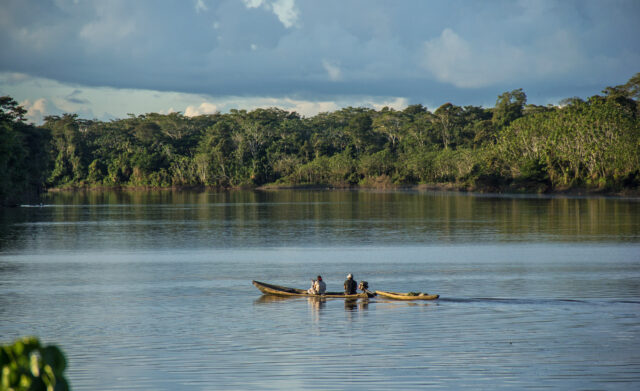
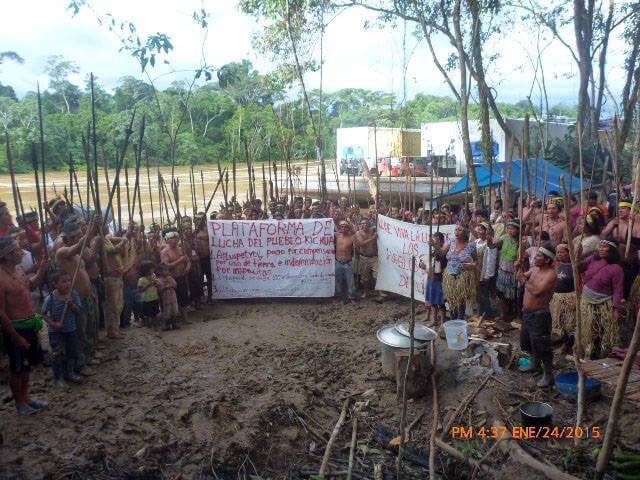
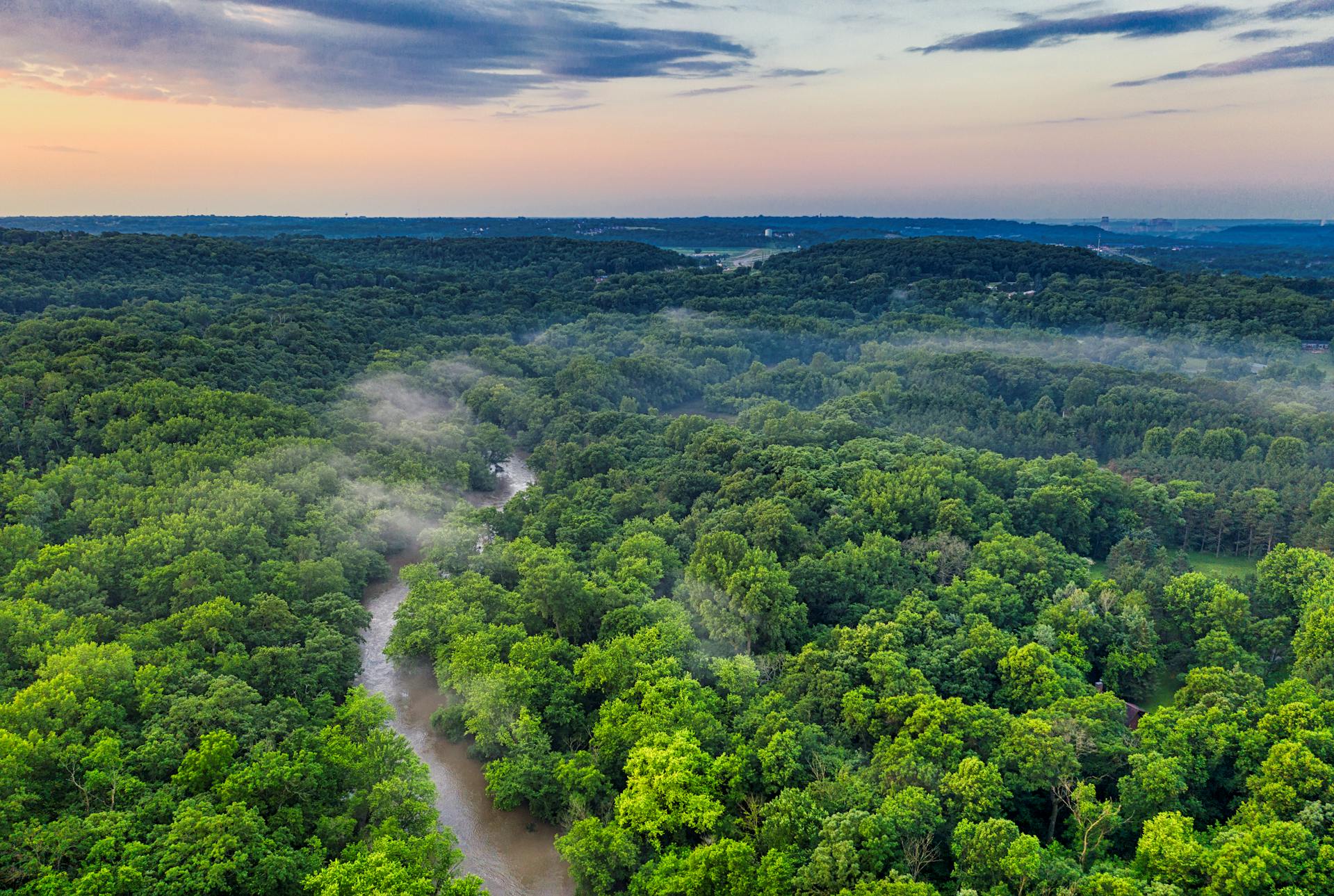
In the thick, living green of Peru’s Amazon, the Kichwa Peoples have issued a rallying cry, “We will not stop until we recover our dispossessed territories.”
The declaration comes from a statement that was released by the Ethnic Council of the Kichwa Peoples of Amazonia (CEPKA) concerning a huge swath of land currently known as the Cordillera Azul National Park.
Declared by the Peruvian government in 2001, the national park is run as a conservation area and carbon offset project under the REDD+ program.
The Kichwa say they were pushed aside for the environmental plan that completely excludes them.
“The Peruvian State had and has the obligation to consult us to obtain our free, prior and informed consent since 1995”, the statement reads. “The fact that a CEPKA community has not been recognized, or is not inscribed in the public registers, does not mean that the State is exempt from fulfilling its duty.”
What’s more, the Kichwa raise concern that the government has signed an agreement with the oil and gas company, Pluspetrol, “to strengthen its management of protected natural areas”.
The Kichwa observe,
“While we Indigenous peoples question the exploration and exploitation of hydrocarbons in the forests, the institutions supposedly dedicated to conservation negotiate with extractive companies. This is the “Sacha Estado” (Forest State), giving biodiversity data to Pluspetrol for biopiracy business in bioprospecting, in exchange for fattening the payroll of [the government agency] SERNANP.”
The Kichwa also note that the two largest buyers of carbon credits from the Cordillera Azul REDD project are Shell and Total Energies, “companies that dispossess Indigenous peoples in other continents and whose extractive activities contribute further to climate change.”
The Kichwa say these deals are damaging their forests while shutting them out of decisions that shape their lives.
However, The Kichwa want more than recognition of their concerns. They want to regain legal control of their lands, because, they say, they can protect the forest far more effectively than outside agencies; a point that research supports many times over.
They end their statement by calling for their land titles, something that many other indigenous communities are currently demanding across Peru. “With organized and titled native communities, there will always be forest for all!” the Kichwa conclude. “No to the usurpation of Indigenous territory, titling now!”
Across the world right now, Indigenous peoples are facing a renewed assault on their lands, rights, and ways of life.
From extractive industries pushing deeper into ancestral territories, to governments rolling back hard-won protections,
the threat is global—and it is growing.
What makes this moment especially dangerous is how little attention it receives.
Stories like this are disappearing in real time. Mainstream media
barely covers it and the coverage is fragmented. The public is left without the context
needed to understand what is truly at stake.
That is exactly why IC Magazine exists..
For more than 20 years, IC has reported on Indigenous struggles worldwide — consistently, independently, and without compromise.
We don’t follow news cycles; we trace patterns. We don’t sensationalize; we provide context.
And when the world looks away, we stay focused.
But this work is increasingly difficult to sustain.
We refuse to lock our reporting behind a paywall. We don’t sell access through subscriptions.
And we don’t answer to advertisers. IC Magazine survives solely because readers like you choose to
support independent Indigenous journalism.
Please donate today if you can. Every contribution helps us to continue this crucial work.
Thank you,
John Ahni Schertow
Founder and Editor in Chief