Last Updated on October 8, 2025
Drug trafficking is rapidly expanding across the Peruvian Amazon, bringing environmental destruction, fear, violence and the risk of displacement to more than 270 Indigenous communities.
A new report published* by Amazon Watch reveals a sharp increase in coca cultivation and clandestine drug processing labs across Kakataibo, Asháninka, Kichwa, and Shipibo territories in the Peruvian Amazon.
This surge in drug trafficking is putting Indigenous leaders at extreme risk. According to the report, 27 Indigenous leaders have already been assassinated, including Mariano Isacama, whose body was found after he publicly denounced drug traffickers in his community.
“We, the Indigenous defenders, face threats from drug traffickers when we speak out,” said Marcelo Odicio, an Indigenous Kakataibo leader. “We are calling for real change in how this crisis is addressed.”
These are not isolated incidents, to be sure. The report observes a pattern of impunity coupled with the state’s failure to protect those who are attempting to defend their forest homes.
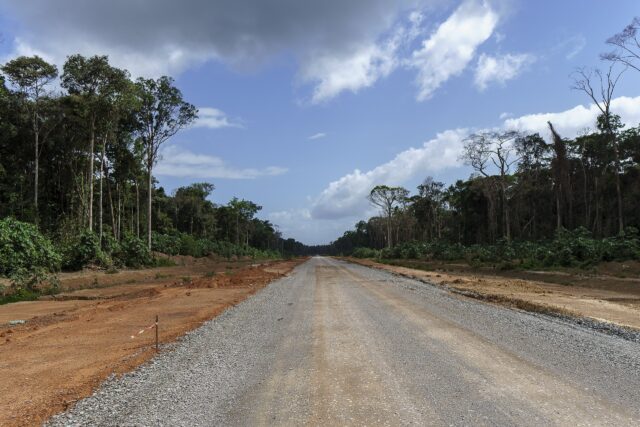
In some cases, state infrastructure has empowered traffickers directly. The report explains that new roads built for oil and gas projects have provided easier access to remote areas, accelerating the spread of coca fields and illicit transport routes.
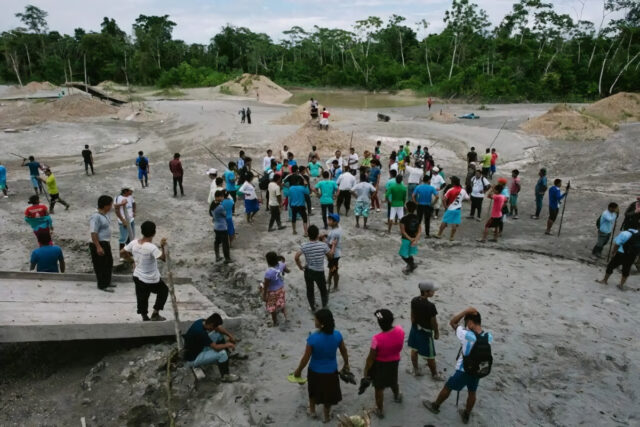
There are environmental impacts as well. Rivers are being contaminated by chemical runoff from drug labs, forests are being cleared for coca monocultures, and sacred spaces are being destroyed or abandoned due to fear and violence. The overlap between drug trafficking, illegal logging, and mining means that entire ecosystems are being destabilized.
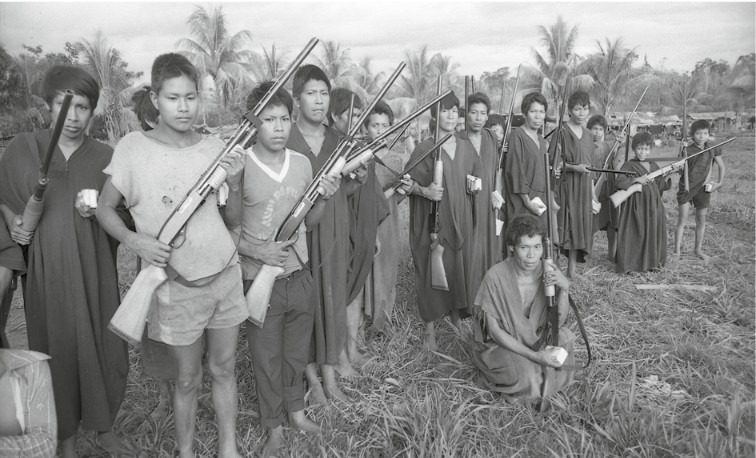
Credit: Lugar de la Memoria (From the report, Drug Trafficking in Indigenous Territories of the Peruvian Amazon )
Despite these challenges, however, Indigenous resistance remains strong with many Indigenous communities organizing traditional self-defense patrols. However, these patrols, while rooted in ancestral practice, are often no match for armed traffickers operating with impunity.
In addition to this front-line work, Indigenous leaders are pushing for greater legal recognition of land titles, increased international oversight, and enforcement of existing protections.
The report concludes with a stark warning that, if the state continues to look the other way, Indigenous Peoples will face not only the loss of their territories, but the erasure of their cultures and lives.
The Amazon will also slip into deeper crisis unless the government takes action in a way that respects Indigenous land rights.
*The report was published by the Interethnic Association for the Development of the Peruvian Rainforest (AIDESEP), the Regional Organization AIDESEP Ucayali (ORAU), Amazon Watch, and the Institute of the Common Good (IBC).
Across the world right now, Indigenous peoples are facing a renewed assault on their lands, rights, and ways of life.
From extractive industries pushing deeper into ancestral territories, to governments rolling back hard-won protections,
the threat is global—and it is growing.
What makes this moment especially dangerous is how little attention it receives.
Stories like this are disappearing in real time. Mainstream media
barely covers it and the coverage is fragmented. The public is left without the context
needed to understand what is truly at stake.
That is exactly why IC Magazine exists..
For more than 20 years, IC has reported on Indigenous struggles worldwide — consistently, independently, and without compromise.
We don’t follow news cycles; we trace patterns. We don’t sensationalize; we provide context.
And when the world looks away, we stay focused.
But this work is increasingly difficult to sustain.
We refuse to lock our reporting behind a paywall. We don’t sell access through subscriptions.
And we don’t answer to advertisers. IC Magazine survives solely because readers like you choose to
support independent Indigenous journalism.
Please donate today if you can. Every contribution helps us to continue this crucial work.
Thank you,
John Ahni Schertow
Founder and Editor in Chief