Last Updated on March 5, 2026
Indigenous leaders from across the Amazon basin have issued a joint declaration in response to the growing threat of organized crime and illicit economies in the rainforest.
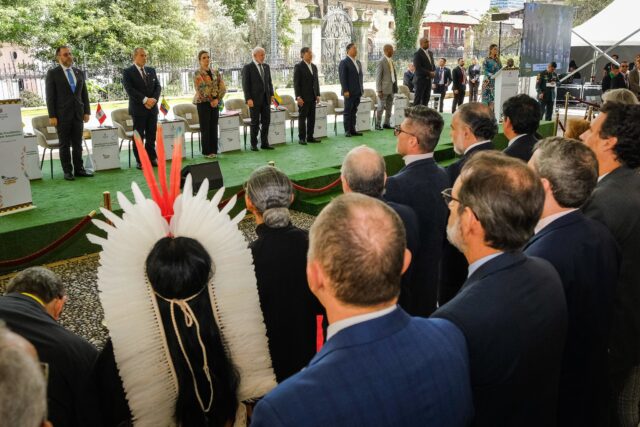
The statement, known as the Pucallpa Declaration, was adopted in February after more than 60 Indigenous leaders from Brazil, Colombia, Ecuador and Peru met in the Peruvian Amazon city of Pucallpa. The event was convened by AIDESEP Ucayali (ORAU) and Amazon Watch.
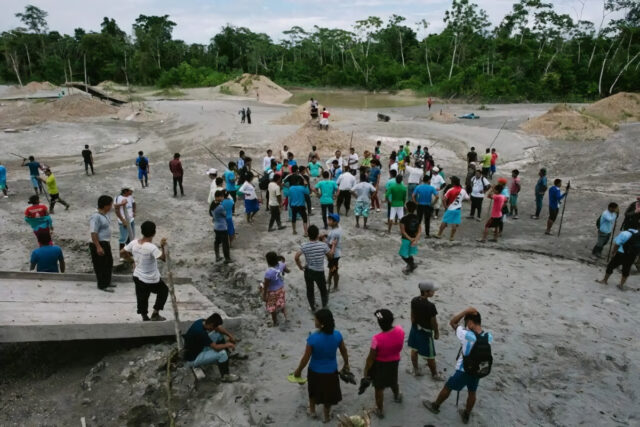
Participants at the gathering described the sharp expansion of criminal activity tied to illegal gold mining, drug trafficking, logging and wildlife trafficking, all of which are moving deeper into remote areas of the rainforest.
In many cases, these activities are taking root inside Indigenous territories, where criminal groups seek access to natural resources and control over transportation routes such as rivers and forest roads. Armed groups operating in parts of the region have reportedly established de facto control over certain areas, extorting communities and threatening Indigenous authorities.
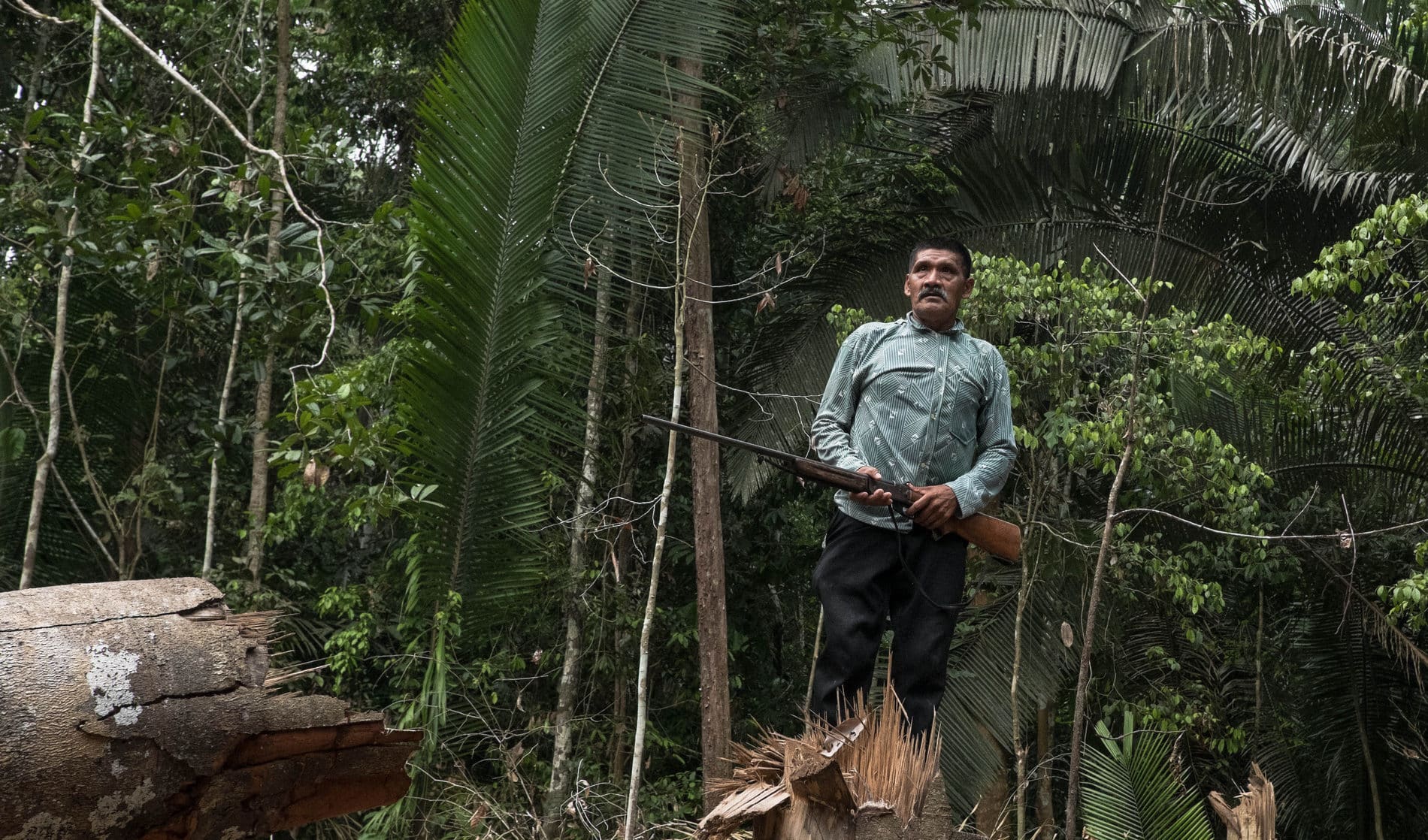
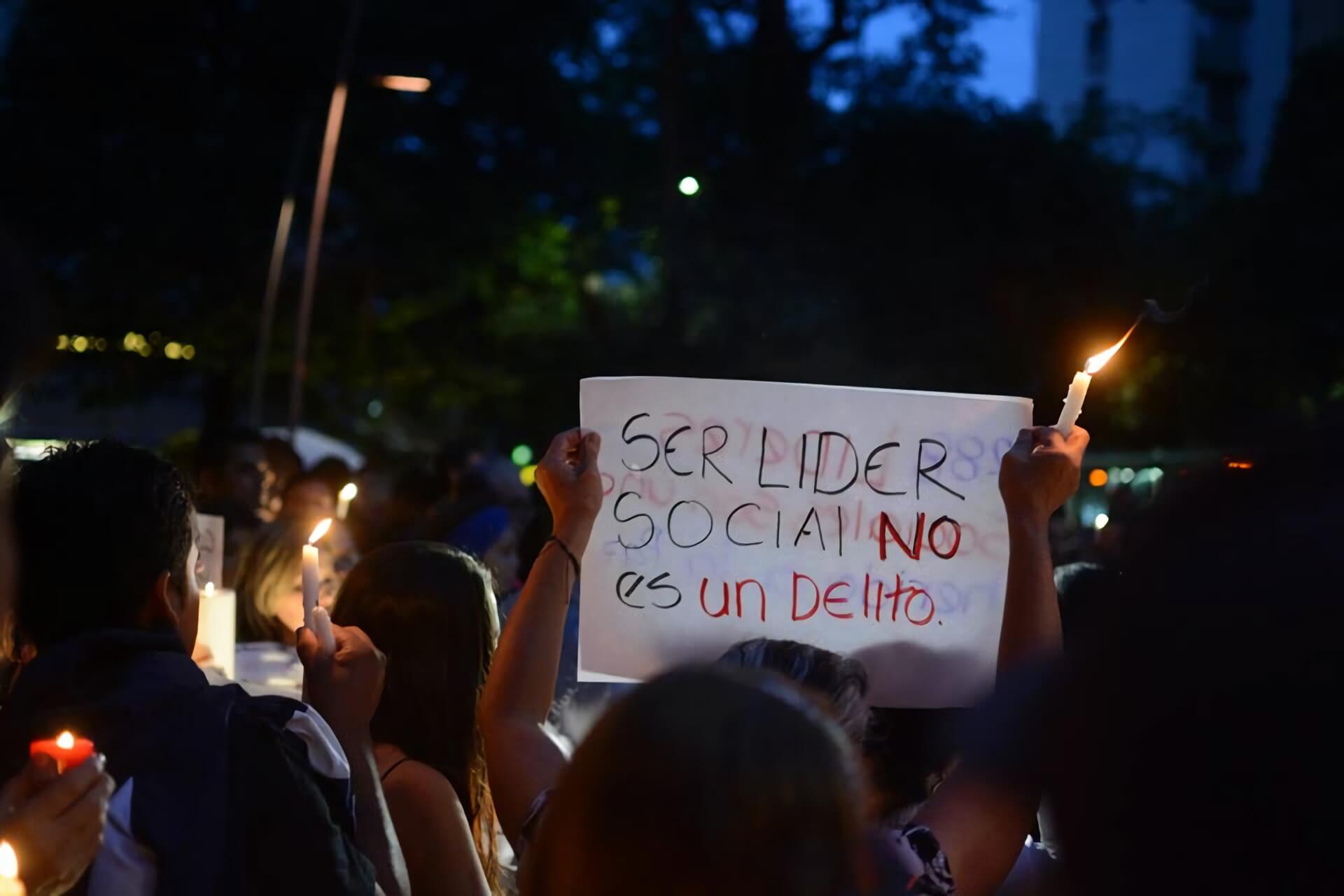
Indigenous leaders at the meeting also discussed how communities resisting criminal networks face escalating threats. According to testimony shared at the event, dozens of Indigenous leaders in Peru have been killed in recent years for defending their territories against illegal logging, mining and drug trafficking.
“The consequences are profound,” states Amazon Watch. “Rivers contaminated with mercury, devastated forests, forced displacement, threats, and the killing of Indigenous leaders. The Amazon has become one of the most dangerous regions in the world for those who defend their territory.”
The declaration states that “Indigenous territorial autonomy is the best solution to the environmental and social crisis in the Amazon.”
“We have assessed the serious threats posed by illegal economies in our territories and conclude that self-determination, the exercise of self-government, and effective territorial control by Indigenous Peoples are the best ways to contain and reverse the environmental and humanitarian crisis facing the Amazon due to the advance of drug trafficking, mining, illegal logging, and other activities that devastate our forests,” the statement reads.
“These conditions are expressions of rights recognized in ILO Convention 169 and in the United Nations Declaration on the Rights of Indigenous Peoples, yet they are not adequately implemented by all of our States.”
The declaration goes on to urge state governments and international institutions to take several steps.
First, it calls on states to confront the growing influence of illegal economies with what they describe as a “genuine commitment”, including efforts to dismantle corruption and criminal infiltration within government institutions, the military and police forces.
Second, the declaration demands meaningful respect for Indigenous self-determination, telling governments to formally recognize the territorial integrity of Indigenous peoples and grant legal standing to their representative institutions within national governance systems.
Third, the declaration calls for full participation in the development, implementation and evaluation of strategies related to public security, as well as efforts to curb illegal economies and the approval of development projects affecting Indigenous lands.
Finally, the declaration urges governments to fund and enforce protection mechanisms for defenders, investigate attacks and threats against defenders and address the root causes of violence. The statement also calls for legal recognition of Indigenous systems of community security and justice.
Indigenous delegates plan to present the declaration at the upcoming session of the United Nations Permanent Forum on Indigenous Issues as well as the UN conference on Transnational Organized Crime.
Across the world right now, Indigenous peoples are facing a renewed assault on their lands, rights, and ways of life.
From extractive industries pushing deeper into ancestral territories, to governments rolling back hard-won protections,
the threat is global—and it is growing.
What makes this moment especially dangerous is how little attention it receives.
Stories like this are disappearing in real time. Mainstream media
barely covers it and the coverage is fragmented. The public is left without the context
needed to understand what is truly at stake.
That is exactly why IC Magazine exists..
For more than 20 years, IC has reported on Indigenous struggles worldwide — consistently, independently, and without compromise.
We don’t follow news cycles; we trace patterns. We don’t sensationalize; we provide context.
And when the world looks away, we stay focused.
But this work is increasingly difficult to sustain.
We refuse to lock our reporting behind a paywall. We don’t sell access through subscriptions.
And we don’t answer to advertisers. IC Magazine survives solely because readers like you choose to
support independent Indigenous journalism.
Please donate today if you can. Every contribution helps us to continue this crucial work.
Thank you,
John Ahni Schertow
Founder and Editor in Chief