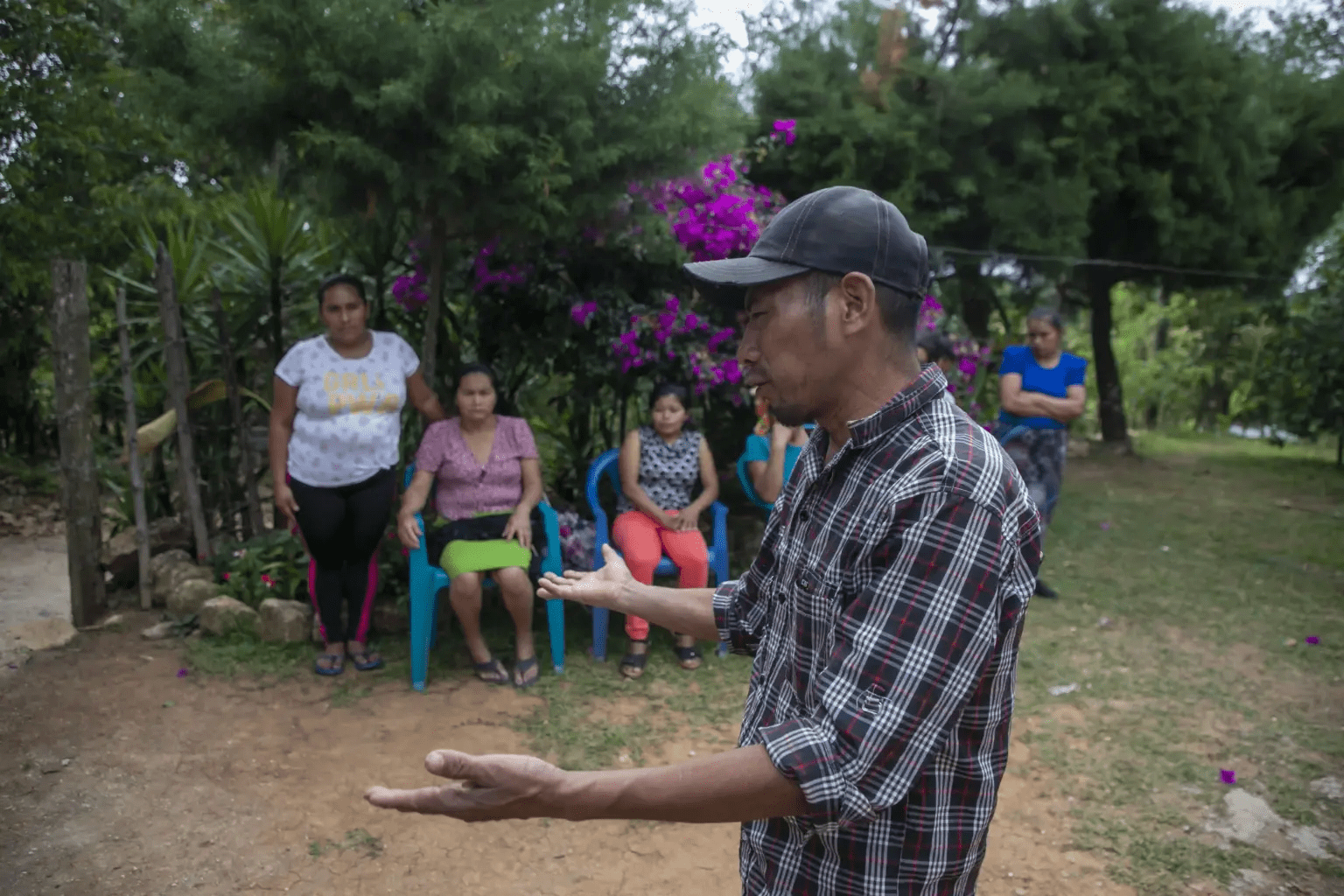
The Lenca are the Indigenous descendants of ancient Mesoamerican civilizations, residing primarily in the highlands of western Honduras and eastern El Salvador. As one of Central America’s oldest cultures, the Lenca maintain a deep spiritual connection to their land, expressed through ancestral agricultural practices, sacred rituals, and community governance structures. Their language, though critically endangered, remains a vital symbol of identity and resistance against centuries of colonization and cultural erasure.
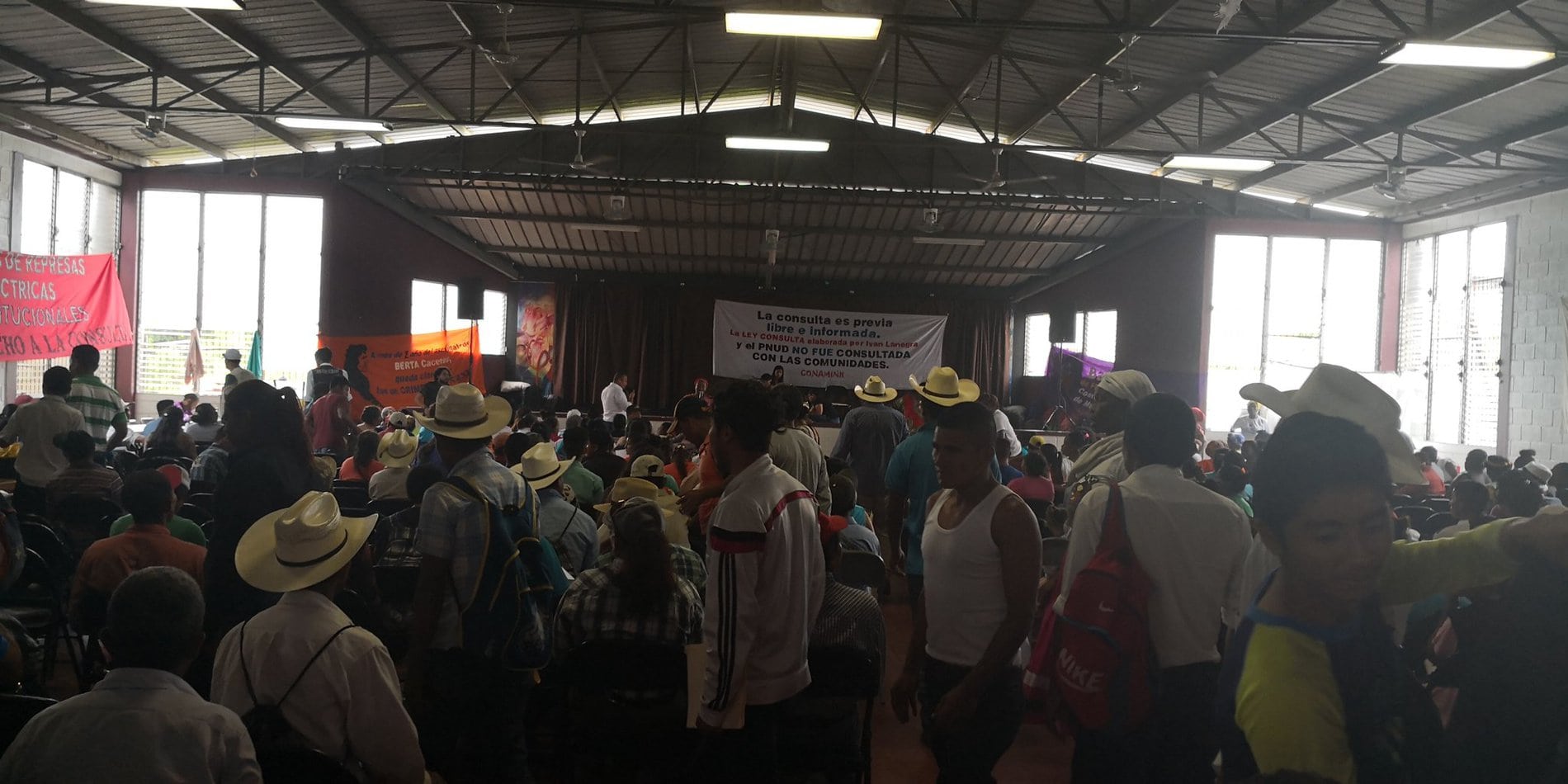
The Lenca face persistent threats linked to land dispossession, environmental degradation, and political marginalization. Large-scale hydroelectric and mining projects—often approved without free, prior, and informed consent—have led to deforestation, water contamination, and forced displacement. Activists, especially women, are frequently targeted for defending ancestral territories. The assassination of renowned environmental leader Berta Cáceres in 2016 brought global attention to the dangers faced by Lenca defenders, highlighting a broader crisis of impunity and state-backed exploitation in Indigenous territories.
Despite facing ongoing violence and dispossession, the Lenca continue to inspire through their unwavering resistance and cultural revival. Grassroots organizations led by Lenca women are revitalizing traditional farming, reclaiming Indigenous knowledge systems, and building international solidarity for environmental justice. Annual ceremonies, craftwork, and language preservation efforts sustain a vibrant cultural legacy rooted in resilience. The spirit of the Lenca endures as a powerful symbol of resistance against neoliberal extractivism and a beacon of Indigenous autonomy in Central America.