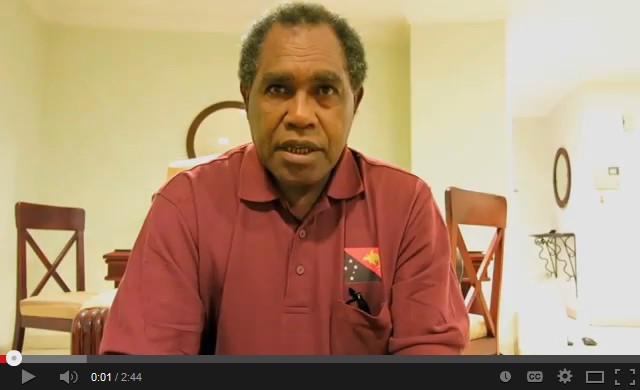
The Maisin are an Indigenous nation residing in the Oro Province of Papua New Guinea, primarily along the southwestern shores of Collingwood Bay. They subsist through a combination of swidden agriculture, fishing, and the sustainable use of rainforest resources for materials like housing and canoes. Renowned for their intricately designed bark cloth, known as tapa, the Maisin integrate traditional artistry with daily life. Their communities have long-standing educational institutions, originally established by Anglican missions in the early 20th century, contributing to widespread literacy in English, Tok Pisin, and the Maisin language.
The Maisin face significant challenges from external forces seeking to exploit their ancestral lands. In the 1990s, they opposed commercial logging operations that threatened their rainforests, successfully winning a national court case in 2002 to protect their territory. Despite this legal victory, their lands remain under pressure from logging and mining interests, leading to internal community debates over large-scale development projects. Additionally, natural disasters, such as the devastating floods in 2007, have impacted their villages, destroying gardens and undermining homes.
Demonstrating remarkable resilience, the Maisin have become international symbols of Indigenous environmental advocacy. By aligning with organizations like Greenpeace, they have promoted sustainable, community-led development initiatives that respect their cultural and ecological values. Their commitment to preserving their rainforests and traditional practices, such as tapa cloth production, showcases a harmonious balance between cultural heritage and environmental stewardship. The Maisin’s proactive stance serves as an inspiring example of how Indigenous communities can assert their rights and protect their ancestral lands.