
Last Updated on April 11, 2025
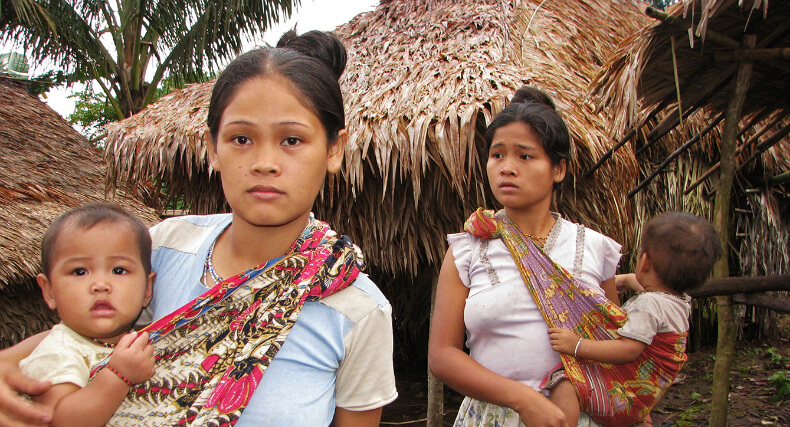
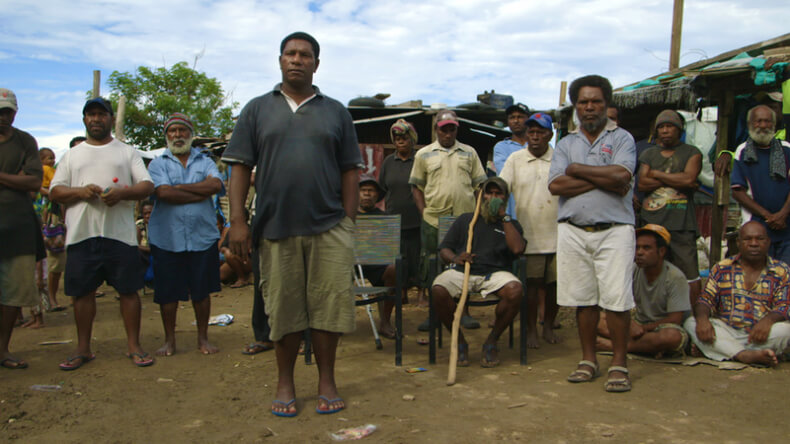
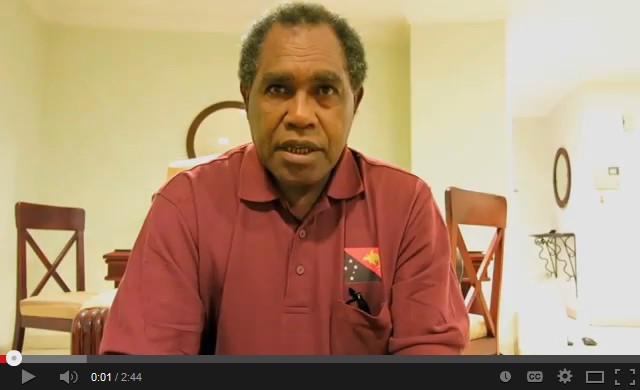
Adelbert Gangai from the Maisin tribe discusses a looming threat from a palm oil company that would destroy the subsistence way of life his people have have maintained since time immemorial.
Please sign this petition to support Adelbert and others in the Collingwood Bay community, Papua New Guinea.
You can read more from Adelbert below, courtesy of the Rainforest Action Network
My name is Adelbert Gangai. I am from the Maisin tribe and work with the nine tribes from the Collingwood Bay region of Papua New Guinea. Our culture is intrinsically entwined and our livelihoods are entirely dependent on the primary forests and pristine marine environment that surrounds us.
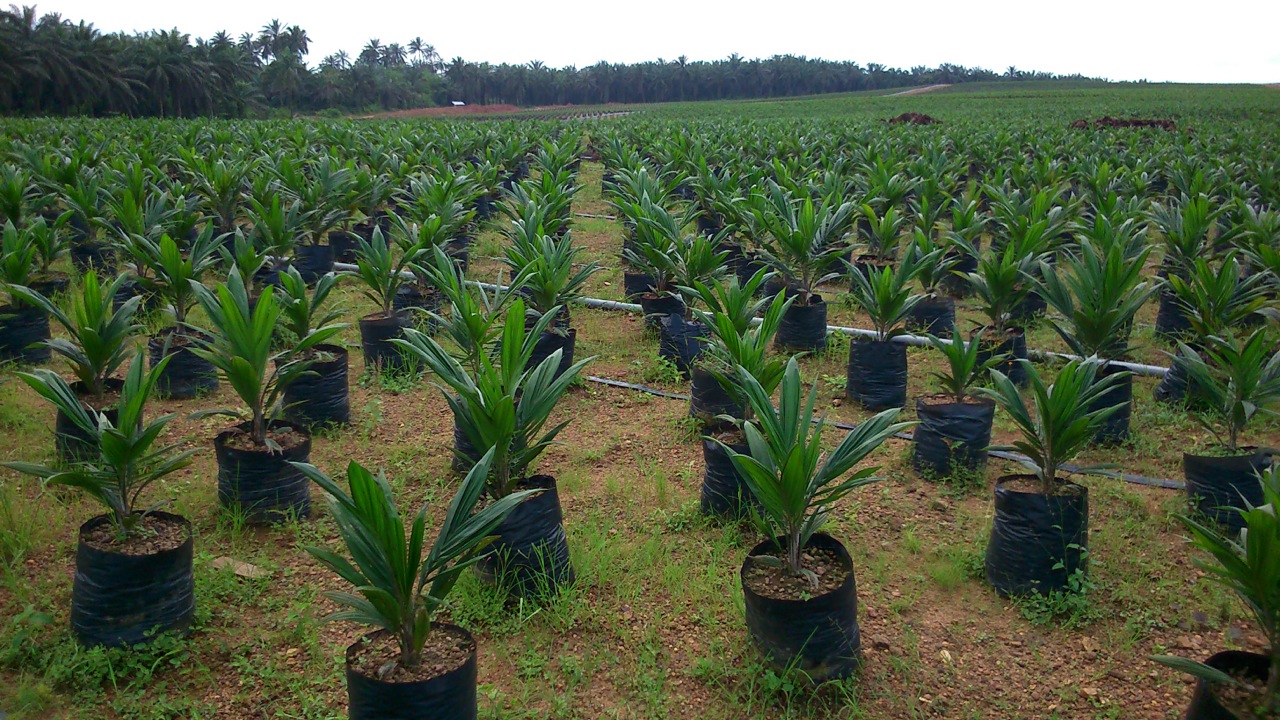
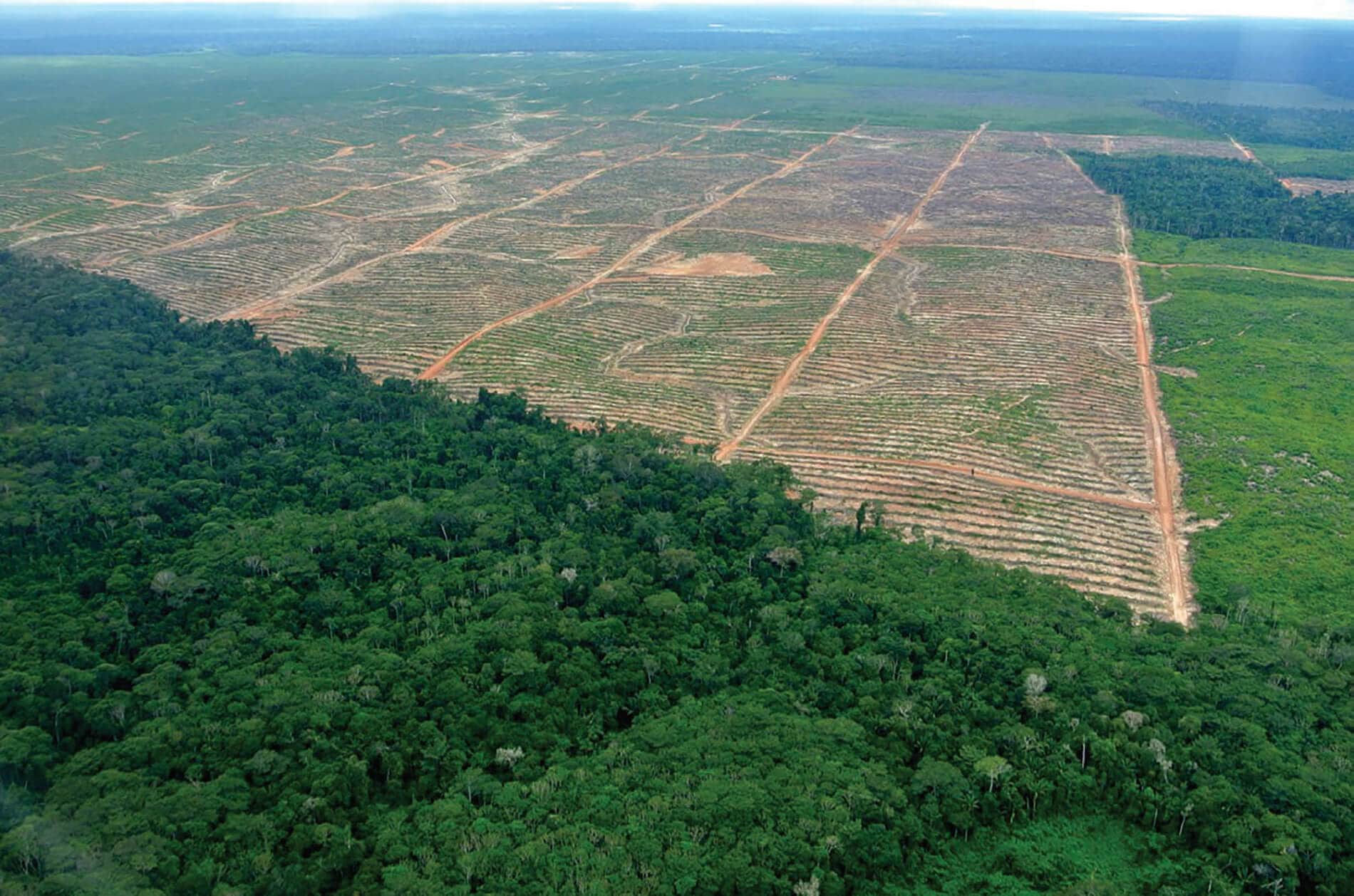
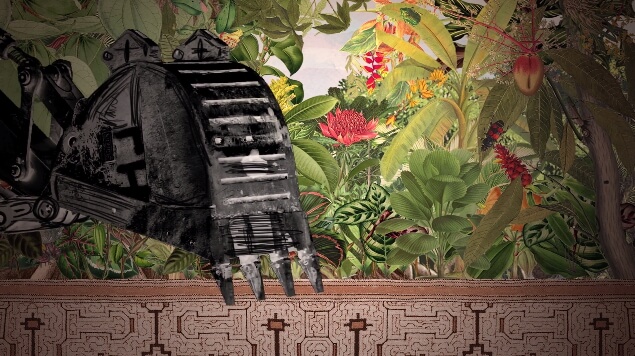
But recently there is a threat that a palm oil company called KLK will destroy the subsistence life style we have maintained since time immemorial by attempting to illegally develop over 100,000 acres of our customary lands against our will.
Our chiefs issued a rare joint communiqué in 2010 voicing the consensus of the residents of Collingwood Bay – who total over 7,000 people from 326 clans in 22 villages scattered across our coastline – that we do not wish to have palm oil plantations established on our land under any circumstances.
Will you stand with us and send a message today to KLK’s principal banker – HSBC – asking it to use its influence to urge KLK to stop these misguided plans before this controversy escalates into a full blown conflict?
[…]
We have witnessed what has happened to other communities in Papua New Guinea and around the world whose lands have been developed with oil palms. They have been marginalized and become slaves on their own land. We do not wish this for the people of Collingwood Bay.
Our communities have fought and won against multinational corporations trying to develop our lands before. With your help, we will prevail in preserving this special place once again.
Thank you so much for your support,
Adelbert Gangai
Across the world right now, Indigenous peoples are facing a renewed assault on their lands, rights, and ways of life.
From extractive industries pushing deeper into ancestral territories, to governments rolling back hard-won protections,
the threat is global—and it is growing.
What makes this moment especially dangerous is how little attention it receives.
Stories like this are disappearing in real time. Mainstream media
barely covers it and the coverage is fragmented. The public is left without the context
needed to understand what is truly at stake.
That is exactly why IC Magazine exists..
For more than 20 years, IC has reported on Indigenous struggles worldwide — consistently, independently, and without compromise.
We don’t follow news cycles; we trace patterns. We don’t sensationalize; we provide context.
And when the world looks away, we stay focused.
But this work is increasingly difficult to sustain.
We refuse to lock our reporting behind a paywall. We don’t sell access through subscriptions.
And we don’t answer to advertisers. IC Magazine survives solely because readers like you choose to
support independent Indigenous journalism.
Please donate today if you can. Every contribution helps us to continue this crucial work.
Thank you,
John Ahni Schertow
Founder and Editor in Chief